
What Makes Them Unique
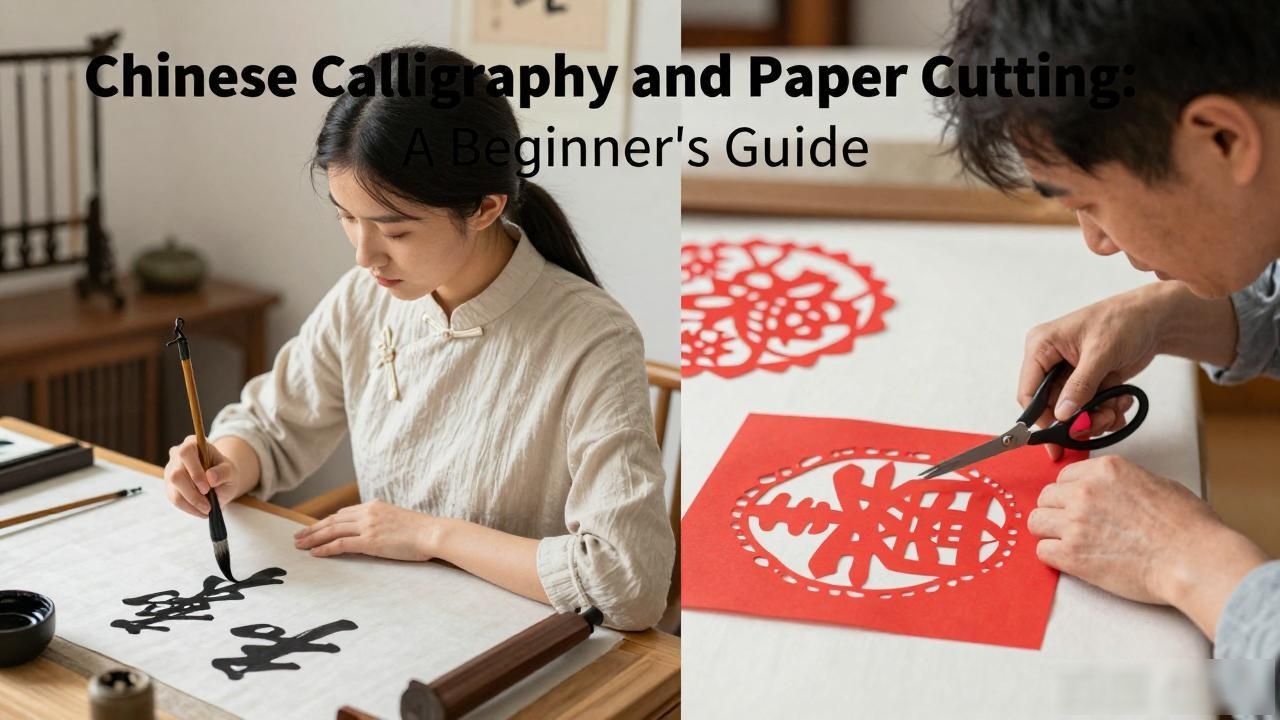
When I first encountered Chinese calligraphy in a small studio in Suzhou, I was struck by how something so simple—brush, ink, rice paper—could carry centuries of philosophy on its surface. The beauty lies not just in the finished character but in the process itself. Each stroke demands presence, breath control, and patience that few Western art forms require.
Paper cutting tells a different story. Born among ordinary people during the Tang Dynasty, these red decorations adorned windows during festivals. A single sheet of red paper, folded and cut with scissors, could transform an entire home. The most enduring pieces often come from rural grandmothers who never studied art formally, yet their work carries more cultural wisdom than many gallery installations.

What fascinates me is how these two traditions approach the same concept from opposite directions. Calligraphy builds meaning through added strokes; paper cutting creates form by removing material. Both demand an understanding of space that Western artists take centuries to grasp.
Why Learn These Traditions
Many foreigners ask whether learning calligraphy or paper cutting is worthwhile when digital tools exist. The answer lies in what these practices offer that screens cannot.
Calligraphy trains your eyes to see differently. After months of practice, you begin noticing how characters balance inside an invisible grid, how the weight of a brush stroke carries emotion, and how empty space becomes as important as ink. These observations spill into how you view everything—architecture, nature, even people.
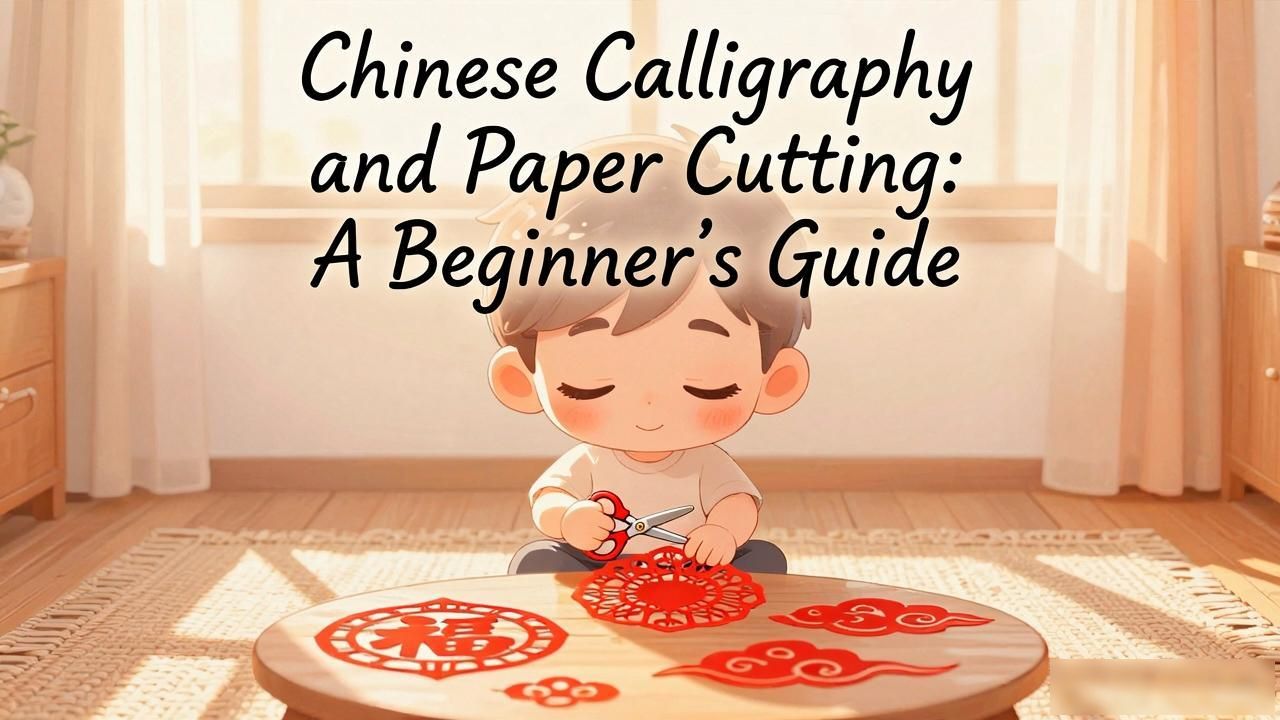
Paper cutting offers something equally valuable: the ability to slow down completely. There is no undo button when cutting paper. One wrong snip and the design collapses. This forced mindfulness mirrors meditation practices found in Buddhist traditions, making it accessible to anyone regardless of religious background.
The global community around these arts keeps growing. Online tutorials connect beginners with masters across continents. Cultural centers in major cities offer weekly workshops where mistakes are welcomed rather than judged. You will meet people from Tokyo, Berlin, New York, and Lagos all struggling with the same brush stroke or paper fold.
How They Influence Modern Art
Contemporary Chinese artists routinely merge calligraphy and paper cutting into mixed-media installations. Some stretch calligraphic gestures across building facades; others cut intricate patterns into metal sheets. These hybrid works speak to both heritage and innovation simultaneously.
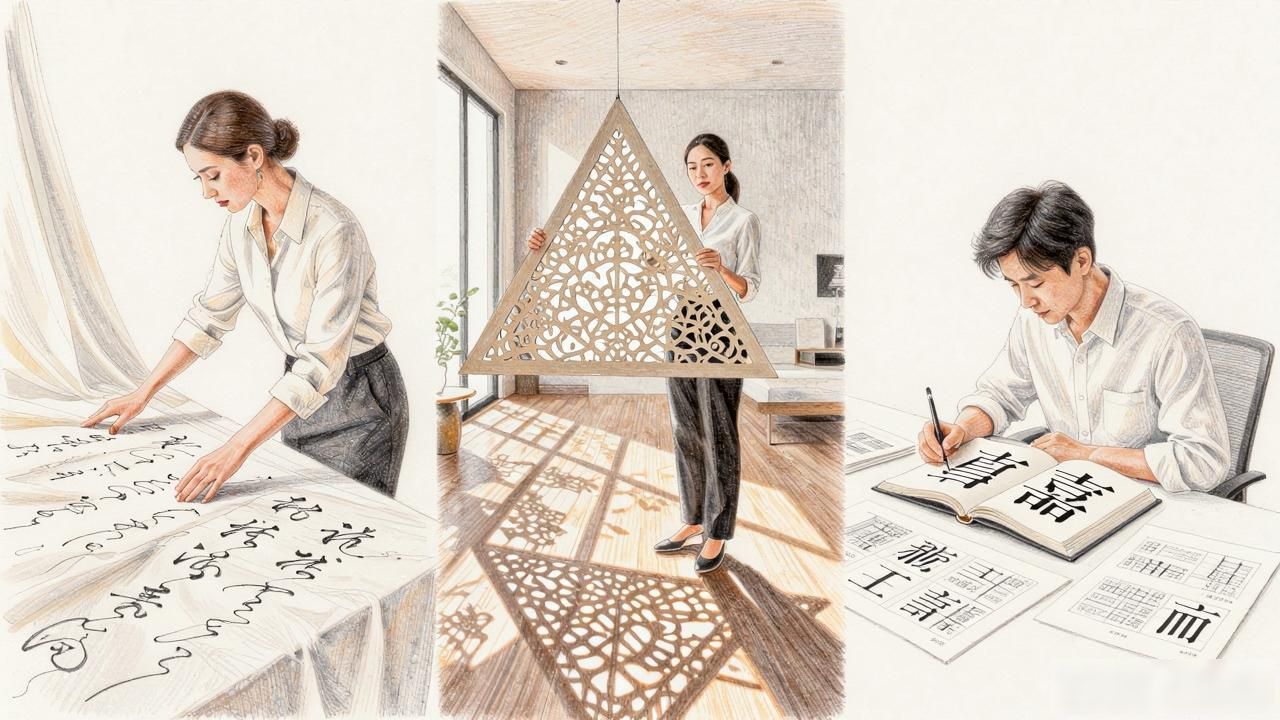
Fashion designers have adopted calligraphic flow into textile prints and embroidery patterns. Interior decorators use paper-cut motifs as light filters, casting elaborate shadows throughout rooms. Even graphic designers borrow the balance principles from character composition when creating logos.
If you want to start exploring,begin with simple exercises. Buy a basic brush set and practice writing single characters until the motion feels natural. For paper cutting, start with symmetrical designs—folding paper once or twice reduces the complexity dramatically. Visit local Chinatowns for workshops or search for community classes near you.
These traditions survived wars, revolutions, and decades of modernization. They will continue evolving as new generations find their own voice within ancient frameworks. The question is not whether these art forms matter today—it is whether you will make room for them in your life.