
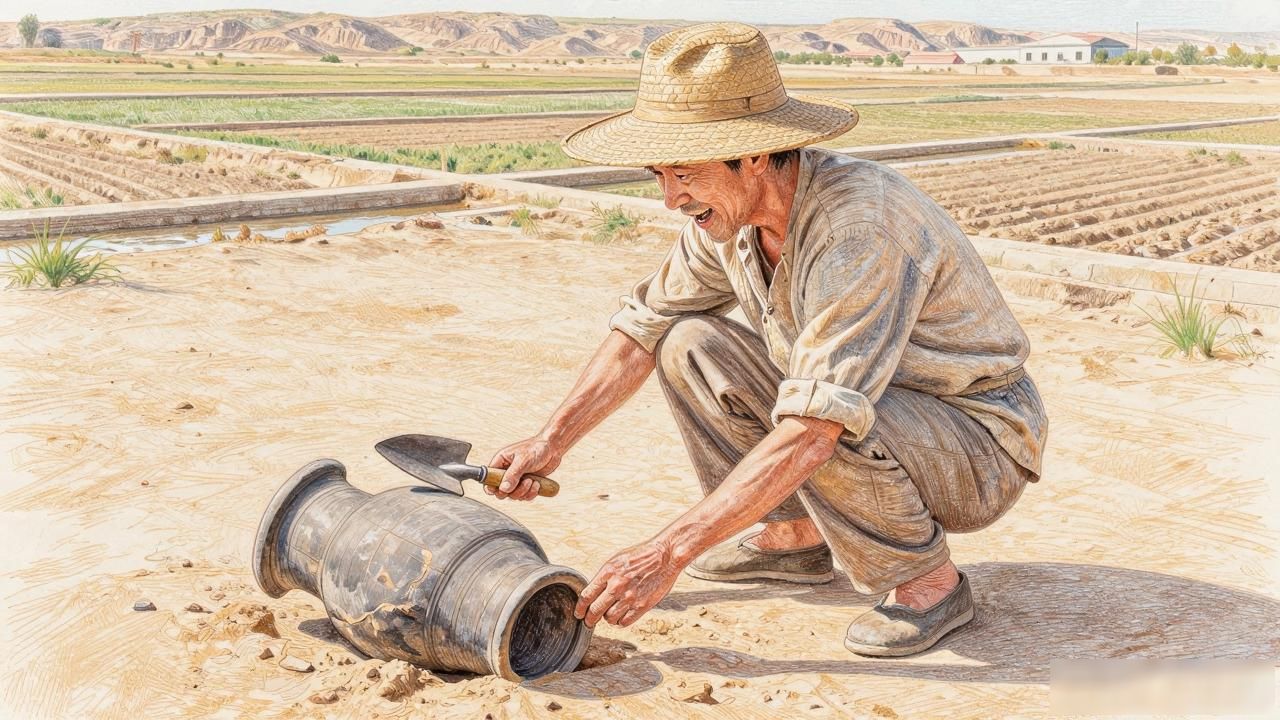
That morning in 1974, three farmers in Xi’an were digging a well when their shovels struck something hard. They thought it was a rock. It was terracotta, and within months the world would learn that beneath their field lay thousands of life-sized soldiers buried for over two millennia. What started as a broken shard became one of the greatest archaeological discoveries in human history, transforming a quiet agricultural village into a site that draws two million visitors every year.
Who Discovered the Terracotta Army
Yang Zhifa, Yang Peisen, and Yang Yizhong did not set out to make history. They were simply trying to solve a water shortage on their commune land. When locals reported strange ceramic fragments to the county cultural office, archaeologists from the Shaanxi Institute arrived and realized they were looking at something extraordinary. The find was immediately reported to Beijing, and within weeks teams from the National Cultural Heritage Administration were excavating the area. The initial discovery pit contained roughly 6,000 fragments spread across 20,000 square meters. Within a decade, three major pits had been mapped, revealing an army far larger than anyone imagined.

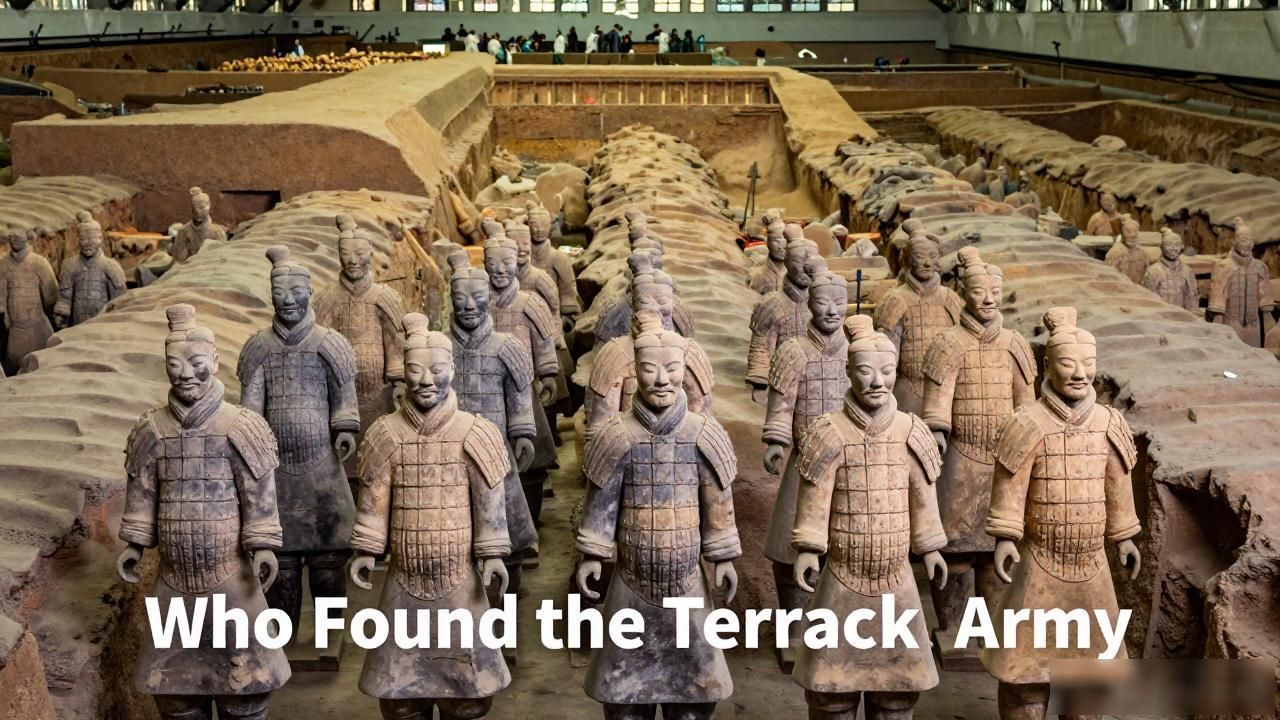
Yi Xiong, the archaeologist who spent decades at the site, once described the moment he understood what he was standing in. He stood at the edge of Pit One and looked down at rows upon rows of soldiers, each one different, each one waiting. Those were not symbolic representations. They were an actual army frozen in time, waiting for a commander who died 2,200 years before they were uncovered.
The discovery also changed Chinese archaeology forever. Before 1974, most ancient Chinese tombs had been looted or destroyed. The Terracotta Army proved that some of China’s most important heritage sites could remain intact beneath the soil. Excavation techniques developed for the pits were later applied to other major finds across the country.
How Were These Soldiers Made
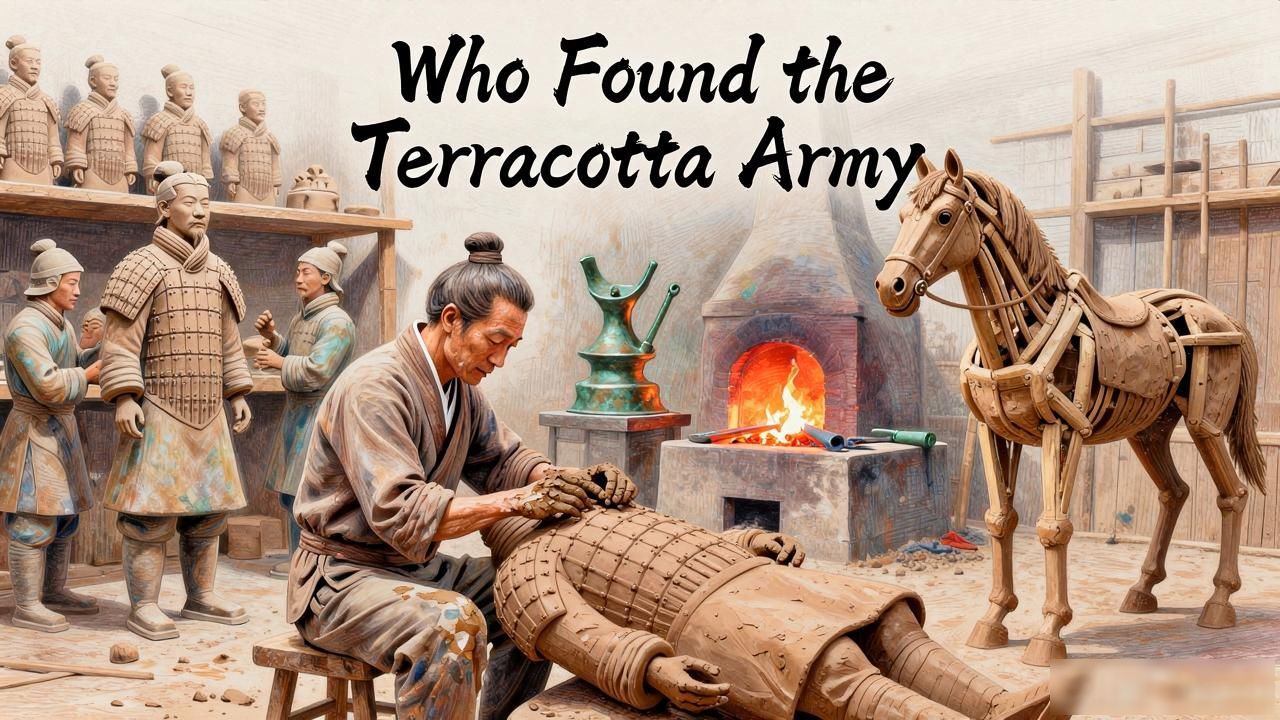
Each warrior took approximately six months to create. Artisans built a clay core by hand, then added limbs, armor, and detailed features using pre-made molds mixed with hand-sculpted elements. Weapons were cast in bronze using the lost-wax method, and horses were constructed from wood with terracotta heads and limbs attached. Most soldiers were fired at temperatures between 900 and 1,000 degrees Celsius, a remarkable achievement for that era.
The variety is staggering. Commanders, archers, infantry, and charioteers each have distinct armor, postures, and facial types. Researchers have identified dozens of face templates and hairstyles, suggesting that artisans may have worked from real models rather than imagination alone. Some scholars believe the soldiers represent the actual military formations of the Qin state, organized exactly as they would have appeared on the battlefield.
Paint originally covered every surface. Bright reds, blues, purples, and greens gave the army its striking appearance, though the pigments have largely deteriorated within seconds of exposure to dry air during excavation. Conservationists now work in humidity-controlled environments to preserve whatever color remains on the figures. Only about thirty percent of the original army has been excavated, meaning millions of warriors still sleep underground.
Why Does the Discovery Matter Today
The Terracotta Army is not merely a tourist attraction. It reveals the organizational genius of the first emperor of China and his determination to control even death itself. Qin Shi Huang unified warring states in 221 BCE and ruled until his death in 210 BCE. He believed that his power extended beyond the grave and constructed this army as his eternal guard.
Archaeological work continues today. New pits have been identified, and advanced imaging technology allows researchers to study construction methods without disturbing the site. The ongoing excavations continue to challenge and reshape our understanding of ancient Chinese warfare,craftsmanship, and belief systems.
For visitors, the experience is overwhelming. Walking through the exhibition halls and seeing thousands of eyes staring back from different directions creates an almost spiritual sensation. These are not artifacts behind glass. They are faces, and they demand to be remembered.