
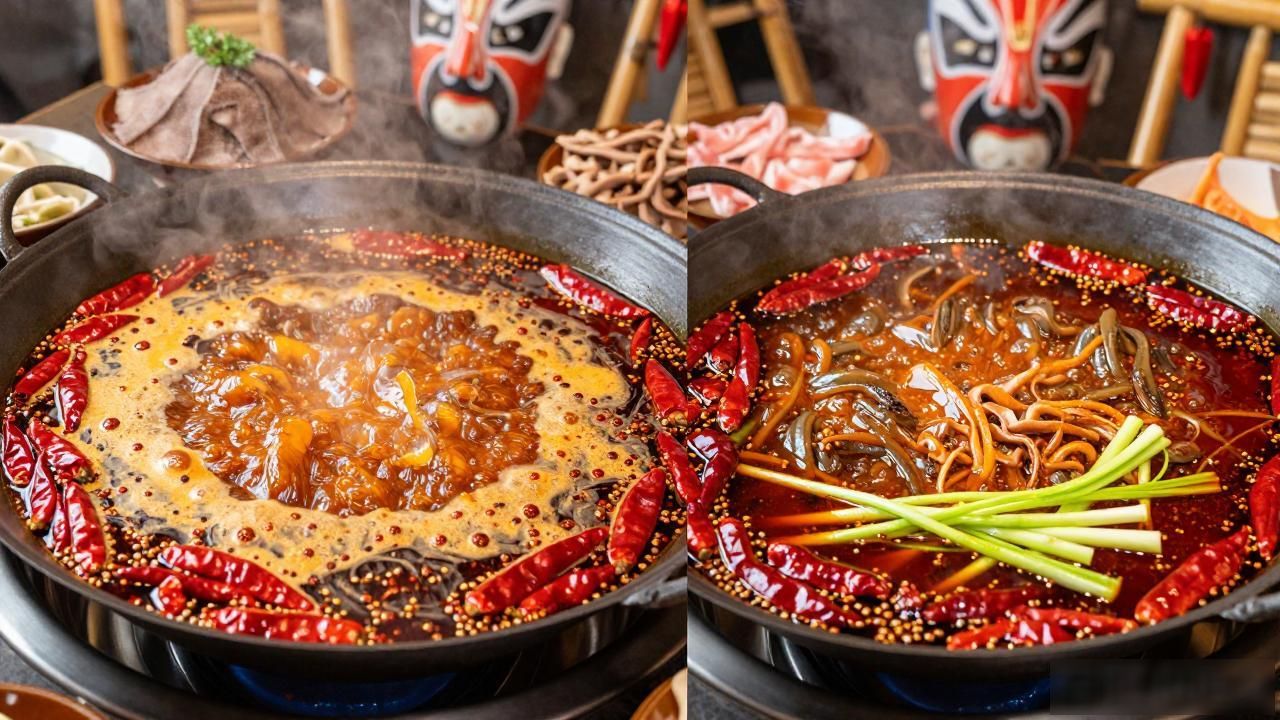
Hot pot is the soul of Sichuan and Chongqing cuisine, and choosing between these two cities can confuse even seasoned food travelers. Chengdu offers a milder, more refined experience while Chongqing delivers a bold, fiery punch that defines the original Sichuan style. Both cities have centuries of tradition behind their pots, but they diverge in flavor profiles, dining culture, and the kind of atmosphere you will find. Understanding these differences helps you decide where to go and what to expect when you sit down with a bubbling pot of broth.
Where to Eat Authentic Hot Pot in Chengdu

Chengdu hot pot restaurants range from century-old shops to modern chains, but the best spots often hide in narrow alleyways away from tourist areas. Look for places with long queues of locals during dinner hours — that is your real indicator. Jinchengwan and Shu Xiang Ge are well-known names, but the true gems are smaller establishments like Xiao Tian E and Yu Xiaoxian, where the broth simmers slowly and the ingredients are sourced daily from local markets.
The Chengdu style tends to balance heat with richness. The broth uses a combination of beef tallow, dried chilies, and Sichuan peppercorns, but the ratio leans toward a smoother, more rounded flavor. You will find options like mushroom broth or tomato broth alongside the classic spicy version, making it more approachable for visitors who are new to Sichuan spice. Dipping sauces are also more varied, with sesame paste and oyster sauce commonly available.
Chongqing Hot Pot vs Chengdu Style Differences
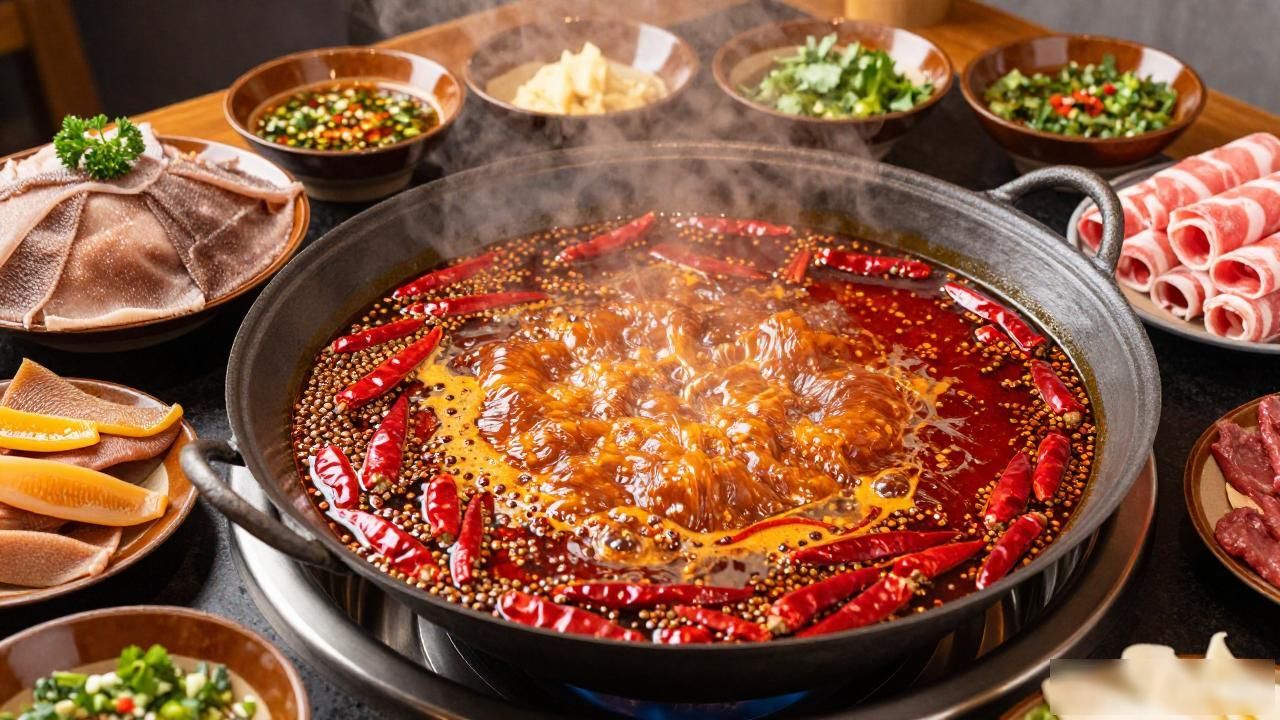
Chongqing is the birthplace of Sichuan hot pot, and the city has not forgotten its roots. The broth here is heavier on beef tallow and packed with more peppercorns and chilies. The numbing sensation from Sichuan peppercorns is far more intense in Chongqing versions, creating a tingling effect that spreads across your lips and tongue. This is not a style for the faint-hearted, but it is exactly what makes Chongqing hot pot legendary among spice lovers.
Restaurants in Chongqing tend to be more casual and lively. You will hear loud conversations, clinking glasses, and the constant bubbling of pots. Places like Ping Paopao and Zhou Boss Hot Pot attract crowds every evening, and the wait can be substantial during peak hours. The menu is simpler, focusing on offal, tripe,and duck blood — ingredients that Chengdu restaurants also serve but often prepare with a lighter touch.
How to Choose the Right Hot Pot Experience
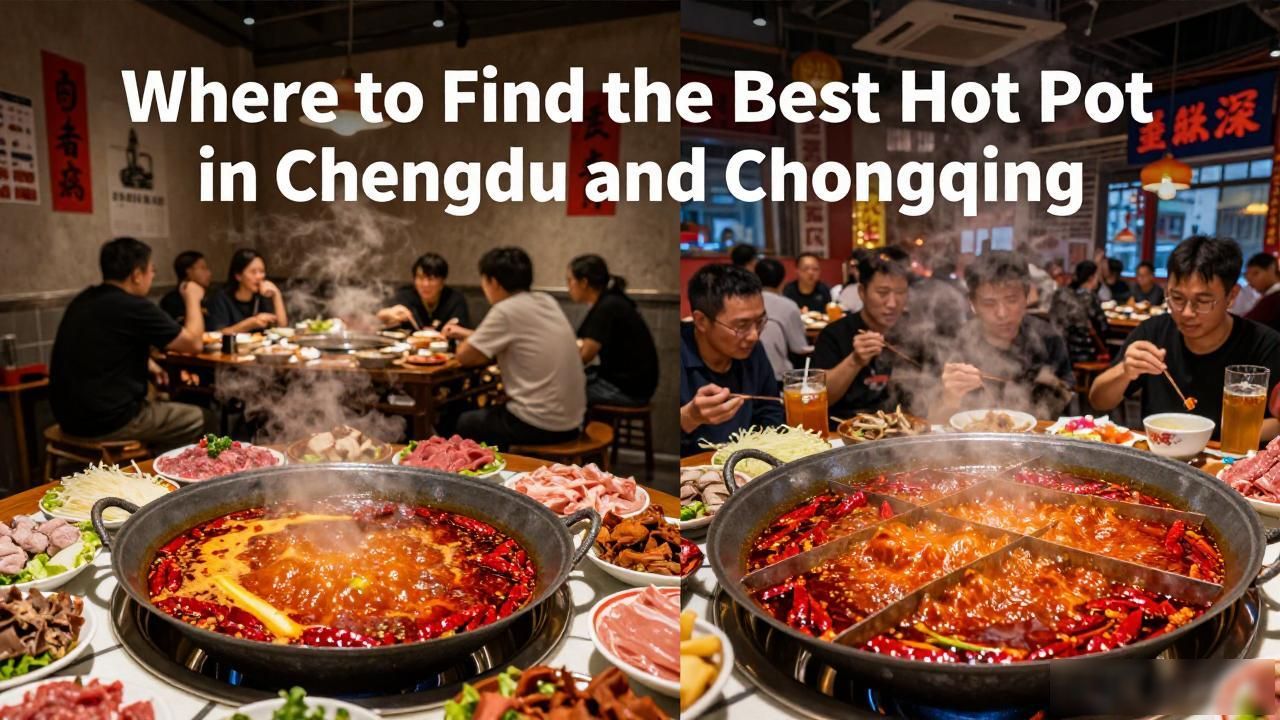
If you are visiting both cities, try the hot pot in each and compare them side by side. Chengdu gives you a gentler introduction to Sichuan flavors, while Chongqing pushes you into the deep end of authentic spice territory. Neither is better — they simply represent different philosophies of the same dish. Consider your tolerance for heat, your preference for atmosphere, and whether you want a refined meal or a rowdy, unforgettable night with friends.
The best hot pot experience in either city comes down to timing and expectation. Go during off-peak hours to avoid long waits, and do not be afraid to order the spiciest option on the menu if you are feeling brave. Ask the staff for recommendations — they know their broth better than anyone and will guide you toward the dishes that define their restaurant. Whether you end up in a Chengdu teahouse-style hot pot parlor or a Chongqing riverside stall, the pot in front of you tells a story of fire, flavor, and decades of culinary pride.