
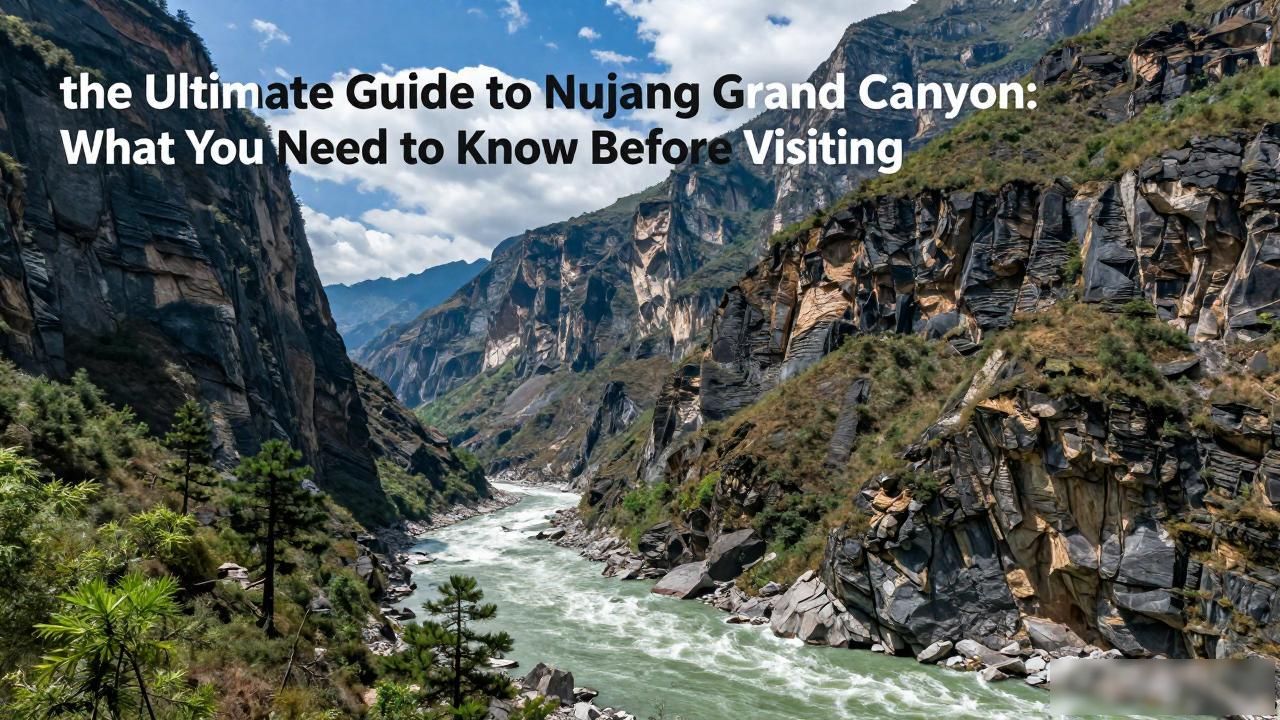
The Nujiang Grand Canyon, also known as the Lancang River Grand Canyon, sits in the remote northwest of Yunnan Province in southwestern China. This is one of the deepest and most dramatic gorges on the planet, carved by the Nu River as it plunges through the Hengduan Mountains. The canyon stretches over 50 kilometers in length, with depths reaching nearly 3,000 meters in places. It is often compared to the famous Yarlung Tsangpo Grand Canyon and even the American Grand Canyon, yet it remains far less visited and far more untouched.
For travelers seeking raw, untamed landscapes, this canyon offers something increasingly rare: a sense of discovery. The region is home to several ethnic minority groups, including the Lisu, Naxi, and Nu people, whose cultures have remained largely intact for centuries. The combination of breathtaking natural scenery and rich indigenous heritage makes Nujiang Grand Canyon a destination worth considering for anyone who has had enough of crowded tourist hotspots.
What Is Nujiang Grand Canyon Famous For

The Nujiang Grand Canyon is most famous for its sheer scale and dramatic topography. The Nu River, which originates in the Tibetan Plateau, cuts through ancient rock layers, creating steep cliffs, towering peaks, and deep valleys that disappear into mist. The canyon is part of the Three Parallel Rivers of Yunnan, a UNESCO World Heritage Site recognized in 2003. This area is one of the most biologically diverse regions on Earth, hosting over 6,000 species of plants and countless endemic animals.
What sets this canyon apart from others is its relative isolation. Unlike the more accessible Tiger Leaping Gorge, the Nujiang Grand Canyon has limited infrastructure and fewer visitors. The roads are narrow and winding, and many viewpoints require a short hike to reach. This lack of development is precisely what makes the canyon so special — it retains a wild, pristine quality that has been lost in many other tourist destinations across China.
Local guides often describe the canyon as a place where time moves differently. The river below roars continuously, but up on the cliffs, silence reigns. On clear days, you can see snow-capped peaks rising above the cloud layer, creating a surreal contrast between the dark gorge floor and the gleaming mountain tops far above.
How to Visit Nujiang Grand Canyon
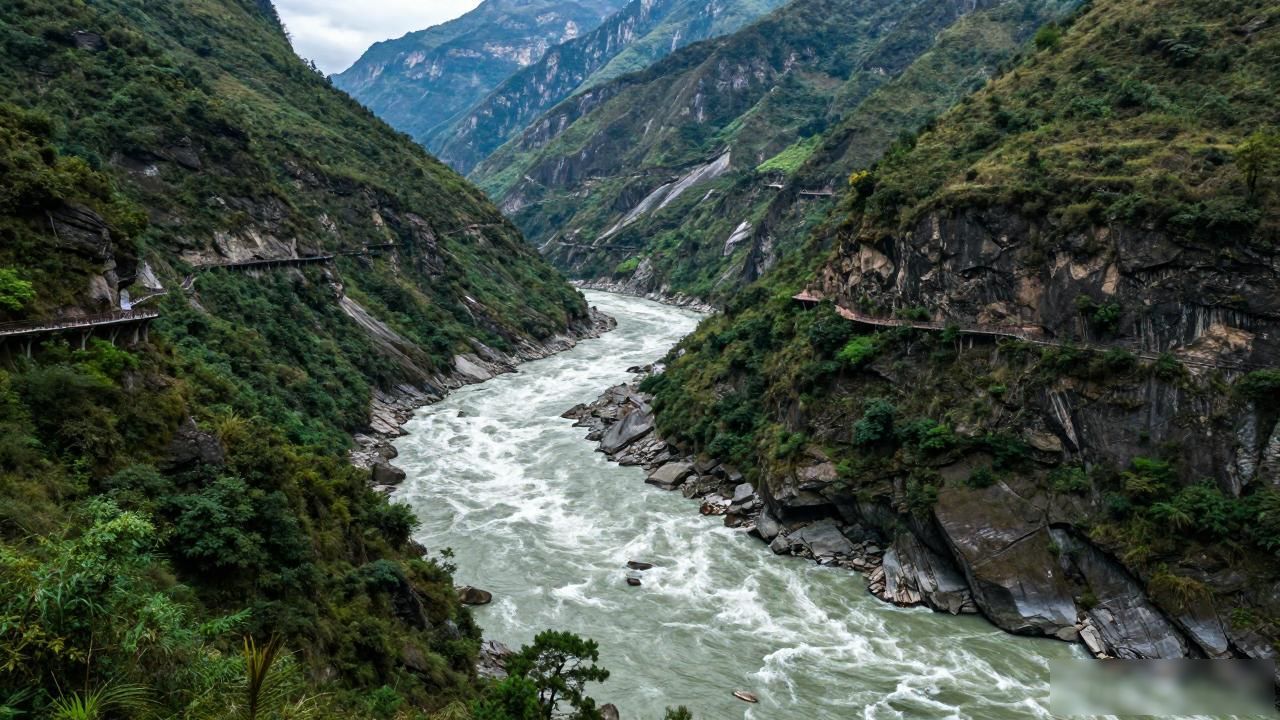
Reaching the Nujiang Grand Canyon requires some effort, and that is part of its appeal. Most travelers start from Lijiang or Shangri-La, both of which have good transportation links. From Lijiang,you can take a bus or hire a private car to go north toward the Nu River valley. The journey itself is an experience, passing through small towns, terraced fields, and mountain passes that offer glimpses of the canyon below.
Accommodation options are limited but improving. There are a few guesthouses and small hotels in the nearby town of Gongshan, which serves as the main base for exploring the canyon. It is highly recommended to stay at least two nights to fully experience the area, as the best views often appear at sunrise and sunset when the light paints the canyon walls in shades of gold, red, and purple.
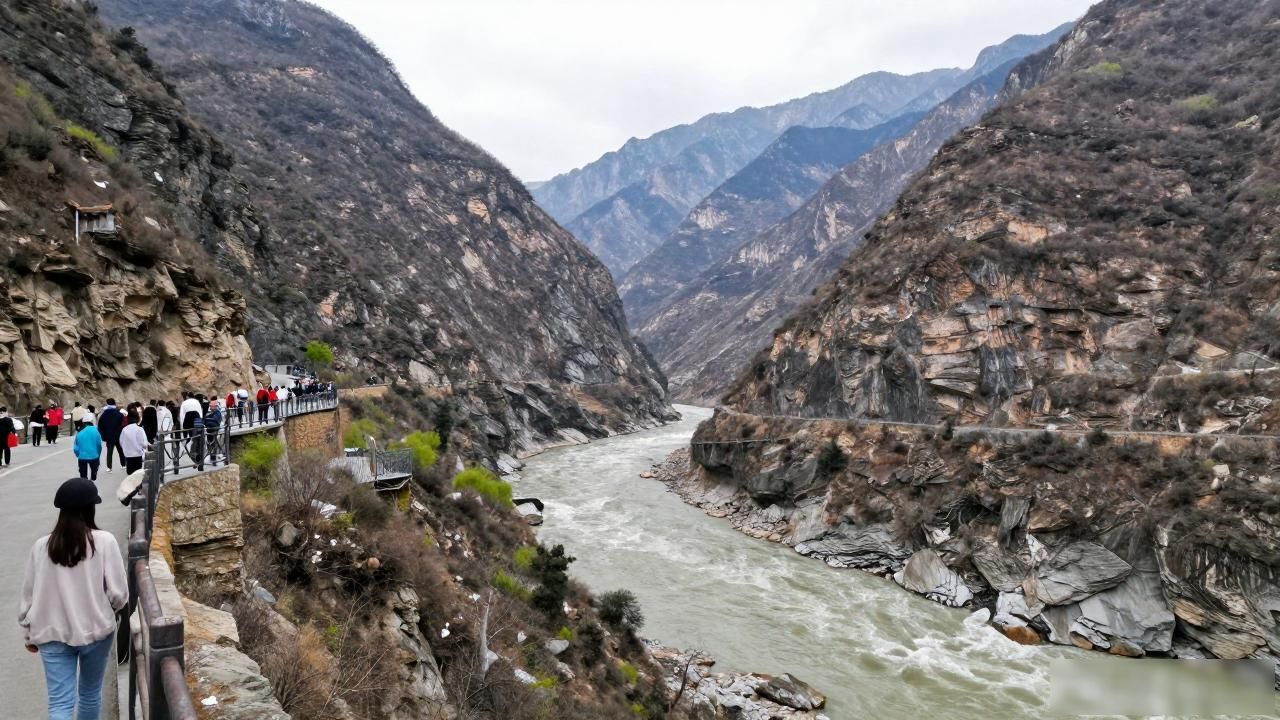
The best time to visit is between April and October, when the weather is relatively mild and the roads are accessible. Winter months can bring snow and road closures, especially at higher elevations. Travelers should be prepared for altitude, as many viewpoints sit above 2,000 meters. Light layers, sturdy walking shoes, and a basic understanding of local customs will go a long way toward making the trip comfortable and respectful.
The Nujiang Grand Canyon is not a destination for those seeking luxury or convenience. It is a place for travelers who value authenticity over comfort, who want to witness landscapes that have shaped civilizations and continue to inspire awe. For the right kind of explorer, it remains one of the last great wildernesses in China.