
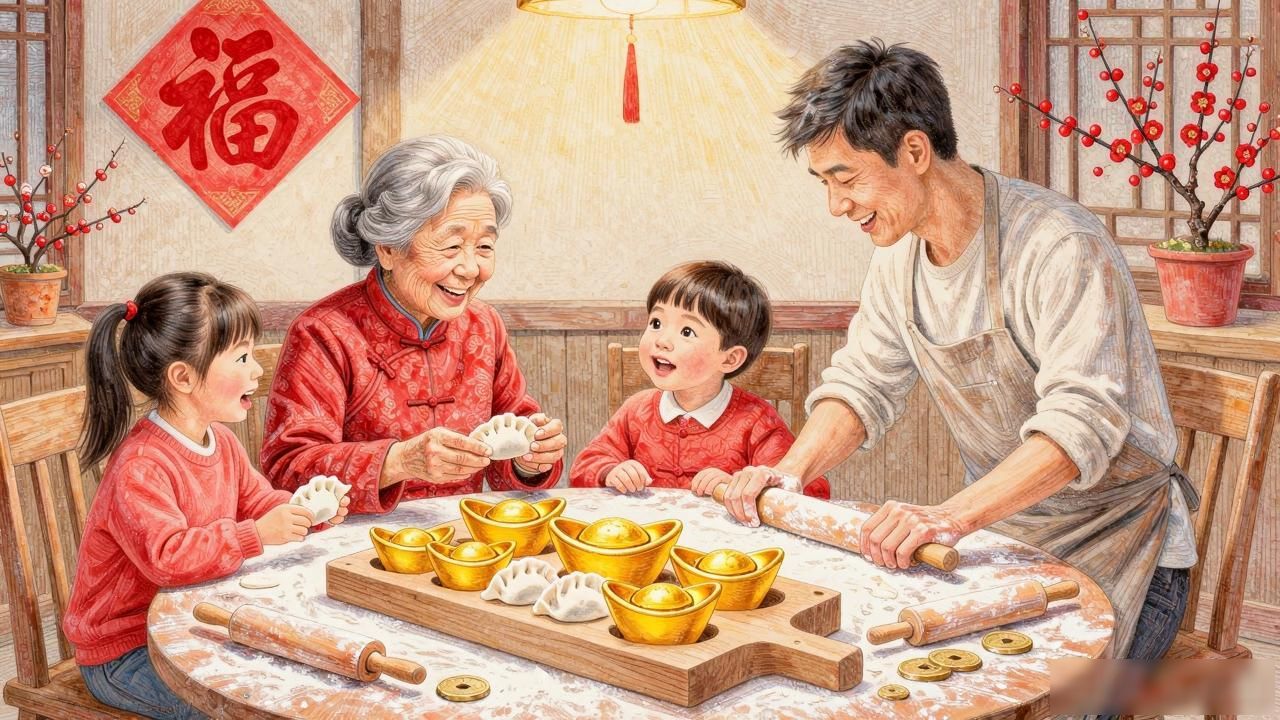
When I first experienced Chinese New Year in Guangzhou, I was overwhelmed by the sheer variety of dishes on every family table. The aromas alone could fill a whole city block. Over the years, I’ve come to understand that Chinese New Year food is far more than just a feast—it’s a language of wishes, a bridge between generations, and a delicious way to honor centuries of tradition.
What are the most popular Chinese New Year foods
Fish is absolutely essential at a Chinese New Year dinner. The word for fish in Chinese sounds like the word for surplus,so eating it symbolizes having more than enough in the coming year. My Chinese friend Mrs. Lin always says, “No fish means the year starts with nothing.” The fish is usually steamed whole, kept intact to represent completeness and family unity.

Dumplings are another must-have, especially in northern China. Their shape resembles ancient gold ingots, making them a symbol of wealth and prosperity. Families gather together to wrap dumplings, turning the preparation into a social event where stories are shared and bonds are strengthened. The act of making them together matters just as much as eating them.
Tangyuan, sticky rice balls filled with sweet sesame or peanut paste, represent family togetherness. Their round shape mirrors the concept of reunion that lies at the heart of the festival. I remember my first time eating them—the soft, chewy texture with the warm, flowing filling was unlike anything I had ever tasted before.
Why do these foods carry special meanings
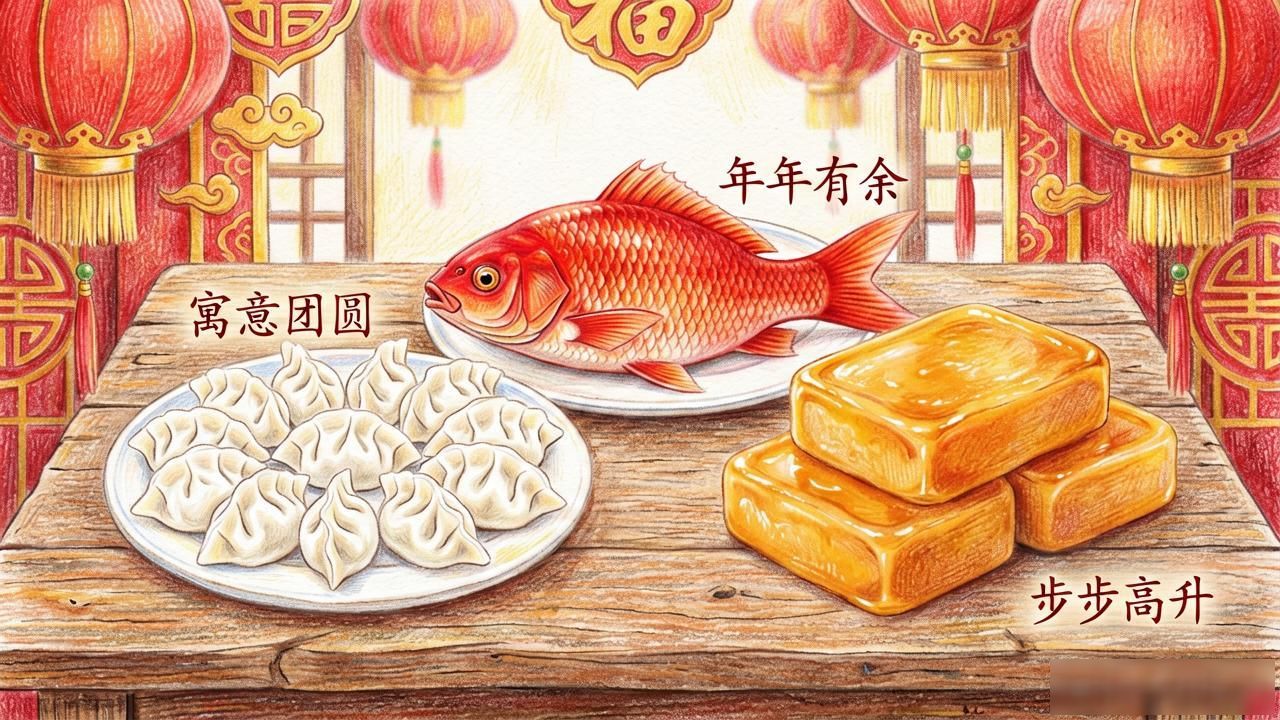
Chinese New Year food traditions are deeply rooted in linguistic plays and cultural symbolism. Many foods are chosen because their names sound like words representing good fortune. This tradition dates back hundreds of years and remains incredibly vibrant today.
The color red appears everywhere during the festival—in lanterns, envelopes, and even food packaging. Red symbolizes luck and joy, which is why red-dyed eggs and red packet cakes are common treats. These visual elements work together with taste to create a complete sensory experience of celebration.
Regional differences make Chinese New Year cuisine incredibly diverse. While northerners focus on dumplings, southerners prefer rice cakes and spring rolls. Each region has its own specialties that reflect local ingredients and customs, yet all share the common goal of bringing good wishes for the year ahead.
How modern celebrations have changed food traditions
Younger generations in China are adapting these traditions to fit modern lifestyles. Many young professionals order pre-made festival meals from restaurants instead of spending hours cooking. This shift doesn’t diminish the cultural significance—it simply reflects how people balance tradition with contemporary demands.
International exposure has also influenced Chinese New Year celebrations abroad. Chinese communities in New York, London, and Sydney now serve fusion dishes alongside traditional ones, creating unique culinary experiences that blend cultures. These innovations keep traditions alive while making them accessible to new audiences.
Despite these changes, the core purpose remains unchanged. Whether it’s a elaborate multi-course meal in a grandmother’s kitchen or a simple dumpling dinner ordered from a local restaurant, the food continues to carry messages of hope, prosperity, and family connection that define this most important Chinese festival.