
The Great Wall of China stands as one of humanity’s most staggering engineering achievements, stretching over thirteen thousand miles across mountains, deserts, and plateaus. Its construction spanned nearly two thousand years, involving countless dynasties and millions of workers. Understanding how this monumental structure was built reveals not only ancient Chinese engineering brilliance but also the political, military, and social forces that shaped one of the world’s most iconic landmarks.
How Was the Great Wall Built
The construction methods varied dramatically depending on the dynasty, the terrain, and the materials available. During the Qin Dynasty under Emperor Qin Shi Huang, the earliest sections were built primarily using rammed earth techniques. Workers would pack layers of soil, gravel, and straw between wooden frames, then remove the frames to leave behind solid walls. This method was labor-intensive but effective in the loess-rich regions of northern China.

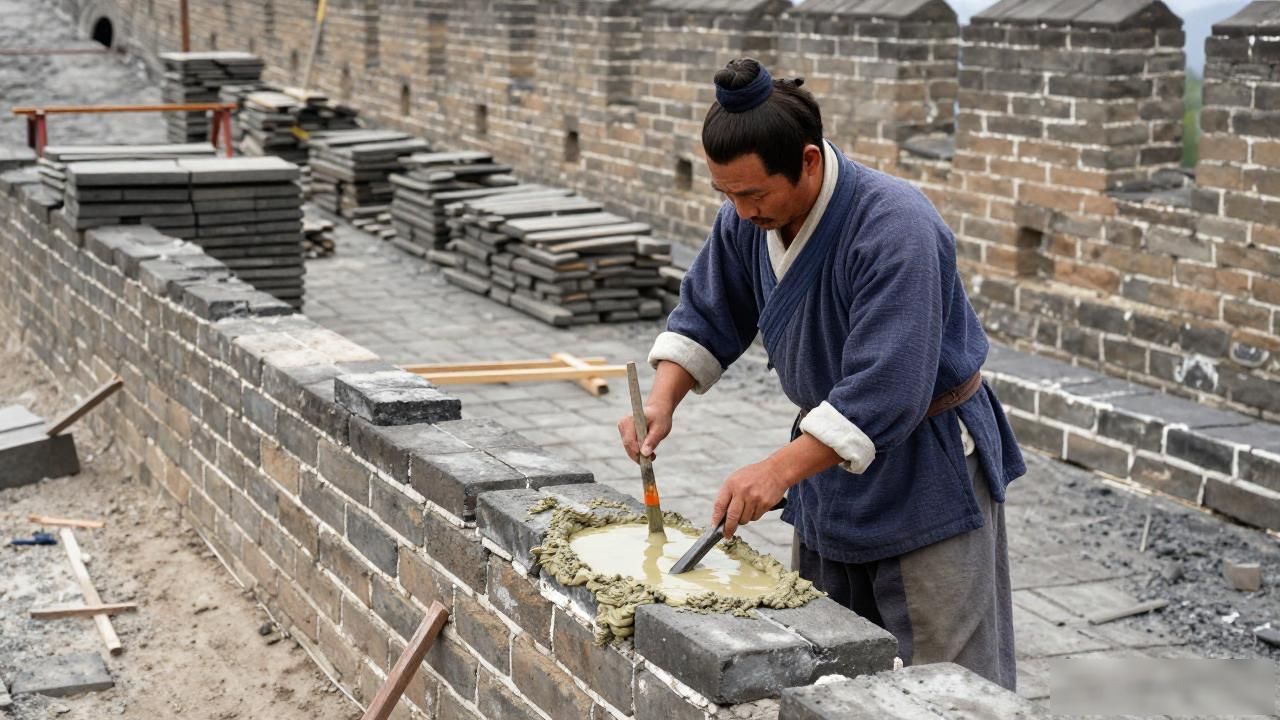
Later dynasties, particularly the Ming, revolutionized Great Wall construction by introducing brick and stone. The Ming builders developed sophisticated mortar recipes using sticky rice soup mixed with slaked lime, creating a binding agent stronger than anything previously seen in military architecture. This innovative mortar allowed the walls to withstand centuries of erosion and earthquake damage. The transition from earth to brick transformed the Wall from a simple barrier into a fortified system of watchtowers, beacon towers, and garrison stations.
Construction crews faced extraordinary challenges. In mountainous regions, workers carried stones up steep slopes using nothing but their backs and simple pulley systems. In the Gobi Desert, where stone was scarce, builders returned to rammed earth techniques but reinforced them with layers of willow branches and gravel to prevent wind erosion. The adaptability of Chinese engineers to diverse environments remains one of the most impressive aspects of Great Wall construction.
Why Was the Great Wall Constructed
The primary purpose of the Wall was military defense against nomadic invasions from the north. Xiongnu, Mongol, and later Manchu forces repeatedly threatened Chinese agricultural settlements, and the Wall served as both a physical barrier and a rapid communication network. Beacon towers positioned along the Wall allowed soldiers to send smoke signals by day and fire signals by night, warning of approaching enemies across hundreds of miles in a matter of hours.
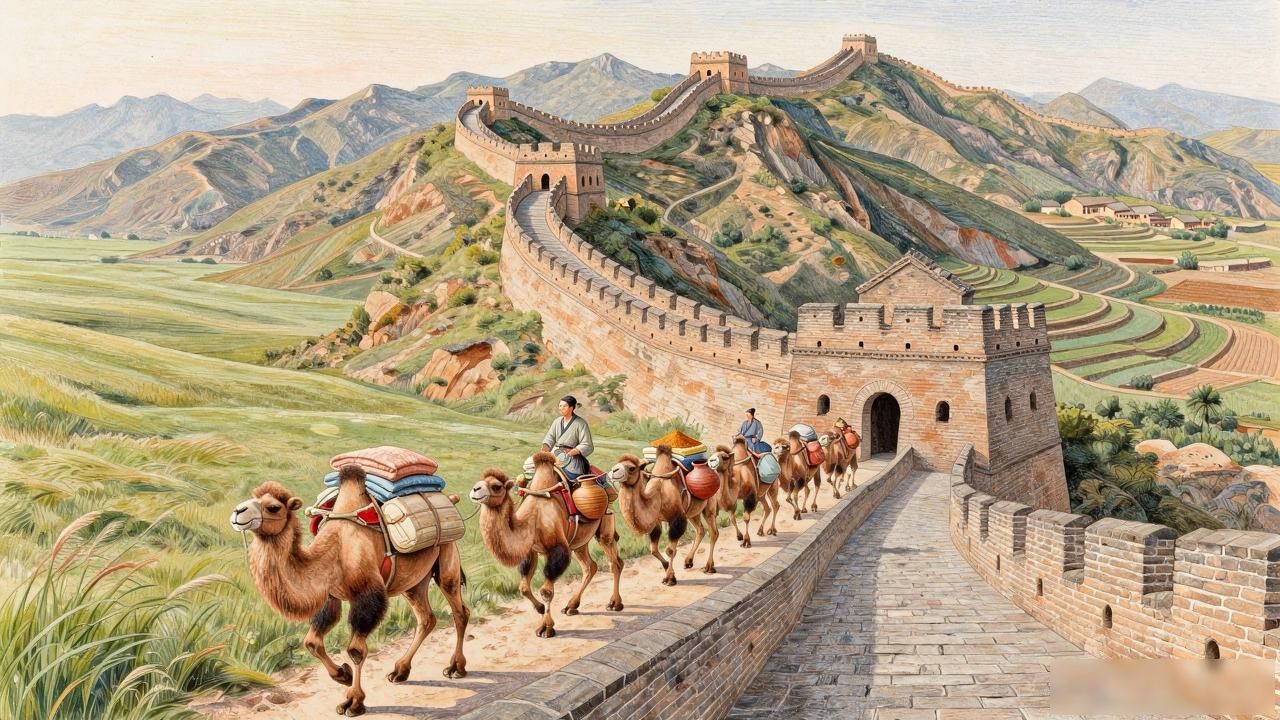
Beyond military function, the Wall served economic and political purposes. It controlled trade routes along the Silk Road, allowing dynasties to regulate commerce and collect tariffs. The Wall also functioned as a psychological boundary between the settled Chinese civilization and the nomadic steppes, reinforcing the cultural distinction that Chinese rulers sought to maintain.
The human cost of construction was staggering. Historical records suggest that millions of soldiers, peasants, and prisoners perished during the building process. Some sections were constructed so rapidly and carelessly that workers were buried within the walls themselves. This grim reality has earned the Great Wall the sorrowful nickname “the longest cemetery on Earth” among Chinese historians.
What Materials Were Used in Great Wall Construction
Materials depended heavily on regional availability. In the central sections near Beijing, massive granite blocks and yellow bricks formed the outer shell, with compacted earth and rubble filling the interior. These brick-and-stone sections represent the best-preserved portions of the Wall and are what most tourists encounter today. The precision of Ming Dynasty brickwork is remarkable, with some stones fitting together so tightly that a blade cannot pass between them.
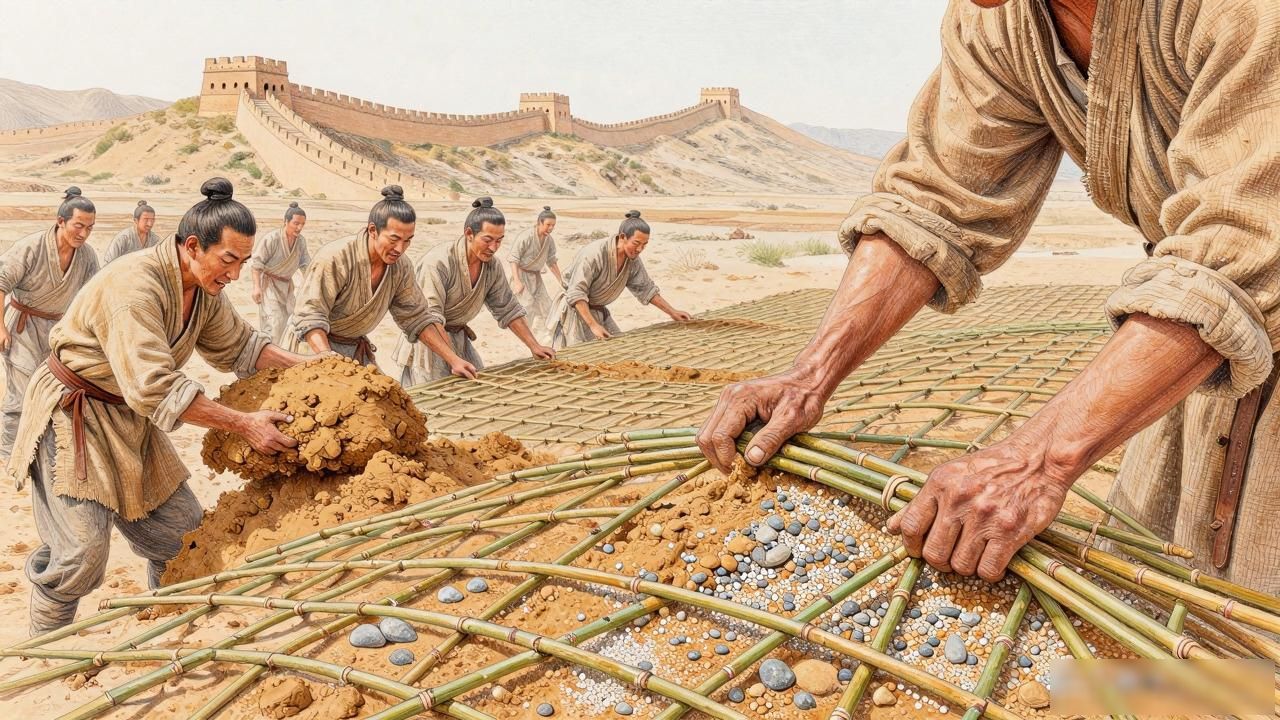
In western regions, where stone quarries were distant, builders relied on compressed earth, sand, and gravel mixed with tamarisk branches for reinforcement. The Dunhuang section, for example, uses a unique technique of layering willow twigs with sand and gravel, creating a flexible structure that resists seismic activity better than rigid stone walls ever could.
Iron nails, wooden beams, and metal fittings were used extensively in watchtower construction. The Ming military also developed specialized defensive features including arrow slits, gun ports, and rolling stone mechanisms designed to injure climbers. These engineering details demonstrate that Great Wall construction was not merely about building a wall but about creating an integrated defensive system.
The Great Wall’s construction story is one of human determination, technological innovation,and brutal sacrifice. From rammed earth foundations to brick-and-stone fortifications, each dynasty left its mark on this extraordinary structure. Today, the Wall stands not only as a testament to ancient Chinese engineering but as a powerful symbol of the lengths to which civilizations will go to protect their way of life.