
I have spent over a decade traveling across China, and let me tell you something — these festivals are not just dates on a calendar. They are living, breathing expressions of culture that connect ordinary people to centuries of history. If you have ever wondered why Chinese people get so emotional during certain times of the year, or why restaurants close for weeks only to reopen with fireworks and music, you are asking the right questions.
Why Are Traditional Chinese Festivals So Important in China

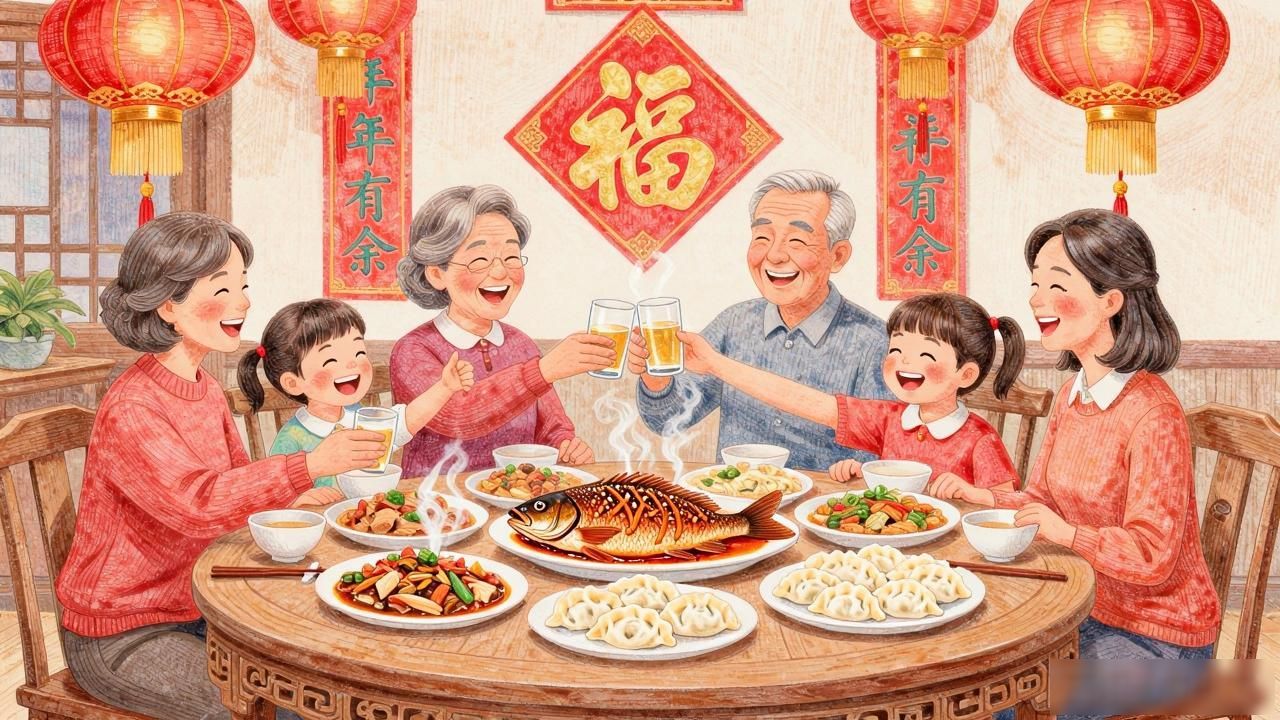
Spring Festival, also known as Chinese New Year, is the biggest celebration in the Chinese calendar. It falls between late January and mid-February, depending on the lunar cycle. Families travel hundreds or even thousands of miles to reunite for a single dinner on New Year’s Eve. The tradition of giving red envelopes filled with money to children dates back over two thousand years. Streets come alive with dragon dances, lion performances, and fireworks lighting up the night sky. The festival officially ends with the Lantern Festival, where people solve riddles written on colorful paper lanterns and eat sweet glutinous rice balls called tangyuan.
Qingming Festival, or Tomb-Sweeping Day, occurs around April 4th or 5th each year. It is a time when families visit the graves of their ancestors, clean the tombstones, and offer food and incense as a sign of respect. But it is not only somber. People also take spring outings during this period,enjoying the blooming flowers and fresh greenery. This beautiful contrast between honoring the dead and celebrating life is something uniquely Chinese.
What Are the Unique Customs Behind Each Traditional Chinese Festival
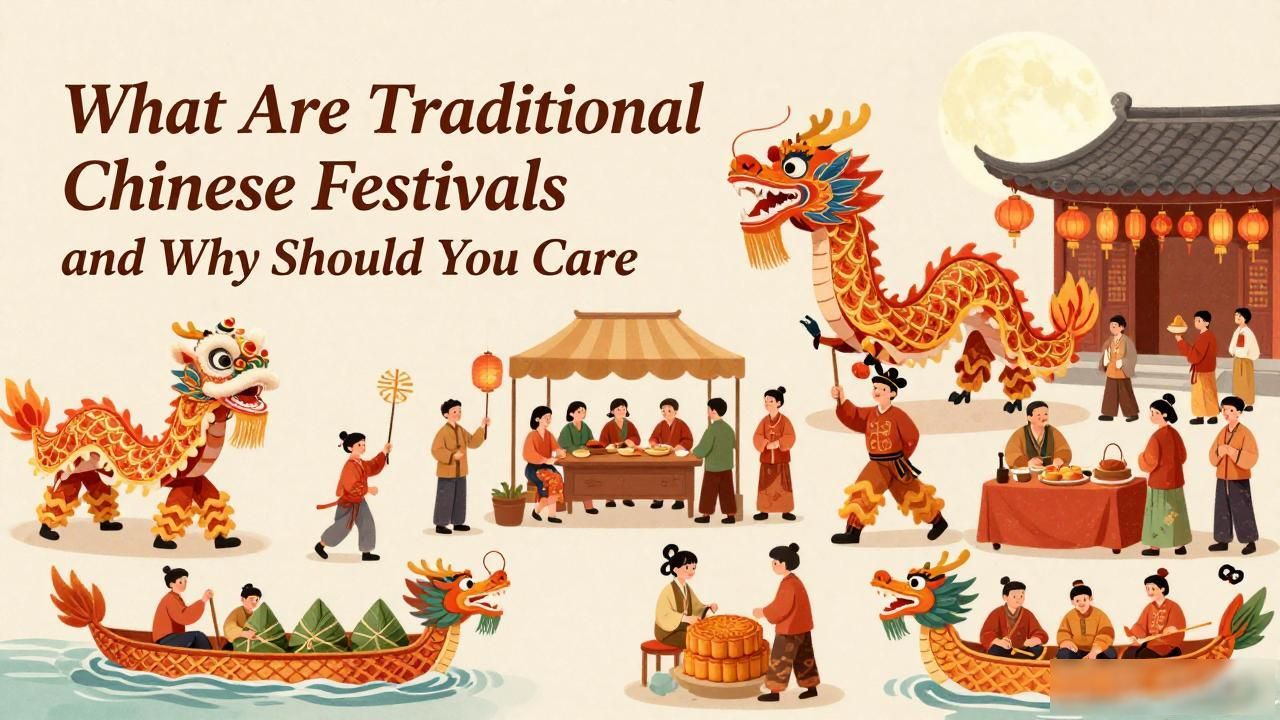
Dragon Boat Festival takes place on the fifth day of the fifth lunar month, usually in June. It commemorates the ancient poet Qu Yuan, who drowned himself in the Miluo River to protest corruption. People race colorful dragon-shaped boats across rivers and lakes while eating zongzi — sticky rice wrapped in bamboo leaves. The rhythmic drumming and cheering crowds create an atmosphere of intense energy and community pride that visitors rarely forget.
Mid-Autumn Festival happens on the fifteenth day of the eighth lunar month when the moon is at its fullest and brightest. Families gather to share mooncakes, which come in many regional varieties with fillings ranging from lotus seed paste to salted egg yolk. Children carry glowing lanterns made of paper or plastic while adults gaze at the moon and tell stories about Chang’e, the goddess who lives on the moon. It is one of the most romantic and peaceful festivals in the Chinese calendar.
These traditional Chinese festivals reveal something profound about Chinese culture — the deep value placed on family, remembrance, and harmony with nature. Whether you are a traveler, a student, or simply curious about Chinese culture, attending or learning about these festivals will give you a window into the heart of China that no textbook can provide.