
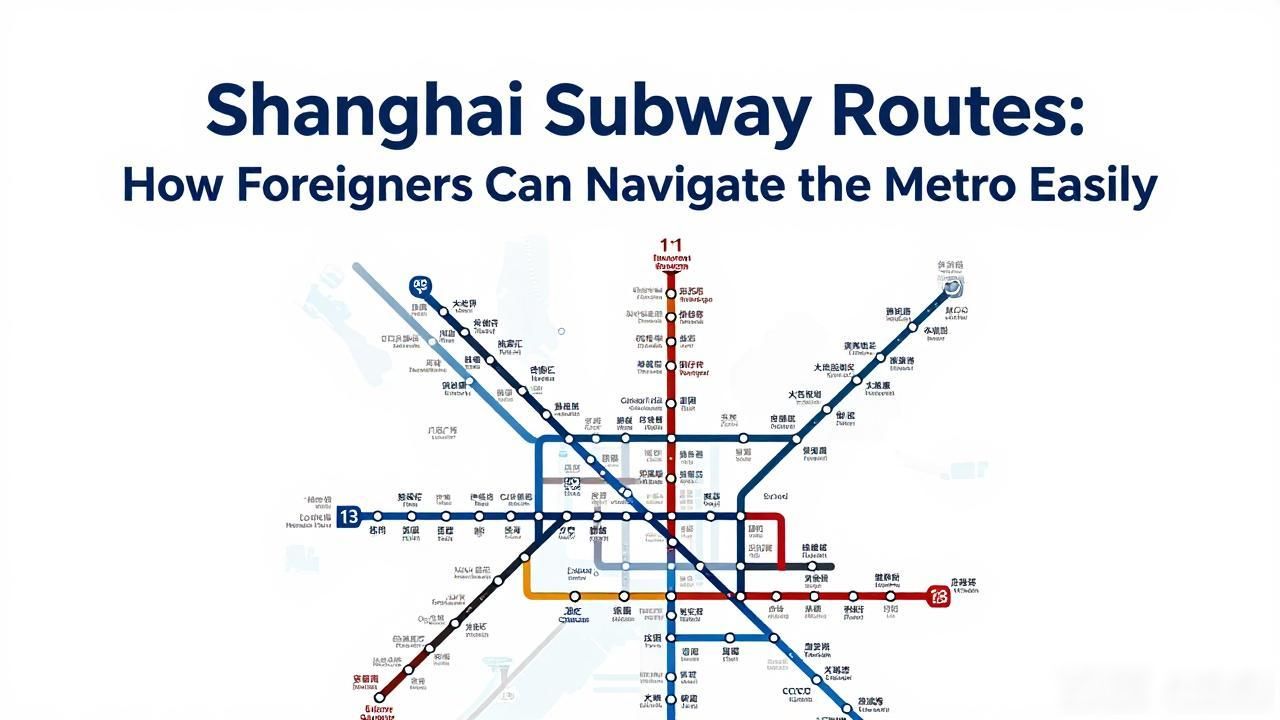
Shanghai’s metro system is one of the most extensive in the world, and for visitors, it can feel overwhelming at first glance. With over 20 lines crisscrossing the city, it’s easy to get confused. But once you understand the basic layout, navigating the system becomes second nature.
Shanghai Metro Lines Overview
The backbone of Shanghai’s transit network consists of several key lines that most visitors will encounter. Line 1 runs north-south through the heart of the city,connecting Shanghai Railway Station to South Railway Station. Line 2 is arguably the most important for tourists, stretching from Hongqiao Airport through People’s Square and陆家嘴 to Pudong Airport. Line 10 is a favorite among visitors because it passes near the Yu Garden, Xintiandi, and the French Concession.

Lines 11 and 13 round out the essential network for most travelers. Line 11 extends far to the west and northwest, reaching the Disney Resort area. Line 13 cuts diagonally across the city center and connects to the Great World and Huangpi Road areas.
How to Use Shanghai Subway Routes
Getting around requires understanding just a few practical details. The Shanghai Metro app and Metro Daduhui are the most useful tools for planning trips. Both apps support English and show real-time route information, transfer points, and estimated travel times.
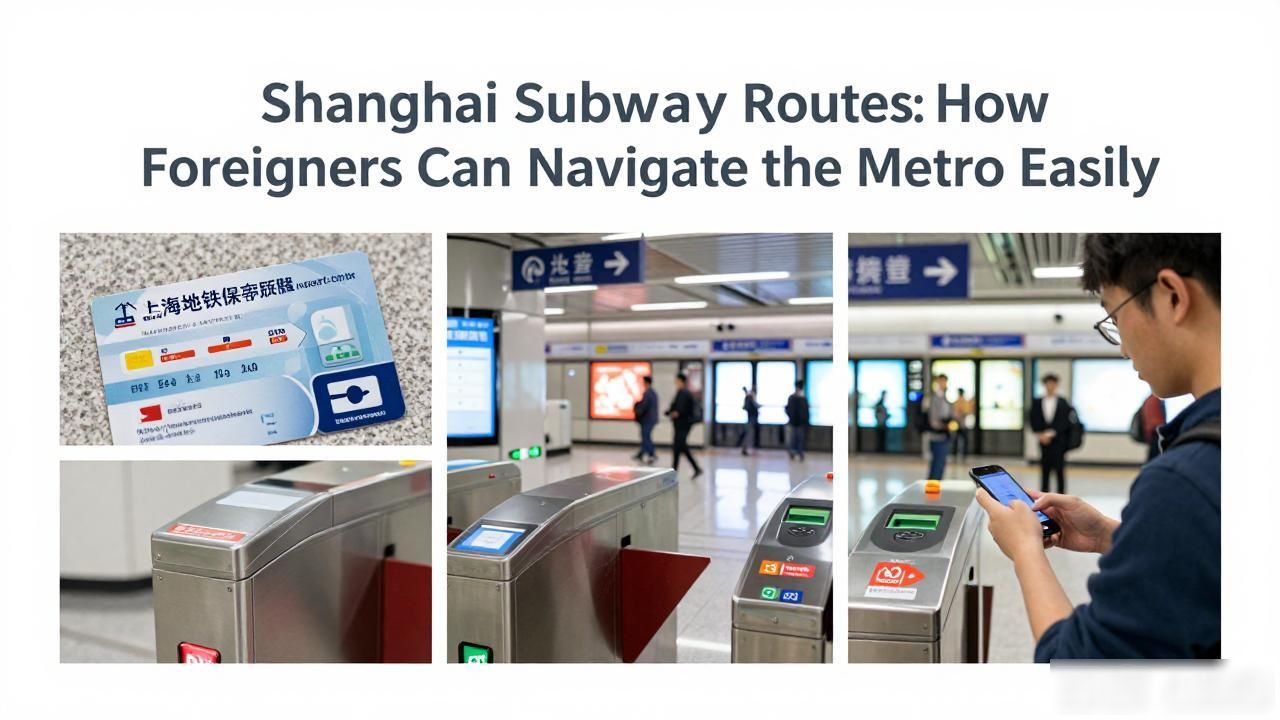
Payment is straightforward. You can purchase a one-time transit card at any station, or simply use your contactless credit card or phone at the gate. Foreign visitors often find the Alipay and WeChat Pay integration especially convenient. Just make sure your phone has data roaming enabled or connect to free Wi-Fi at stations.
Station signs are available in both Chinese and English, though station names in Chinese characters can still be challenging to read quickly. Downloading a Chinese character recognition app on your phone can help you confirm you are boarding the correct train.
Tips for First-Time Riders
The rush hours between 7:30 and 9:00 AM and again from 5:30 to 7:00 PM are incredibly crowded. If you can avoid traveling during these windows, your experience will improve dramatically. Stations in central areas like People’s Square and Nanjing East Road can become packed, so patience is essential.
Most major stations have elevators and escalators, but not all exits are equally accessible. If you are traveling with luggage or have mobility concerns, check ahead which exit is closest to your destination. The system is clean, safe, and generally well-signed, making it one of the most reliable ways to explore this massive city.