
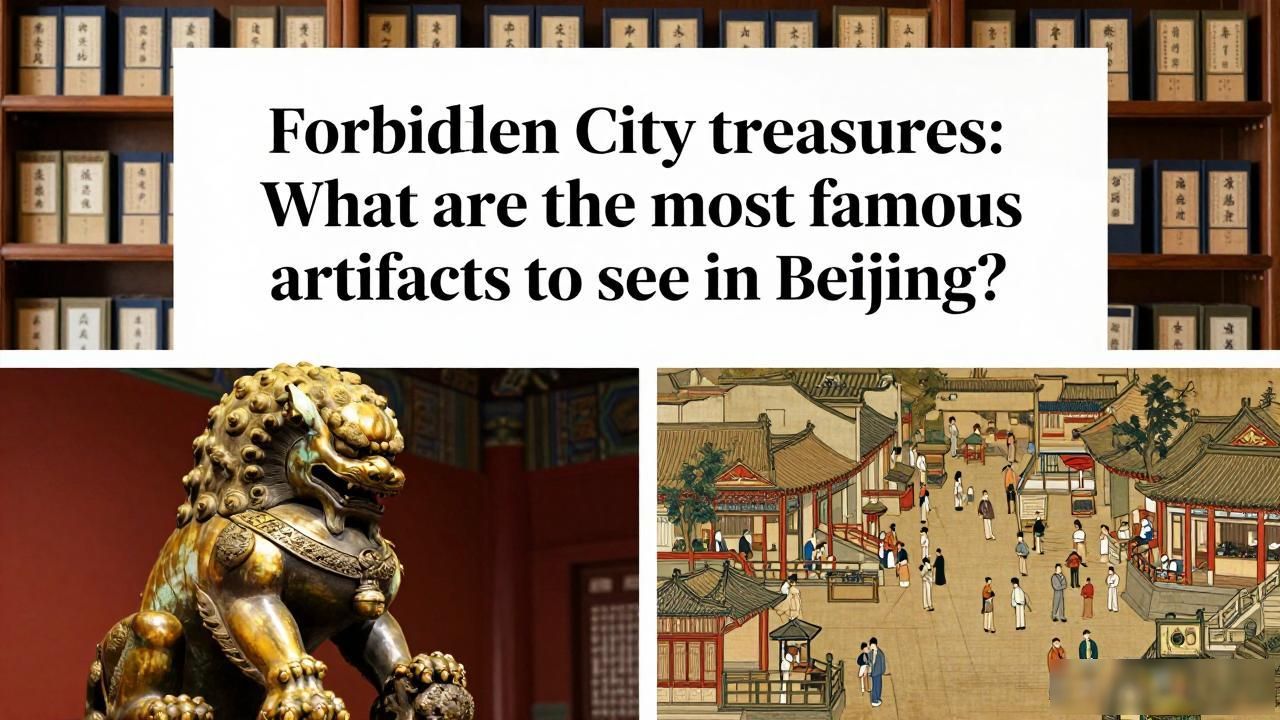
The Forbidden City in Beijing houses one of the world’s most extraordinary collections of Chinese imperial artifacts. For centuries, these treasures were reserved exclusively for the emperor and his court, hidden away from public view. Today, millions of visitors flock to the palace complex each year to witness these remarkable objects up close. Understanding what makes these treasures so special transforms a simple sightseeing trip into a deeply meaningful cultural experience.
What are the most famous Forbidden City treasures?

The imperial collection spans over 1.8 million items, but a handful of pieces consistently captivate visitors. The Gold and Jade Buddha statues from the Qing dynasty stand out for their extraordinary craftsmanship and spiritual significance. These gilded figures, adorned with diamonds, rubies, and pearls, were created as objects of imperial devotion.
Perhaps the most iconic piece is the Jadeite Cabbage, a masterpiece of Qing-era carving that depicts a realistic Chinese cabbage with two grasshoppers perched upon it. The natural color variations in the stone were skillfully used to create the leaves, while the translucent white section forms the delicate head of the vegetable. This piece symbolizes purity and fertility in Chinese culture.
The Hall of Mental Cultivation houses an impressive collection of imperial thrones and ceremonial objects. The Dragon Throne, carved from golden sandalwood and inlaid with precious stones, represents the supreme authority of the emperor. Surrounding it are intricate screens, incense burners, and clockwork automata that demonstrate the technological sophistication of the imperial court.

Why are these treasures historically significant?
These artifacts offer an unparalleled window into Chinese imperial history and artistic achievement. Each piece tells a story about the dynasty that created it, the materials it used, and the cultural values it represented. The collection includes works spanning from the Ming dynasty in the 1400s through the Qing dynasty’s fall in 1912.
The treasures also reveal the extraordinary skill of Chinese artisans. Many pieces required decades to complete, involving multiple generations of craftsmen working on single objects. The enamel work, lacquerware, and textile pieces in the collection demonstrate techniques that have been passed down through countless centuries of tradition.
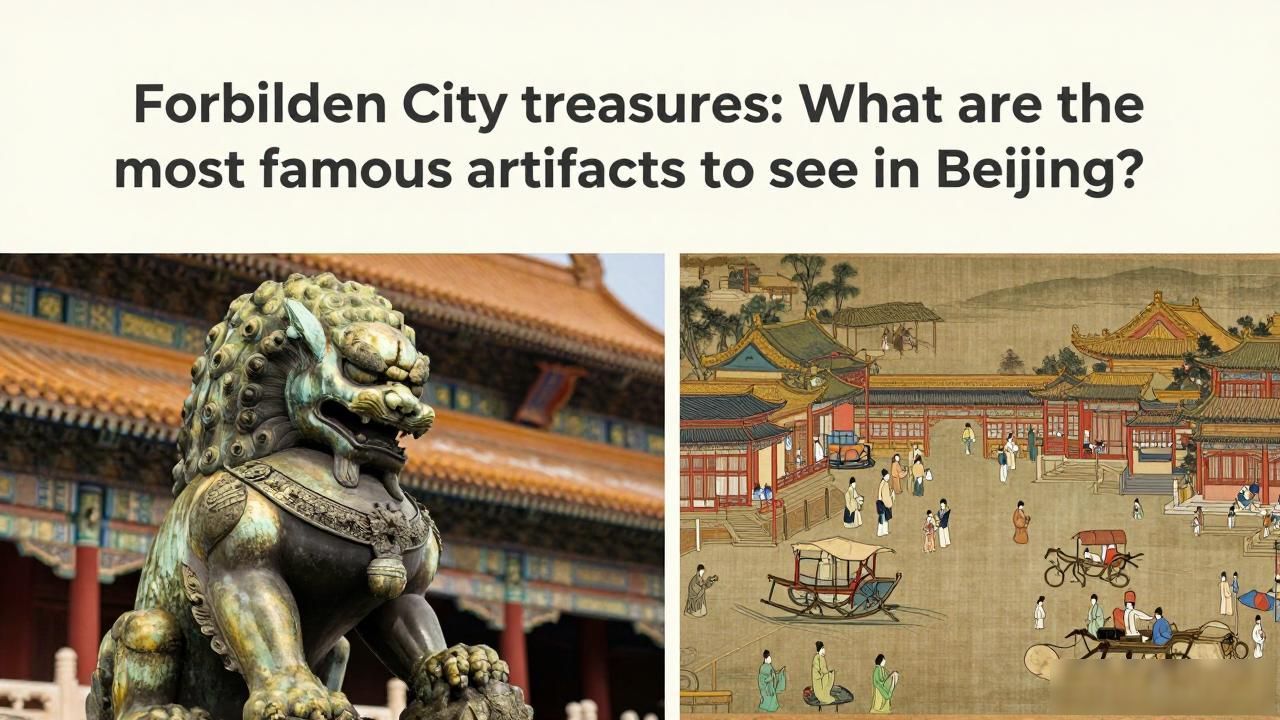
For foreign visitors,these treasures provide essential context for understanding Chinese civilization. They reveal a society that valued beauty, precision, and spiritual devotion in equal measure. The imperial collection represents not just artistic achievement but also the political and cultural ambitions of China’s last two dynasties.
Visiting the Forbidden City to see these treasures is more than a tourist activity; it is an opportunity to connect with one of the world’s great civilizations. The artifacts speak across centuries, reminding us that people in ancient China shared the same appreciation for beauty and craftsmanship that we value today. Each piece invites deeper curiosity about the history, culture, and people who created and cherished them.