
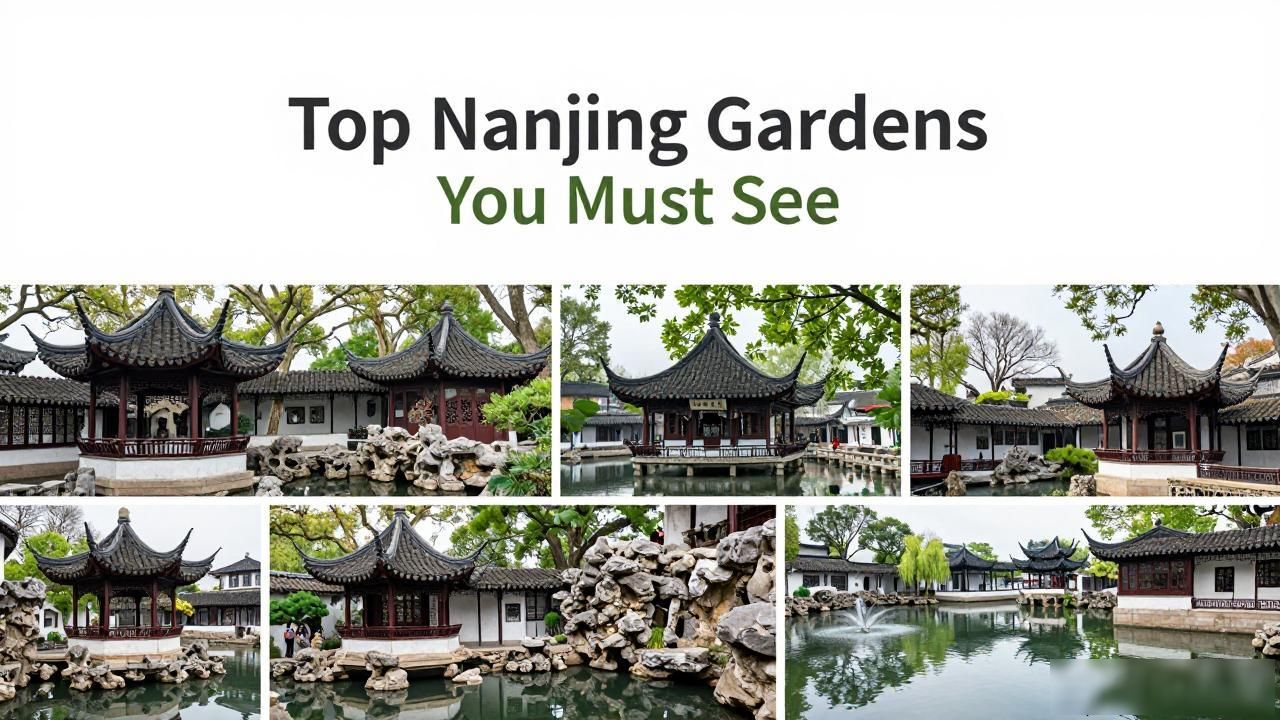
Nanjing’s gardens are a quiet counterpoint to the city’s loud, modern story. While most visitors rush past the Confucius Temple or queue at the Presidential Palace, the real soul of Nanjing hides behind unmarked gates and low brick walls. These gardens are not the grand imperial estates of Beijing or the scholarly retreats of Suzhou. They are something more intimate—smaller, more personal, and deeply tied to the city’s turbulent history. I first wandered into Nanjing’s garden district by accident, following a narrow alley off Zhongshan Road, and I have been coming back ever since. What I found was not a single famous garden but a scattered collection of green spaces, each with its own story, each revealing a different face of this ancient capital.
What Makes Nanjing Gardens Unique
Most people assume Chinese gardens all look the same—rockeries, pavilions, koi ponds, and carefully framed views. Nanjing gardens break that stereotype. They carry the weight of a city that has been a capital, a battlefield, and a place of exile. Many gardens here were built by scholars and officials who were demoted or retired, forced to retreat into private landscapes while losing power at court. The result is a garden tradition that feels more melancholic, more introspective, than the celebratory grandeur of the Ming and Qing imperial gardens elsewhere in China.

The most striking example is the Ming Xiaoling area, where gardens blend with mausoleum grounds and forested hills. Unlike the manicured perfection of the Summer Palace, these spaces feel wilder, older, as if nature has been allowed to reclaim what was once carefully designed. Another distinctive feature is the heavy presence of plum blossoms and bamboo—plants that symbolize resilience in Chinese culture. Nanjing gardens are best understood not as decorative spaces but as philosophical statements, carved by people who needed to preserve their dignity in difficult times.
Best Nanjing Gardens to Visit
If you only have time for one garden, make it Xuanwu Lake Park. It is not a classical garden in the strict sense, but it captures the essence of Nanjing’s relationship with water and greenery. The lake stretches along the northern wall of the ancient city, and walking its perimeter feels like strolling through a painting that changes with every season. In spring, the peach blossoms line the causeway in dense pink clouds. In autumn, the ginkgo trees along the path turn the ground into gold.
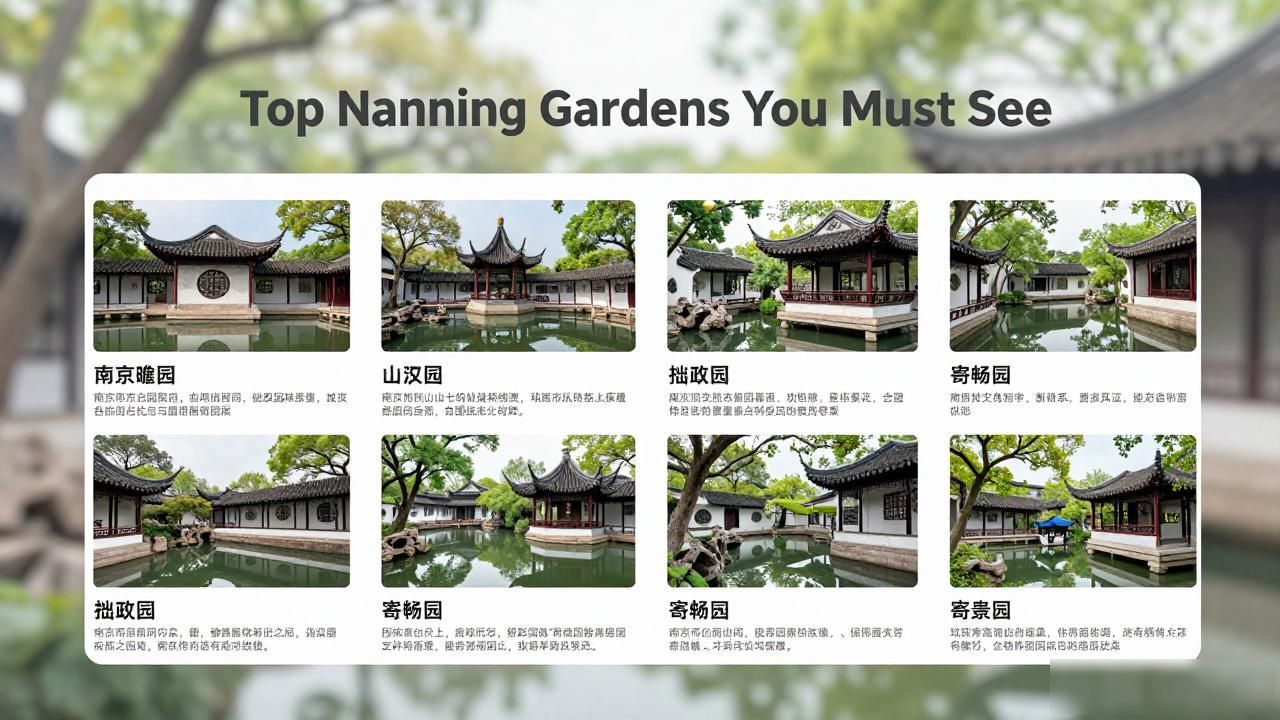
For a more traditional experience, head to the Presidential Palace gardens. Tucked behind the political history most visitors come to see,these gardens are surprisingly peaceful. They were designed in the late 19th century and combine Chinese and Western elements—a reflection of Nanjing’s position at the crossroads of tradition and modernity. The rockeries are modest, the ponds are small, but the attention to detail is remarkable. The best time to visit is early morning, when the gardens are nearly empty and the light filters through the willow branches in a way that feels almost unreal.
Another hidden gem is the Gulou Park area, where a series of small gardens cluster around ancient temples and towers. These are the gardens of ordinary Nanjing residents—places where elderly locals practice tai chi, fly kites, and play cards. There is no entrance fee, no tour groups, and no pressure to perform any kind of tourism. You simply walk in and become part of the scene.
How to Get the Most from Your Visit
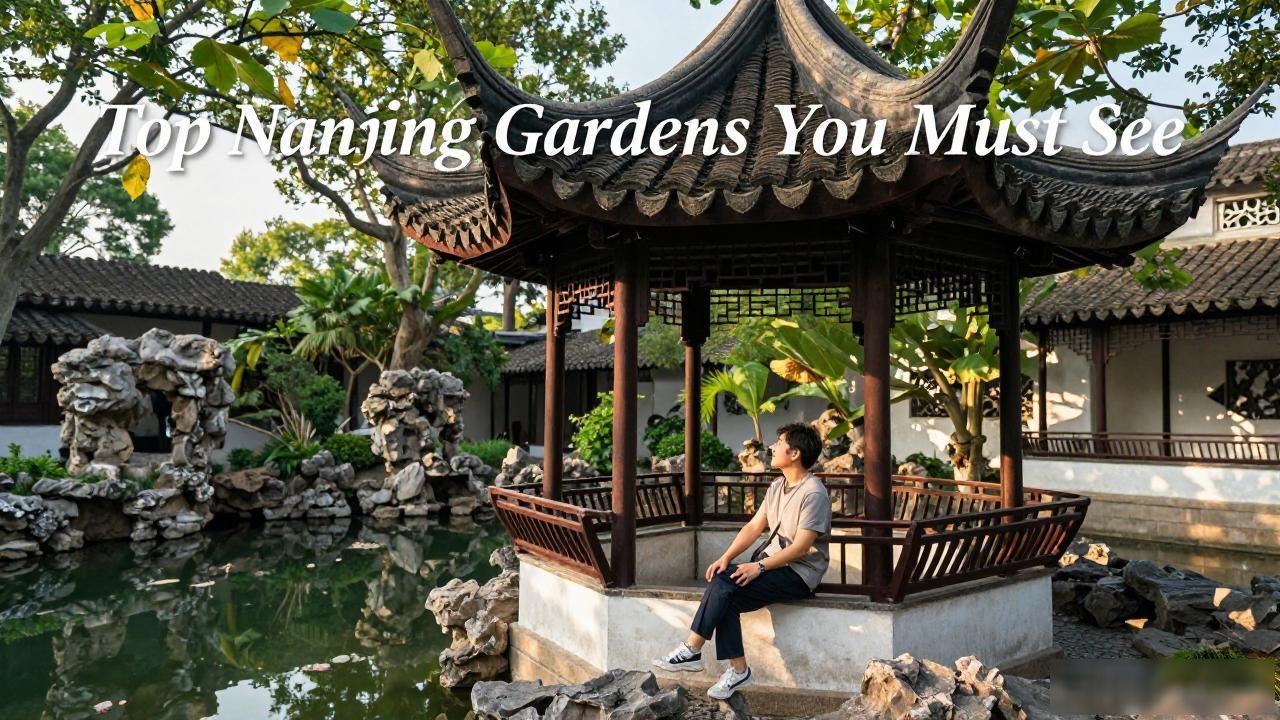
The biggest mistake foreign visitors make is treating Nanjing gardens as a checklist. They rush from one site to another, snapping photos and moving on. This approach misses the point entirely. Nanjing gardens reward slowness. They ask you to sit, to watch the light change, to notice how a single bamboo stalk casts a shadow that moves across a stone path over the course of an hour. The gardens are not meant to be consumed—they are meant to be experienced.
Practical advice matters too. Wear comfortable shoes—the garden paths are often uneven stone or packed earth. Bring water, especially in summer, when Nanjing’s heat can be brutal. And do not rely on guidebooks alone. The best discoveries happen when you wander without a destination, turning down side paths and following the sound of water or the smell of osmanthus.
Nanjing’s gardens will not impress you with scale or opulence. They will impress you with their honesty. They are the green lungs of a city that has survived wars, revolutions, and rapid modernization, and they continue to offer a place of refuge for anyone willing to slow down and look closely.