
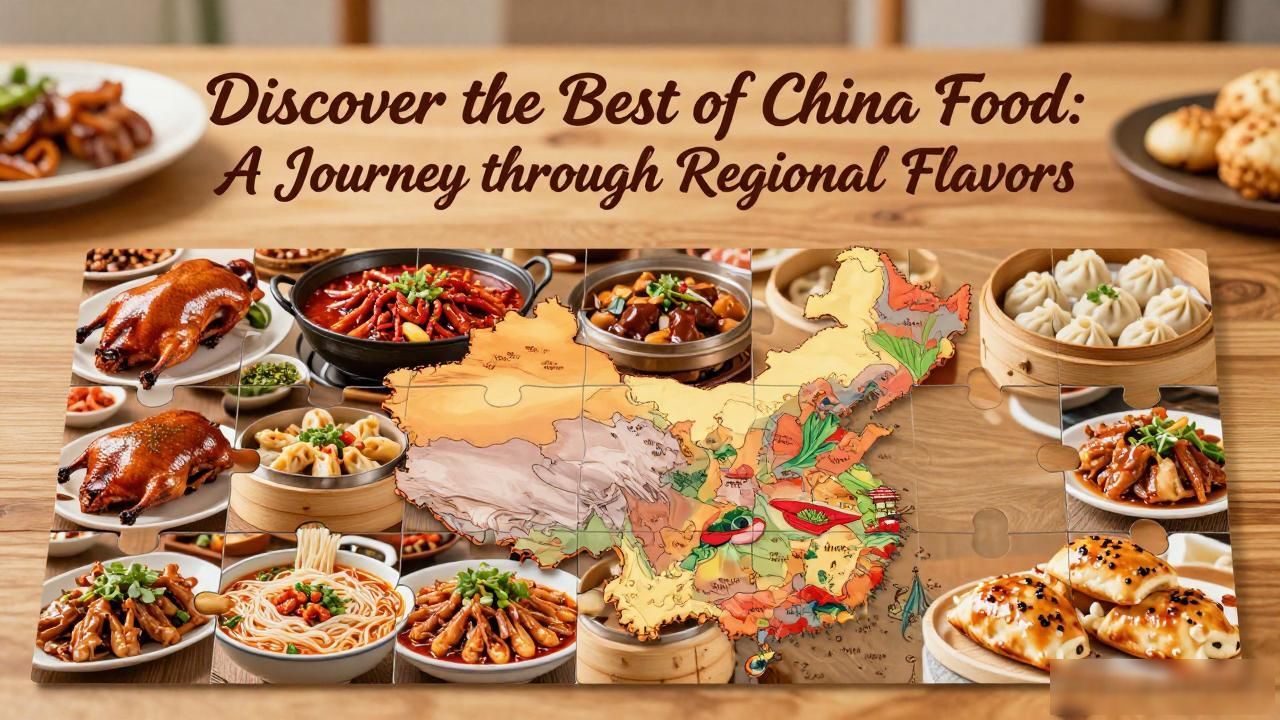
China food discovery is like opening a treasure chest of flavors. From the spicy heat of Sichuan to the delicate sweetness of Cantonese cuisine, every region tells a story through its dishes. This article will guide you through the essentials of exploring Chinese food, helping you understand what makes it so unique and how to start your own culinary adventure.
What makes Chinese food so diverse

The diversity of Chinese food comes from its geography, climate, and history. Each region developed its own style based on local ingredients and cultural influences. For example, northern China relies heavily on wheat, so you find noodles and dumplings there. In the south, rice is the staple, leading to dishes like congee and rice rolls. Coastal areas like Fujian and Zhejiang use fresh seafood, while inland regions like Sichuan and Hunan rely on bold spices to preserve food in humid climates.
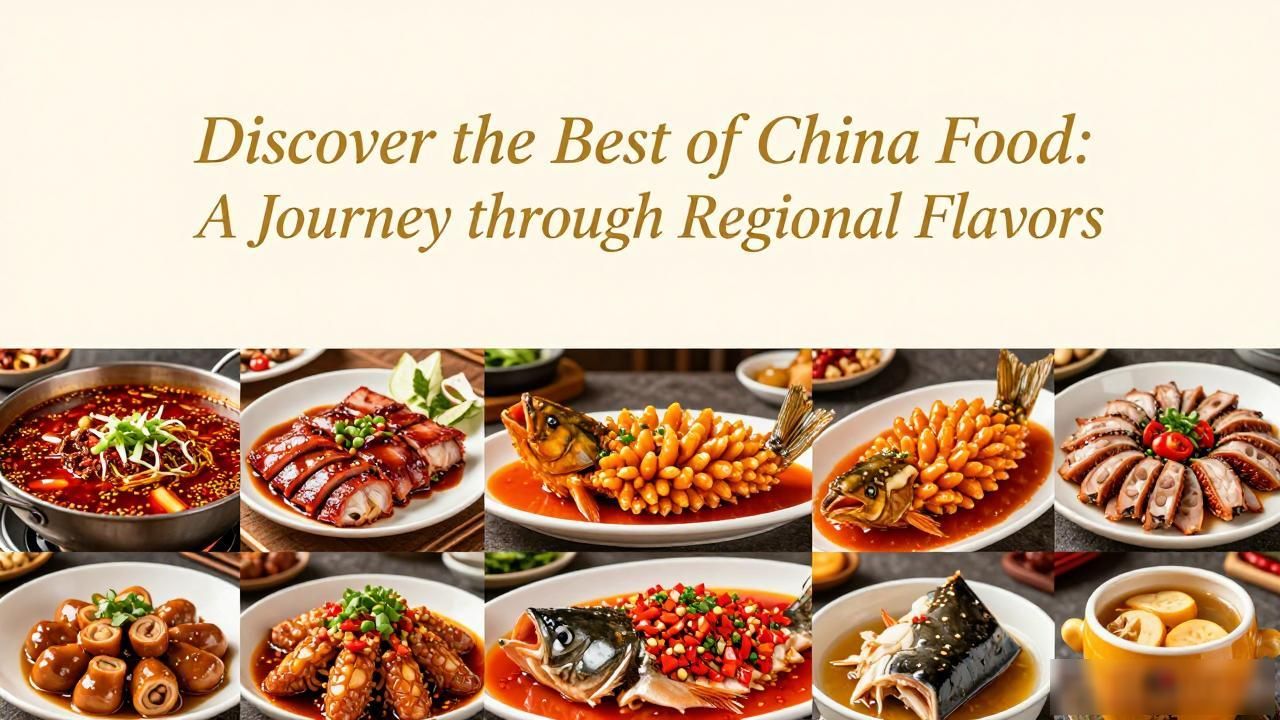
Understanding this regional variety is key to a real China food discovery. You cannot say you know Chinese food after just trying sweet and sour pork or fried rice. The real depth lies in dishes like mapo tofu from Sichuan, which uses numbing Sichuan peppercorns, or xiaolongbao from Shanghai, which are soup-filled dumplings. Each dish reflects the local lifestyle and resources.
Another factor is the philosophy behind Chinese cooking. Balance is important—between flavors like sweet, sour, salty, bitter,and umami, and between textures like crunchy, soft, and chewy. This is not random; it is a deliberate practice passed down for centuries. When you explore Chinese food, you are also exploring a way of thinking about food that is holistic and health-conscious.
How to start exploring Chinese food
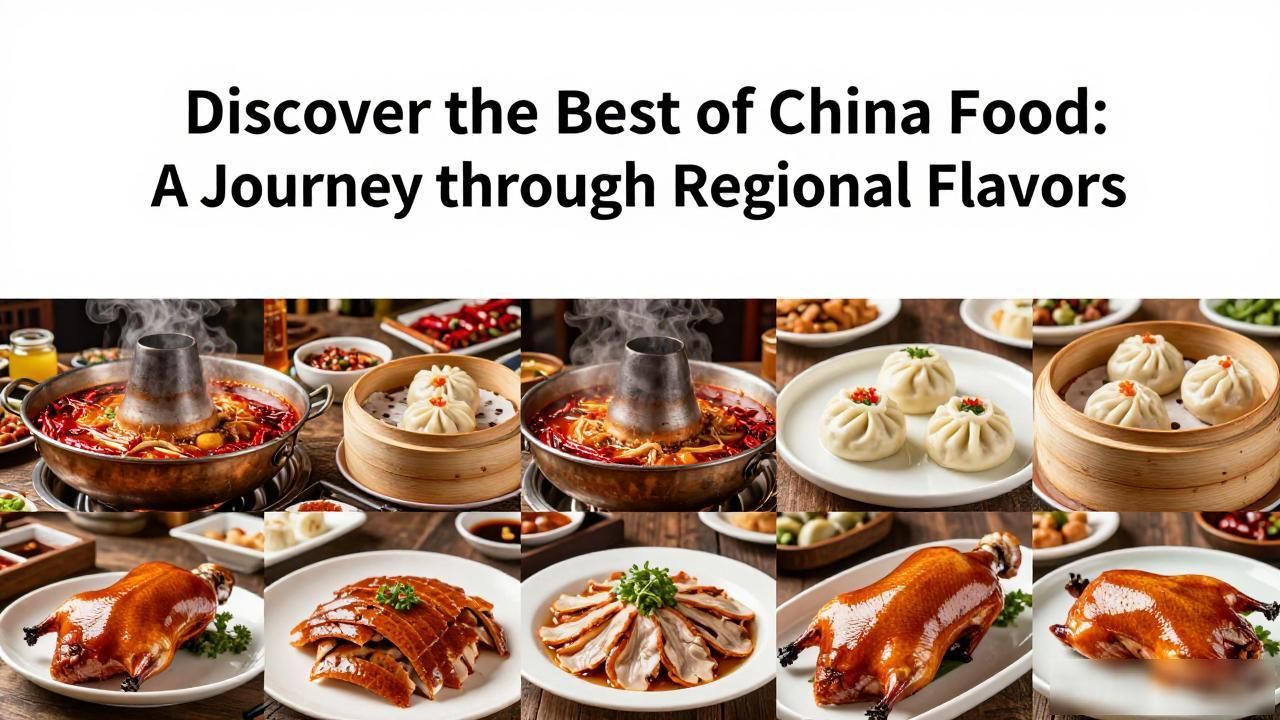
If you are new to Chinese food, start with dishes that are widely available and easy to enjoy. For example, try Peking duck for its crispy skin and tender meat, or hot pot for a fun, interactive meal where you cook your own ingredients. These dishes are popular both in China and abroad, so they are a safe entry point.
Once you are comfortable, move to regional specialties. Look for restaurants that focus on a specific cuisine, like Cantonese dim sum or Sichuan street food. You can also visit local Chinese markets to see ingredients like dried mushrooms, fermented bean paste, and fresh herbs. Cooking at home is another great way to discover flavors. Simple recipes like stir-fried greens with garlic or steamed fish with ginger are easy to start with.
Do not be afraid to ask questions. Many Chinese restaurant owners are happy to explain their dishes. You can also join food tours or online communities focused on Chinese cuisine. The goal is to be curious and open-minded. Some dishes may look unfamiliar or smell strong, but they often surprise you with their taste.
Chinese food discovery is a lifelong journey. Every meal offers something new, whether it is a street stall in Xi’an or a high-end restaurant in Shanghai. Keep exploring, and you will find that the world of Chinese food is as vast as the country itself.