
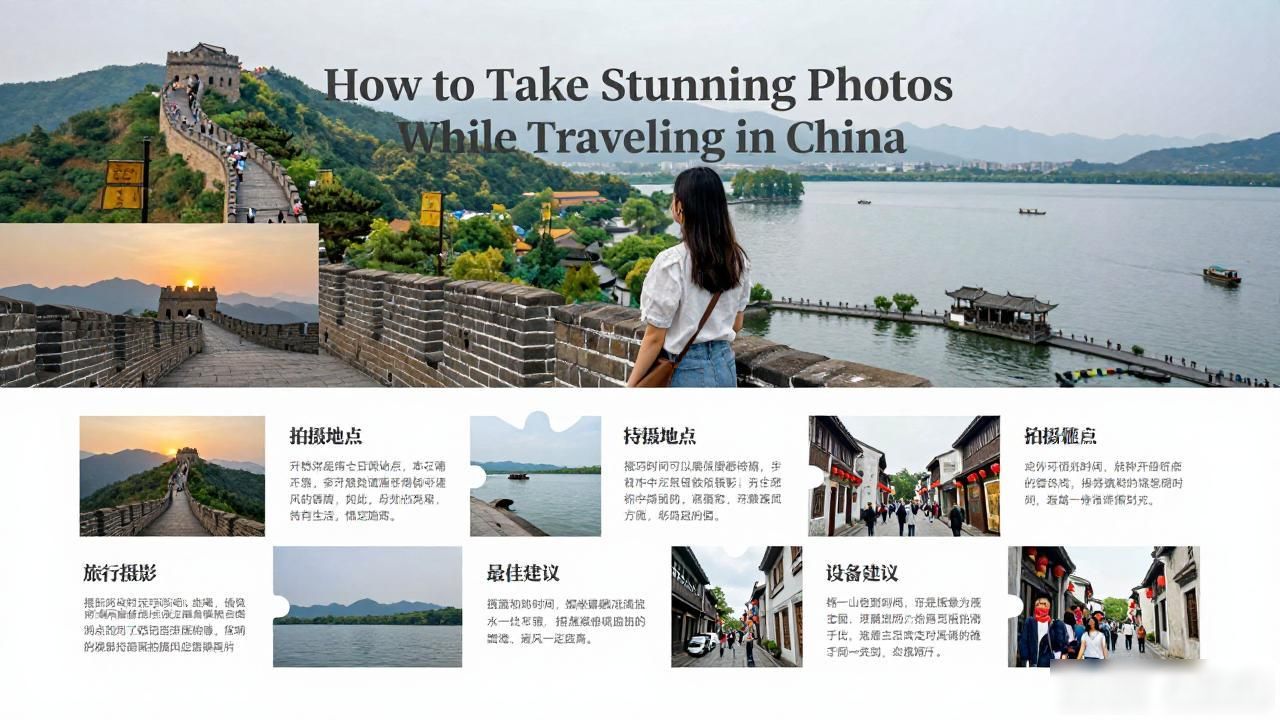
China is a photographer’s paradise, with landscapes ranging from misty mountains to neon-lit megacities. But capturing the essence of this vast country requires more than just a good camera—you need to understand the light, the culture, and the best timing. This article covers practical photography tips for traveling in China, helping you avoid common mistakes and come home with images that truly tell a story.
What is the best time of day for photography in China
Lighting can make or break a travel photo. In China, the golden hours—just after sunrise and just before sunset—are your best friends. Many iconic spots like West Lake in Hangzhou or the rice terraces in Longsheng look magical during these times. Early mornings also offer fewer crowds, which is a huge advantage at popular sites like the Great Wall or the Forbidden City.
But don’t ignore the blue hour. In cities like Shanghai or Chongqing, the 20 minutes after sunset give you a deep blue sky that contrasts beautifully with warm streetlights and neon signs. This is the perfect moment for long exposure shots of traffic or rivers.

Midday light can be harsh, especially in summer. If you’re stuck shooting at noon,look for shaded alleyways or indoor markets. The narrow hutongs in Beijing or the wet markets in Chengdu offer rich textures and candid moments even under bright sun.
How to photograph people respectfully in China
Street photography in China is incredibly rewarding, but it requires cultural sensitivity. Many locals, especially in rural areas, are not used to being photographed. Always smile and ask for permission first. A simple gesture or the word “qǐng” (please) goes a long way. In tourist-heavy spots like Xi’an’s Muslim Quarter, vendors are often happy to pose if you buy something small.
In ethnic minority regions like Yunnan or Guizhou, dress and traditions are visually stunning. But respect is key. Never photograph ceremonies or people without clear consent. If someone says no, just nod and move on. Some travelers carry a small Polaroid printer—giving a printed photo as a thank-you creates goodwill and opens doors for more shots.
For candid shots in cities, use a longer lens to keep distance. Markets, parks, and morning tai chi sessions are full of natural moments. The key is to blend in, move slowly, and never act like a paparazzo.
What camera settings work best for China’s varied landscapes
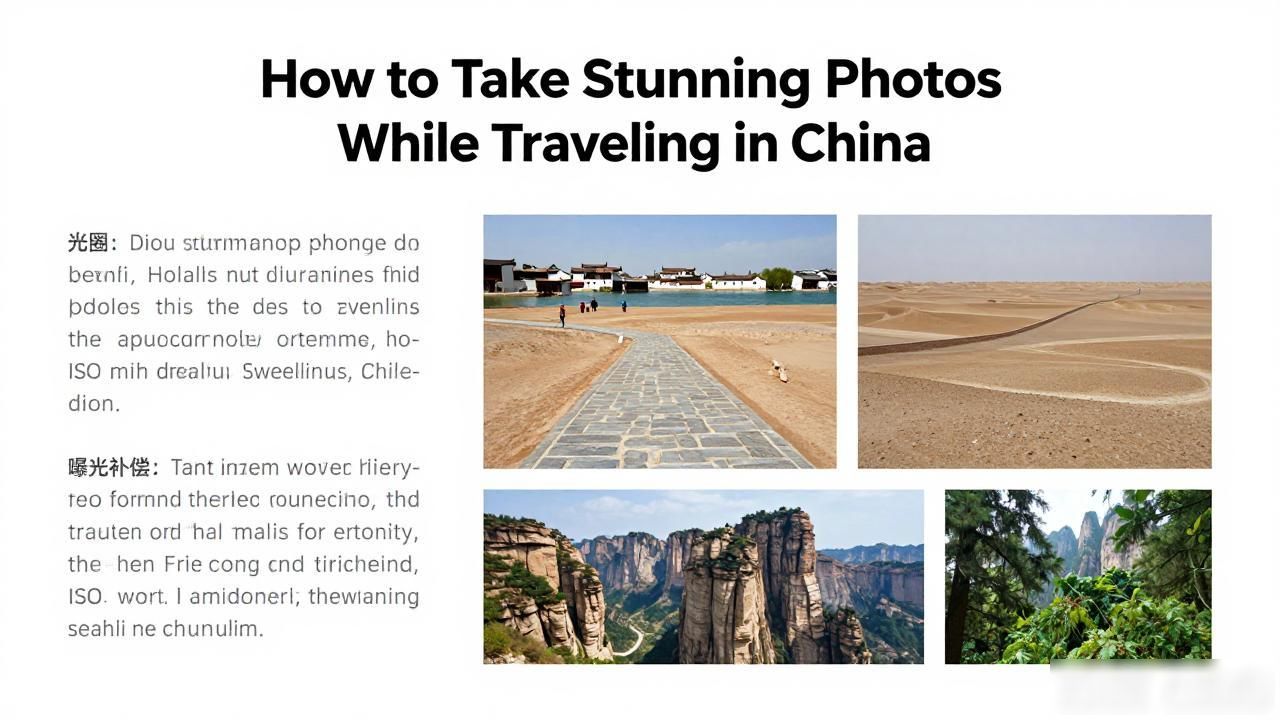
China’s geography is incredibly diverse, so your camera settings need to adapt. For wide landscapes like Zhangjiajie’s sandstone pillars or the Gobi Desert, use a small aperture (f/8 to f/11) to keep everything sharp. A tripod is essential for sunrise shots and for capturing the famous Li River reflections near Guilin.
In low-light temples or caves, bump up your ISO but keep it under 1600 to avoid noise. If your camera has image stabilization, use it. For fast-moving subjects like the pandas in Chengdu or the street performers in Shanghai, switch to shutter priority mode and set it to at least 1/250th of a second.
Don’t forget to shoot in RAW. The lighting conditions in China can change fast—from bright sun to deep shadow in seconds. RAW files give you the flexibility to fix white balance and exposure later. Also, keep your lens clean. Dust and humidity in places like the Yangtze River region can ruin sharpness quickly.
How to handle crowds and get clean shots
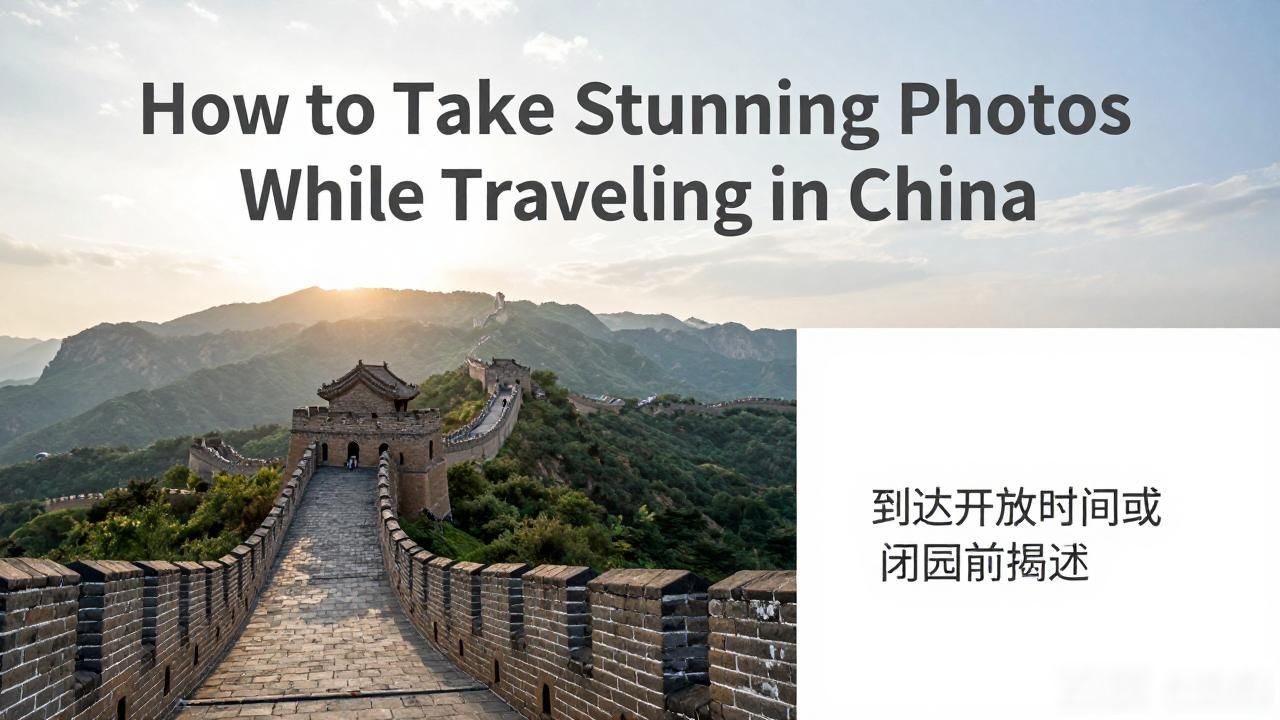
Tourist sites in China can be overwhelming. The Great Wall, the Bund in Shanghai, and the Terracotta Warriors are almost always packed. The trick is to arrive at opening time or stay until closing. Even 30 minutes early can make a huge difference.
If crowds are unavoidable, use a low angle. Shooting upward from ground level eliminates people in the background and emphasizes architecture. Another technique is to use a slow shutter speed with a neutral density filter—people walking become motion blur, while buildings stay sharp. This works great at busy plazas like Tiananmen Square.
Also, be patient. Sometimes waiting 10 minutes for a gap in the crowd is better than taking a hundred messy shots. In places like the Yu Garden in Shanghai, find a corner or a small courtyard where tourists rarely go. These hidden spots often offer the most peaceful compositions.
China offers endless opportunities for travel photography, but success comes from preparation and respect. Master the light, engage with locals thoughtfully, and adapt your gear to each scene. Whether you’re shooting the ancient alleyways of Suzhou or the futuristic skyline of Shenzhen, these tips will help you capture images that reflect the real China.