
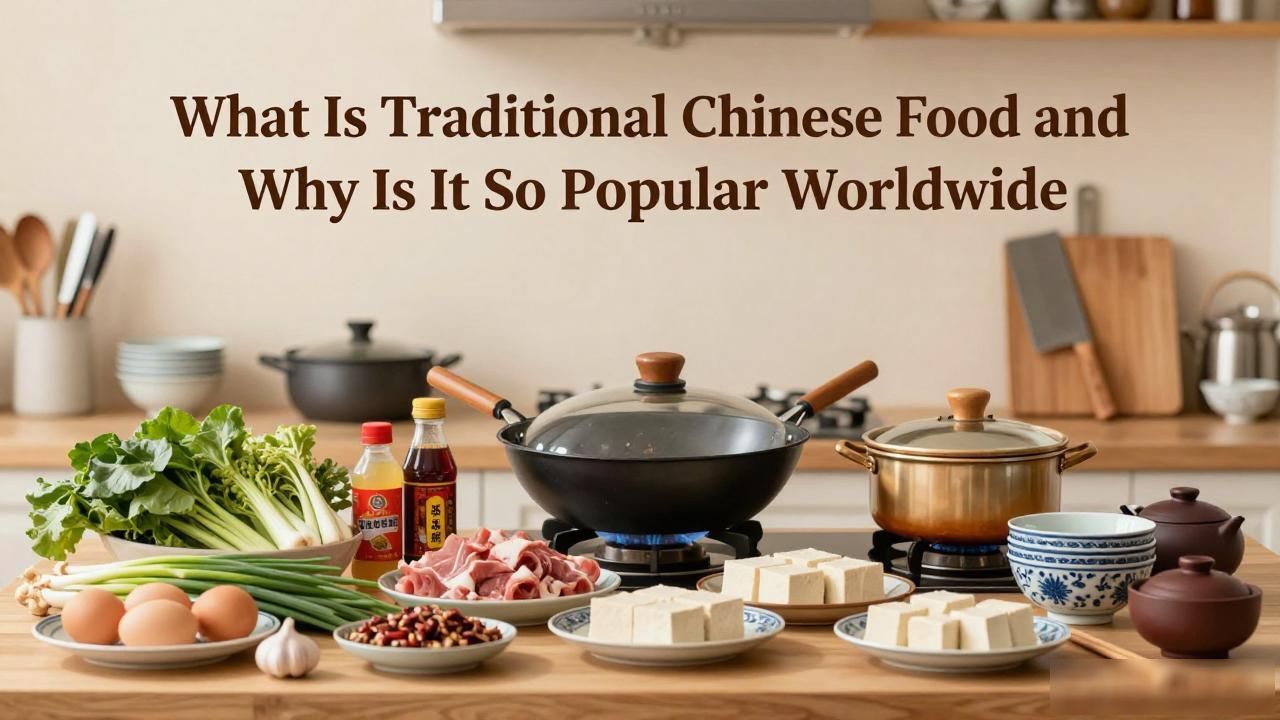
Traditional Chinese food is one of the oldest and most diverse culinary traditions in the world. It is not just about eating—it reflects thousands of years of history, philosophy, and regional culture. From the spicy heat of Sichuan to the delicate dim sum of Cantonese kitchens, Chinese food offers a wide range of flavors, textures, and cooking methods. Many people around the world have fallen in love with it, but not everyone truly understands what makes it “traditional.”
What makes traditional Chinese food different from Western food

The biggest difference lies in the philosophy behind the food. Traditional Chinese cooking follows the principle of balance—balancing flavors like sweet, sour, bitter, salty, and umami, but also balancing the body’s energy, or qi. Ingredients are chosen not just for taste, but for their medicinal properties. For example, ginger is used to warm the body, while bitter melon is eaten to cool it down.
Another key difference is the way food is prepared. In traditional Chinese kitchens, cutting techniques are highly valued. Vegetables and meats are chopped into small, uniform pieces so they cook quickly and evenly. This is very different from Western cooking, where large cuts of meat or whole vegetables are common. Stir-frying, steaming, and braising are the main methods, which preserve nutrients and create complex flavors without heavy use of dairy or bread.
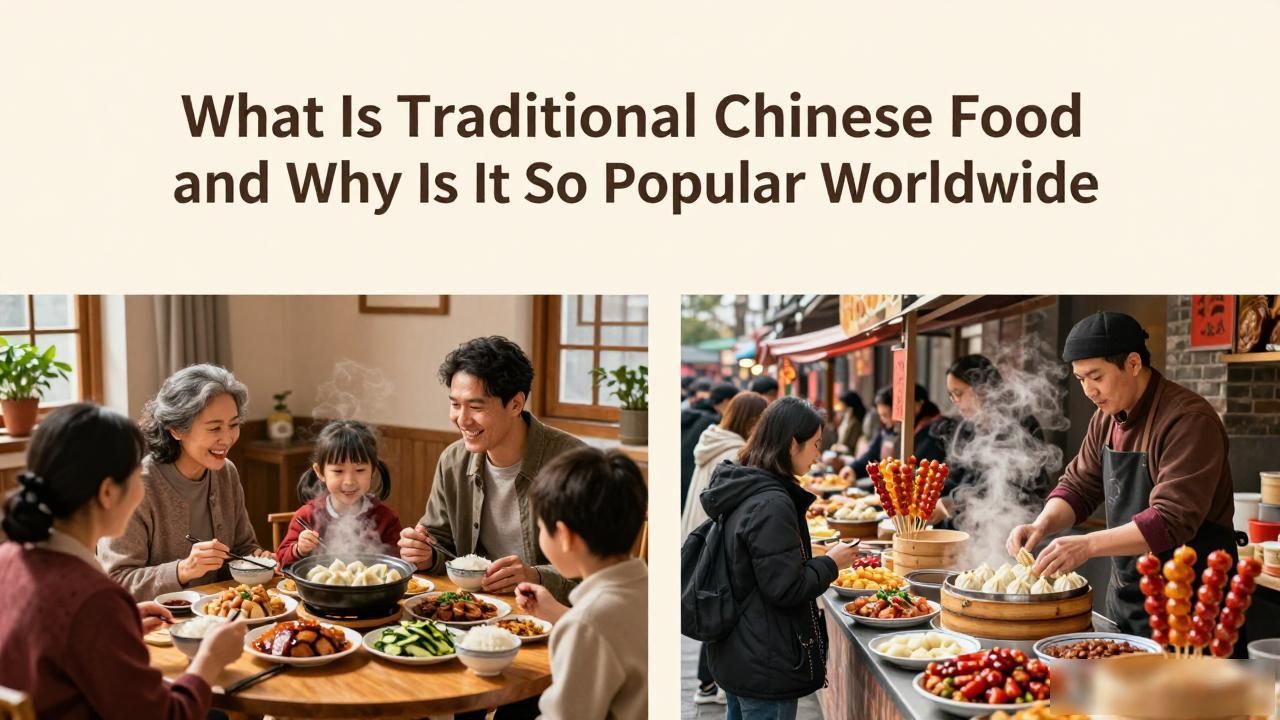
Meals are also shared family-style, not served as individual plates. A typical meal includes rice or noodles, several vegetable and meat dishes, and soup. This communal way of eating strengthens family bonds and reflects the importance of harmony in Chinese culture.
How to enjoy traditional Chinese food like a local
If you want to truly experience traditional Chinese food, start by exploring regional cuisines. China has eight major culinary traditions, including Cantonese, Sichuan, Shandong, and Jiangsu. Each region uses local ingredients and has its own signature dishes. For example, Cantonese food is known for its fresh seafood and light seasoning, while Sichuan food is famous for its bold use of chili and Sichuan peppercorns.
Don’t just order the same dishes you see in Western Chinese restaurants. Try classics like mapo tofu, xiaolongbao (soup dumplings), or Peking duck. Pay attention to the texture—Chinese food values a variety of textures, from crunchy to chewy to silky. Also, learn to use chopsticks properly and eat with the rhythm of the meal. Start with lighter dishes, then move to richer ones, and finish with soup.
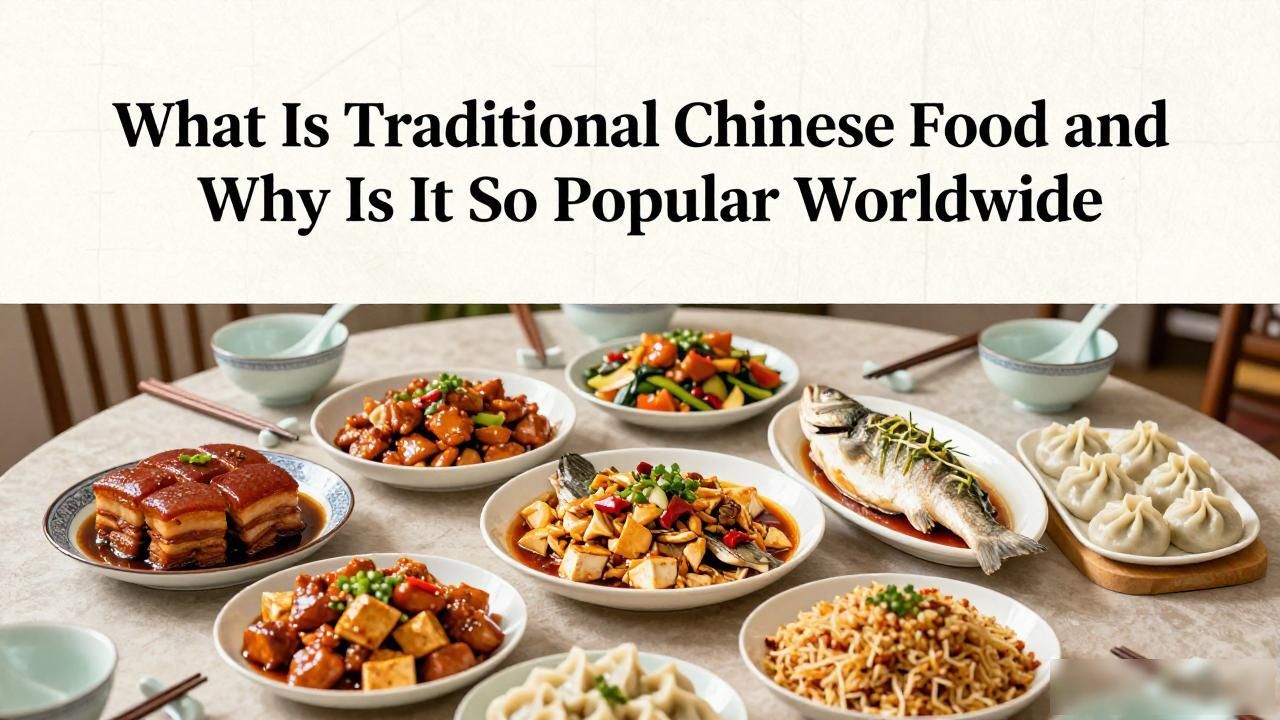
Finally, be open to ingredients that may seem unusual, such as century eggs, fermented tofu,or jellyfish. These are not just exotic—they are deeply rooted in Chinese food culture and offer unique flavors that locals love. Eating traditional Chinese food is about more than just filling your stomach; it is about connecting with a civilization that has perfected the art of cooking over thousands of years.
Traditional Chinese food is a world of its own, waiting to be explored. Whether you are a curious beginner or a seasoned eater, there is always something new to learn and taste. The beauty of this cuisine lies in its depth, variety, and the stories behind every dish.