
Authentic Chinese food is often misunderstood in the West. Many people think of orange chicken or fortune cookies, but real Chinese cuisine is far more diverse, regional, and deeply tied to culture. It’s not just about flavor—it’s about technique, ingredients, and tradition. Whether you’re a traveler, a foodie, or someone who grew up eating Americanized versions, understanding what makes Chinese food authentic can change how you eat and cook.
What makes a dish truly authentic Chinese food

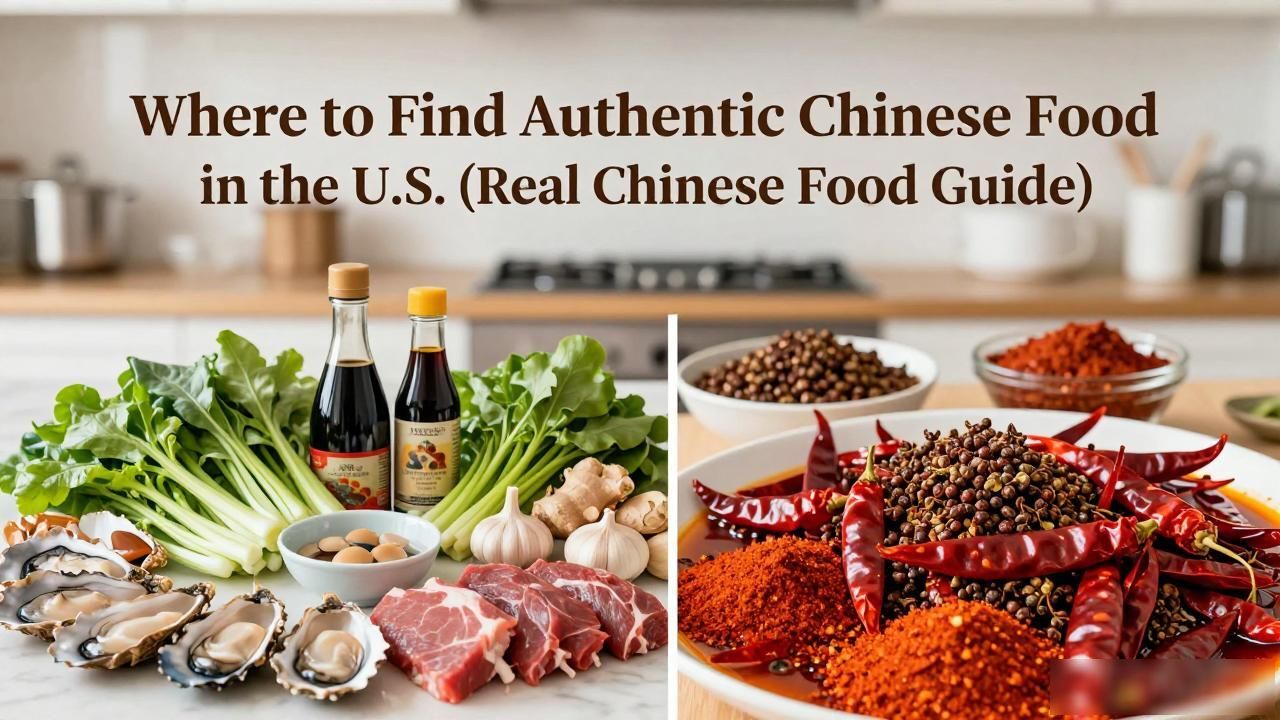
Authenticity in Chinese food starts with the ingredients. Soy sauce, ginger, garlic, scallions, and Sichuan peppercorns are staples, but each region uses them differently. For example, Cantonese food emphasizes freshness and light seasoning, while Sichuan food relies on bold, numbing spice. A dish like mapo tofu must use doubanjiang (fermented broad bean paste) to be considered authentic—substitutes change the entire character.
Technique also matters. Wok hei, the smoky breath of a wok, is essential in stir-fries. Without it, even the best ingredients fall flat. Many home cooks in China spend years perfecting knife skills and heat control. When you eat at a restaurant claiming to serve authentic Chinese food, look for these details: hand-pulled noodles, house-made dumpling wrappers, or live fish tanks for seafood dishes. These signs show a commitment to tradition.
How to spot authentic Chinese food in your city
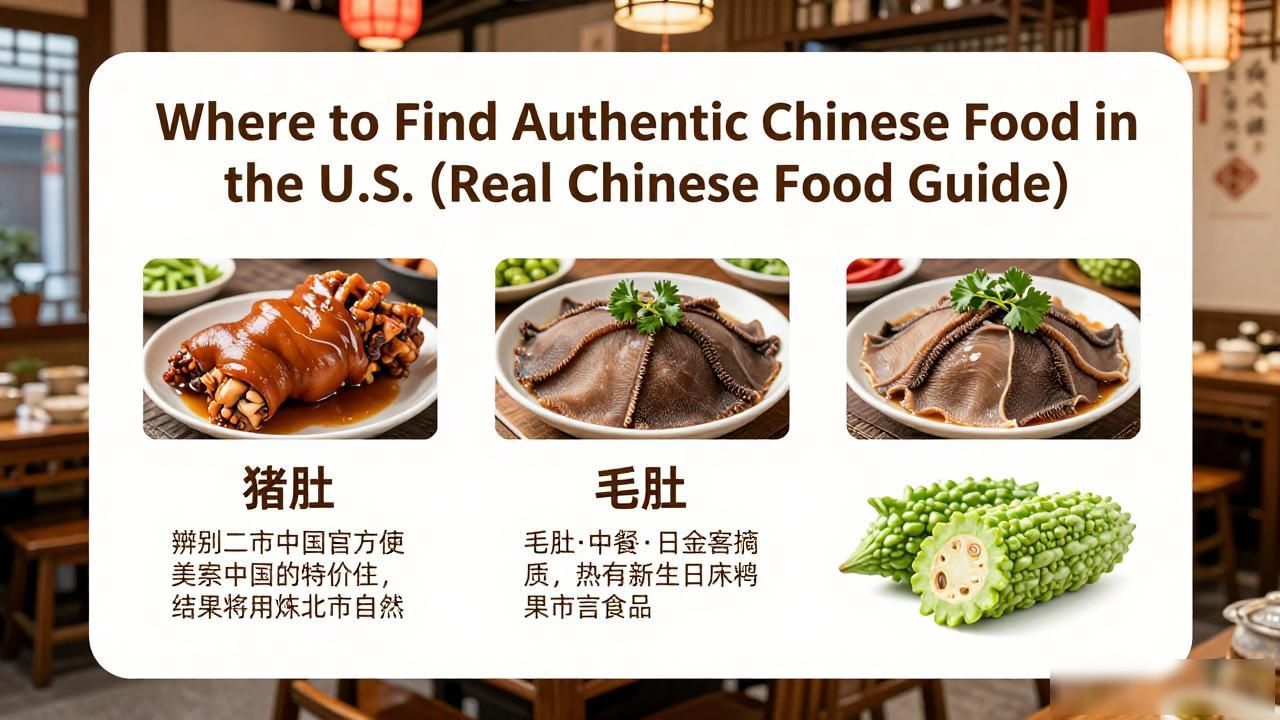
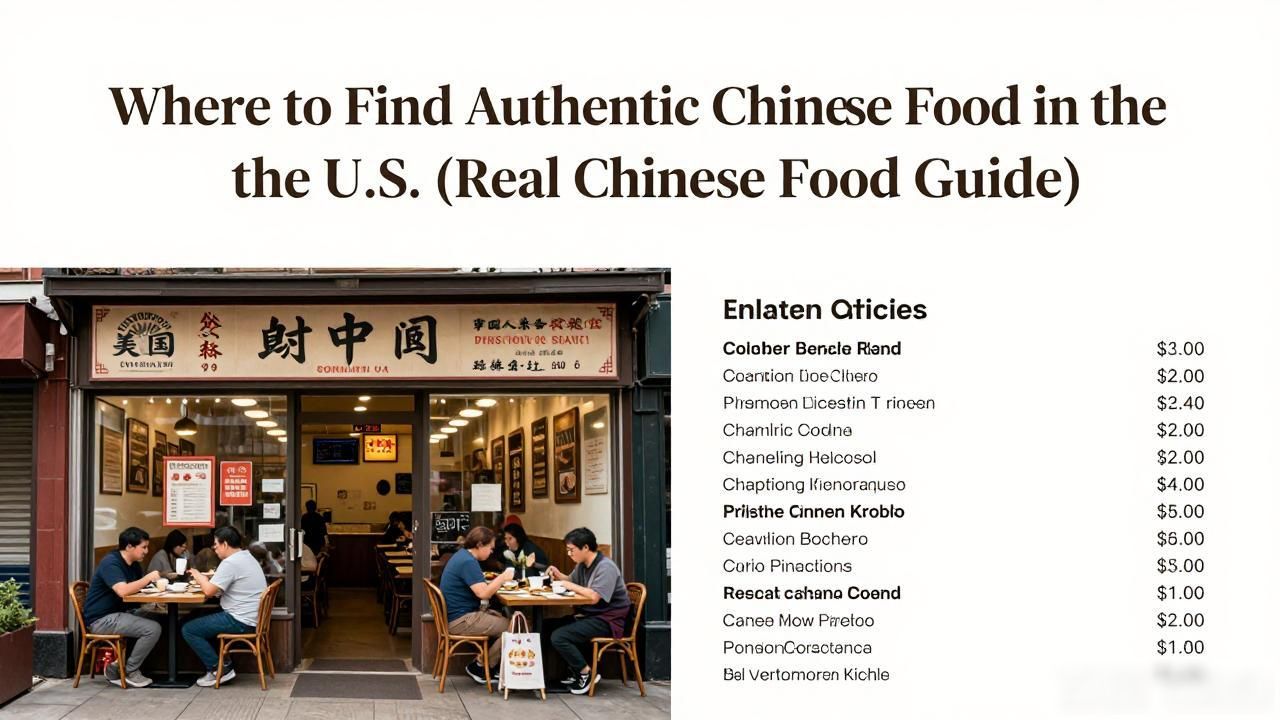
Finding real Chinese food abroad isn’t always easy, but there are clues. First, check the menu. If the restaurant has a separate menu in Chinese or offers dishes like pig trotters, tripe, or bitter melon, it’s likely catering to a Chinese clientele. That’s a good sign. Also, look at who’s eating there. A crowded dining room full of Chinese families or students usually means the food is authentic.
Another tip is to explore Chinatowns or suburban Asian malls. In cities like San Francisco, New York, or Los Angeles, you’ll find regional specialties like Lanzhou lamian, Chongqing hot pot, or Fujianese oyster omelets. Don’t be afraid to ask the staff what they recommend—they often know which dishes are closest to what they eat at home. Remember, authentic Chinese food isn’t always pretty or Instagram-friendly, but it’s almost always delicious.
Why authentic Chinese food is worth seeking out
Eating authentic Chinese food connects you to a culinary tradition that spans thousands of years. It’s not just about filling your stomach—it’s about experiencing balance, texture, and depth. A well-made bowl of congee with century egg and pickled ginger can be more comforting than any fancy steak. A plate of dry-fried green beans with minced pork can change how you think about vegetables.
For many immigrants, authentic Chinese food is a taste of home. For others, it’s a doorway into a new culture. When you try real xiaolongbao (soup dumplings) or hand-shaved noodles, you understand why Chinese cuisine is one of the world’s greatest. It’s worth the effort to find it, cook it, and appreciate it.