
Chengdu is not just about pandas and spicy food. It is a city where ancient traditions breathe alongside modern life. This article explores how you can experience the real cultural soul of Chengdu through its historic sites, local neighborhoods, and everyday customs.
What makes Chengdu’s culture different from other Chinese cities
Chengdu has a relaxed rhythm that sets it apart. People here take time to enjoy tea, chat in parks, and appreciate slow living. This is not a city that rushes. The teahouse culture is a perfect example. You can sit in a bamboo chair at People’s Park, order a cup of jasmine tea, and watch locals play mahjong or practice calligraphy. It feels like time slows down.

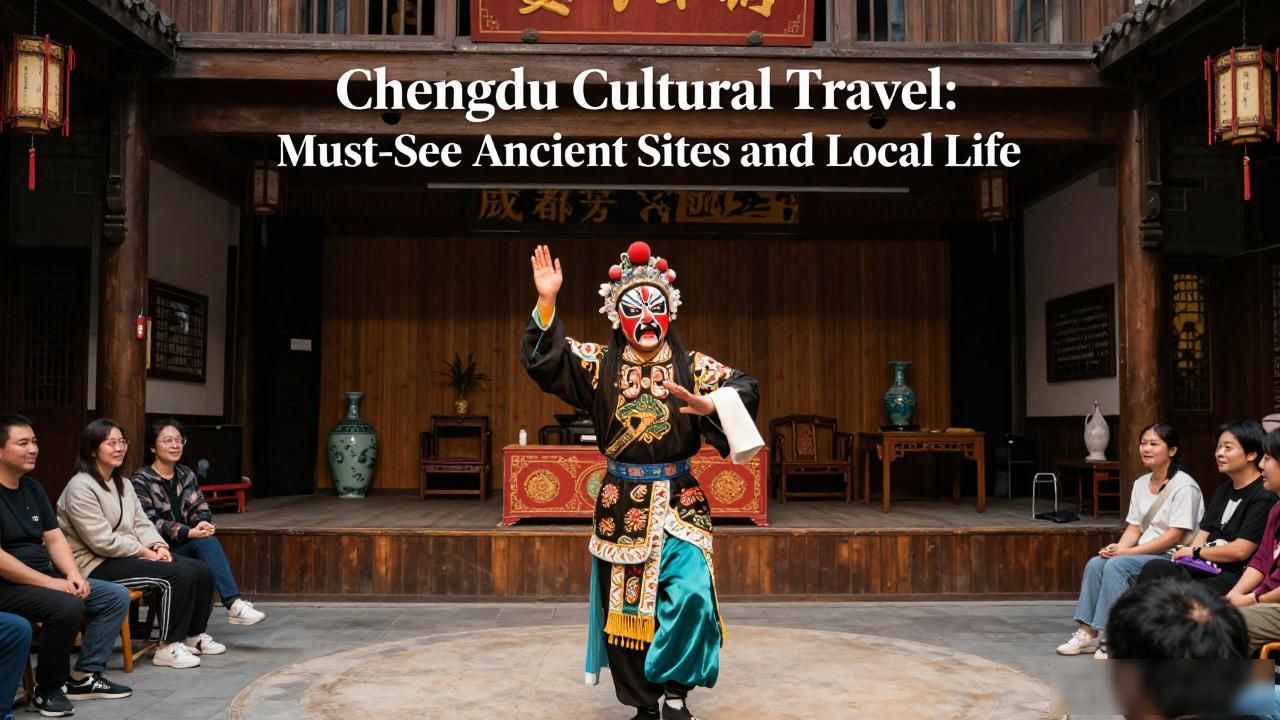
Another unique aspect is Sichuan opera. Unlike Beijing opera, Sichuan opera is famous for its face-changing performance. The actors flip masks in a split second, and nobody knows how. This art form is deeply rooted in local folklore and is still performed in small theaters around the city. Watching it gives you a direct connection to centuries of storytelling.
The food culture also tells a story. Chengdu’s streets are filled with small stalls selling dan dan noodles, mapo tofu, and hotpot. But eating here is not just about taste. It is about sharing. People gather around a bubbling pot, dipping ingredients together. This communal style reflects the city’s emphasis on relationships and warmth.
Where to go for an authentic cultural experience in Chengdu
Start with Jinli Ancient Street. It is not a museum. It is a living street where you can see traditional architecture,buy handmade crafts, and taste street food. The wooden buildings, red lanterns, and narrow alleys make you feel like you have stepped into old Chengdu. Go in the evening when the lights come on. The atmosphere is magical.
Then visit Wuhou Shrine. This is a memorial to Zhuge Liang, a famous strategist from the Three Kingdoms period. The shrine is surrounded by ancient cypress trees and quiet halls. You will find statues, inscriptions, and historical artifacts. It is a place to understand how Chinese people honor wisdom and loyalty. Do not rush. Walk slowly and read the plaques.
For a deeper look into local life, go to Wide and Narrow Alleys. These three parallel lanes show different sides of Chengdu. Wide Alley is more touristy with shops and cafes. Narrow Alley feels quieter and more residential. The third lane, Jing Alley, has traditional courtyard homes. Here you can see how families lived in old Chengdu. Some courtyards have been turned into boutique hotels or art galleries. It is a good place to take photos and relax.
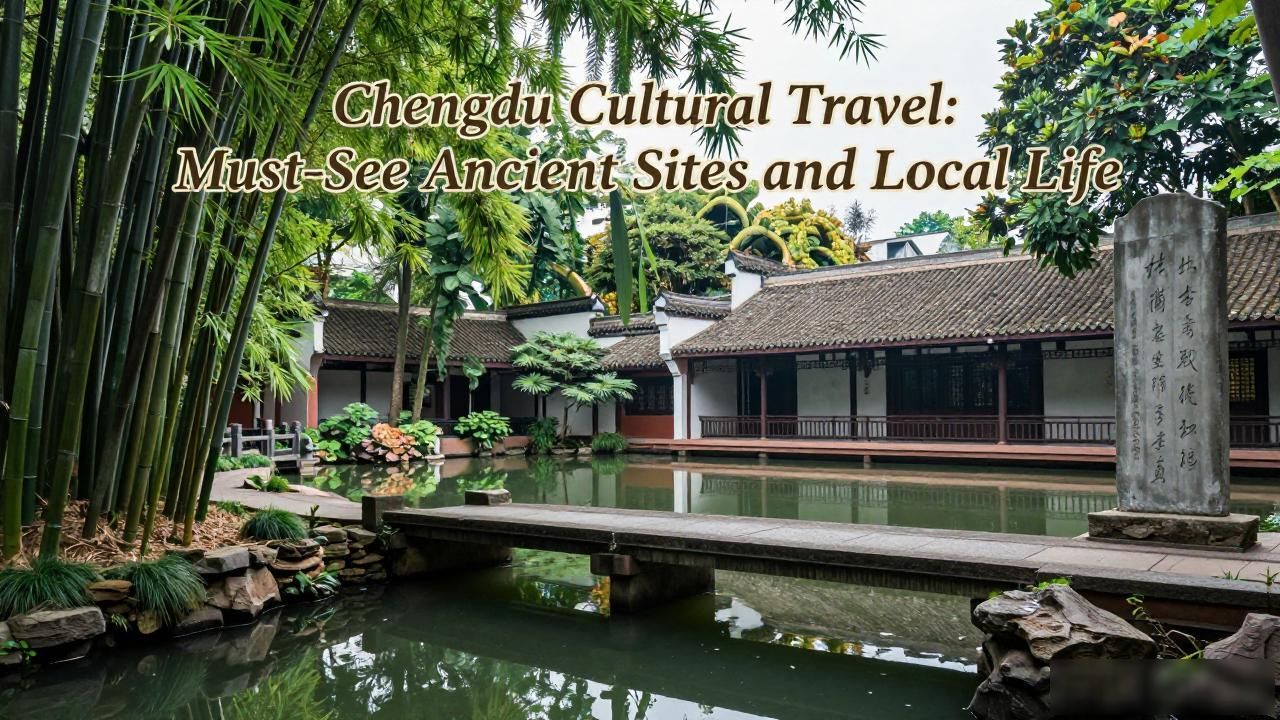
Finally, spend an afternoon at Dufu’s Thatched Cottage. This is the former home of Du Fu, one of China’s greatest poets. The garden is peaceful, with bamboo groves, ponds, and stone bridges. You can read his poems carved on stone tablets. It is a reminder that Chengdu has inspired artists for over a thousand years.
Chengdu’s cultural exploration is about slowing down and paying attention. The city rewards those who take time to sit, watch, and listen. Whether it is a teahouse, a temple, or a street corner, every place has a story.