
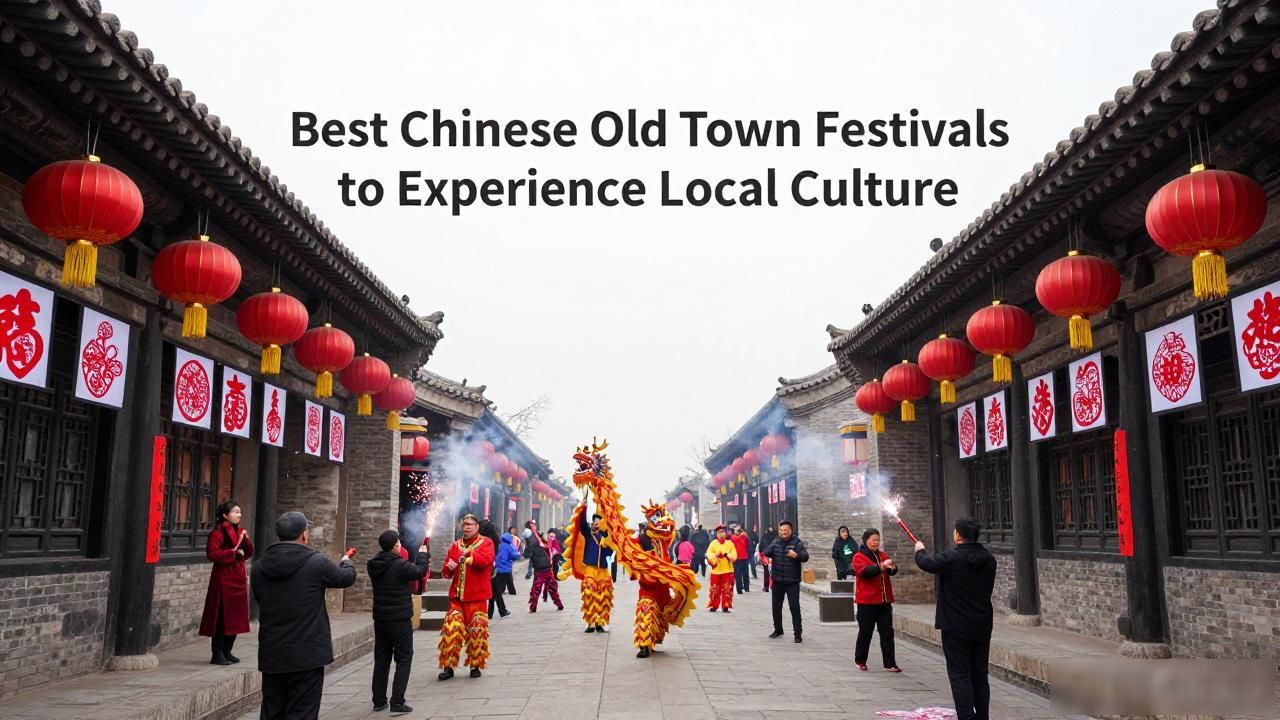
Old town festivals in China offer a vivid glimpse into the country’s rich cultural heritage, blending ancient traditions with modern celebrations. These events are not just parades or performances—they are living expressions of history,community, and local identity. From lantern-lit streets to dragon dances, each festival tells a unique story.
What makes old town festivals in China so special

The charm of old town festivals lies in their authenticity. Unlike commercialized events, these festivals are deeply rooted in local customs and often date back centuries. For example, the Pingyao Ancient City hosts the Chinese New Year celebrations with traditional firecrackers, paper-cutting workshops, and temple fairs. Visitors can walk through narrow cobblestone streets lined with Ming and Qing dynasty architecture, while locals in costume reenact ancient ceremonies.
Another standout is the Lijiang Old Town Festival in Yunnan, where Naxi ethnic music and dance fill the air. The festival highlights the Dongba culture, one of the world’s oldest living pictographic scripts. Tourists can join hands-on activities like making traditional Naxi embroidery or tasting local butter tea. These experiences go beyond sightseeing—they allow you to step into a living museum.
Water towns like Zhouzhuang and Wuzhen hold lantern festivals during the Mid-Autumn Festival. Thousands of handmade lanterns float on canals, reflecting off ancient stone bridges. Local families gather to share mooncakes and tell folklore, creating a warm, intimate atmosphere. It’s a rare chance to see how festival traditions are passed down through generations.
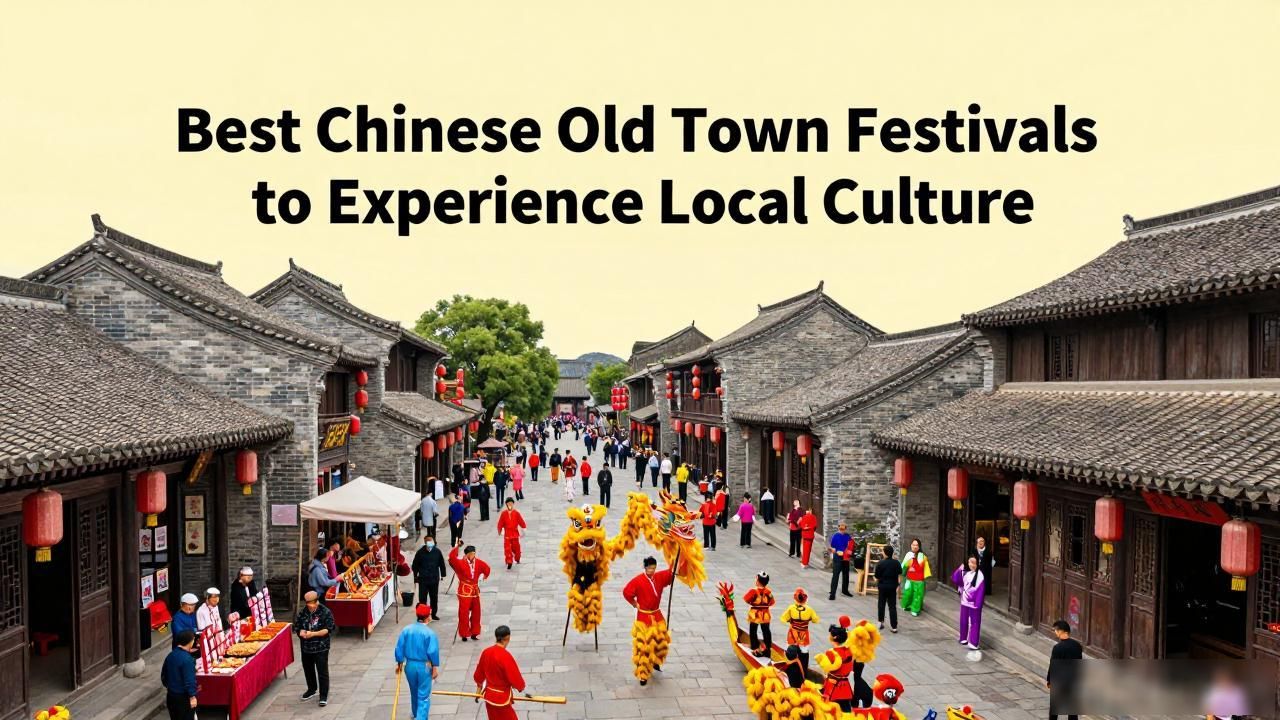
How to plan your visit to an old town festival in China
Timing is everything. Most old town festivals follow the lunar calendar, so dates change yearly. The Spring Festival (Chinese New Year) is the biggest, but smaller towns also celebrate unique events like the Dragon Boat Festival in Fenghuang Ancient Town, where locals race colorful boats on the Tuojiang River. Booking accommodation months in advance is essential, as old towns have limited hotels and guesthouses.
Transportation can be tricky. Many ancient towns are not near major airports, so consider high-speed trains or buses. For example, getting to Hongcun Village in Anhui requires a train to Huangshan and then a local bus. Once there, walking is the best way to explore, but wear comfortable shoes—cobblestone streets can be uneven.
Don’t forget to respect local customs. During festivals, many old towns hold rituals like ancestor worship or temple blessings. Dress modestly and ask permission before taking photos of ceremonies. Also, try the street food—it’s often a highlight. In Chengdu’s Jinli Old Street, the Lantern Festival features spicy hotpot and sugar-painted figurines that are as delicious as they are photogenic.
Old town festivals in China are not just events—they are gateways to understanding a culture that values history, community, and celebration. Whether you’re watching a fire dragon dance in Huanglongxi or lighting a sky lantern in Xitang, these experiences will stay with you long after the music fades.