
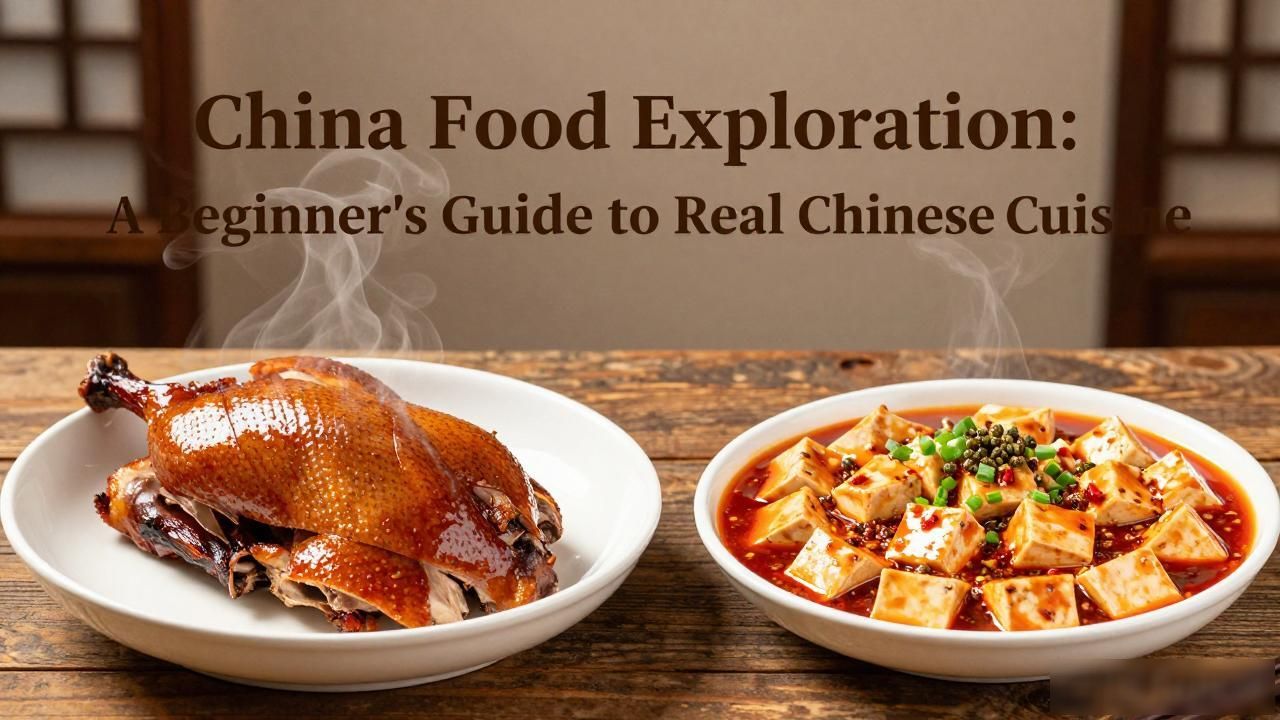
Chinese food is far more than the takeout boxes and sweet sauces many foreigners are used to. In reality, China’s culinary landscape is incredibly diverse, shaped by thousands of years of history, regional climates, and local traditions. Exploring Chinese food means stepping into a world where flavors range from fiery Sichuan peppercorns to delicate Cantonese broths, and where every province has its own signature dishes. This guide will help you navigate the real China food exploration, focusing on what to try and where to start.

What dishes should you try first when exploring Chinese food
If you are new to Chinese cuisine, the sheer variety can feel overwhelming. The best approach is to start with the most iconic and widely loved dishes. Peking duck is a must-try, with its crispy skin and tender meat wrapped in thin pancakes with hoisin sauce. Another essential is mapo tofu, a Sichuan classic that balances numbing spice with silky tofu. For something lighter,try Cantonese dim sum, which includes steamed dumplings, buns, and rice rolls served in small portions. These dishes are not only delicious but also represent different regional cooking styles. When you visit a local restaurant in China, look for places that specialize in one type of cuisine, such as a hot pot joint or a noodle shop. This focus often means better quality and authenticity. Street food is also a fantastic entry point. Items like jianbing (savory crepes), skewered lamb, and baozi (steamed buns) are cheap, quick, and packed with flavor. They give you a real taste of everyday Chinese eating habits.
How can you find authentic food experiences beyond tourist spots
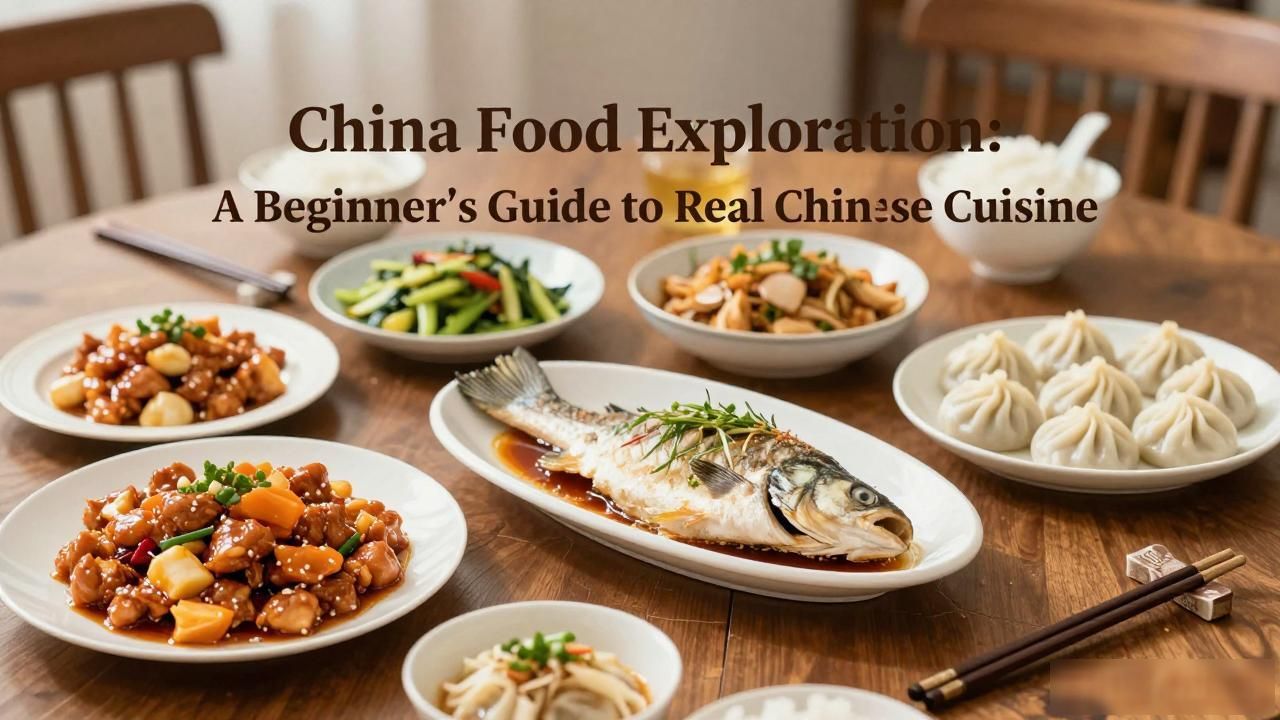
Many travelers end up eating at restaurants near hotels or popular attractions, which often serve bland, adapted versions of Chinese food. To truly explore Chinese food, you need to go where locals go. One reliable method is to use food apps like Dianping, which is similar to Yelp but more popular in China. Look for places with high ratings and lots of reviews from Chinese users. Another tip is to visit local wet markets. These markets are the heart of Chinese food culture, where you can see fresh produce, live seafood, and unusual ingredients. You can also find small food stalls inside or nearby that serve freshly made noodles, dumplings, or congee. Don’t be afraid to try something unfamiliar, like stinky tofu or chicken feet. These dishes may seem strange at first, but they are deeply rooted in local food traditions. Also, consider joining a food tour led by a local guide. They can take you to hidden gems and explain the stories behind the dishes. This approach not only enriches your understanding but also ensures you eat safely and confidently.
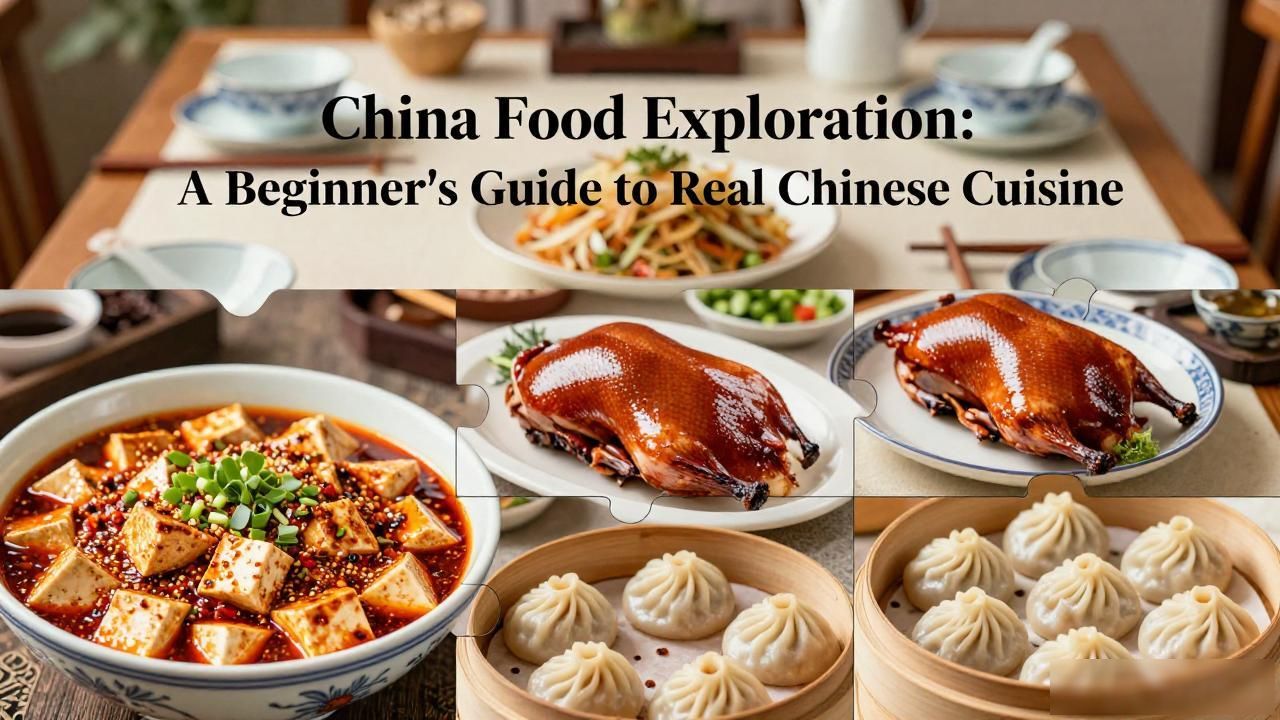
Exploring Chinese food is a journey that rewards curiosity and an open mind. The more you try, the more you will appreciate the complexity and depth of this ancient cuisine. Whether you are eating in a bustling night market or a family-run restaurant, every meal tells a story about the people and the place. So grab your chopsticks and start your own China food exploration today.