
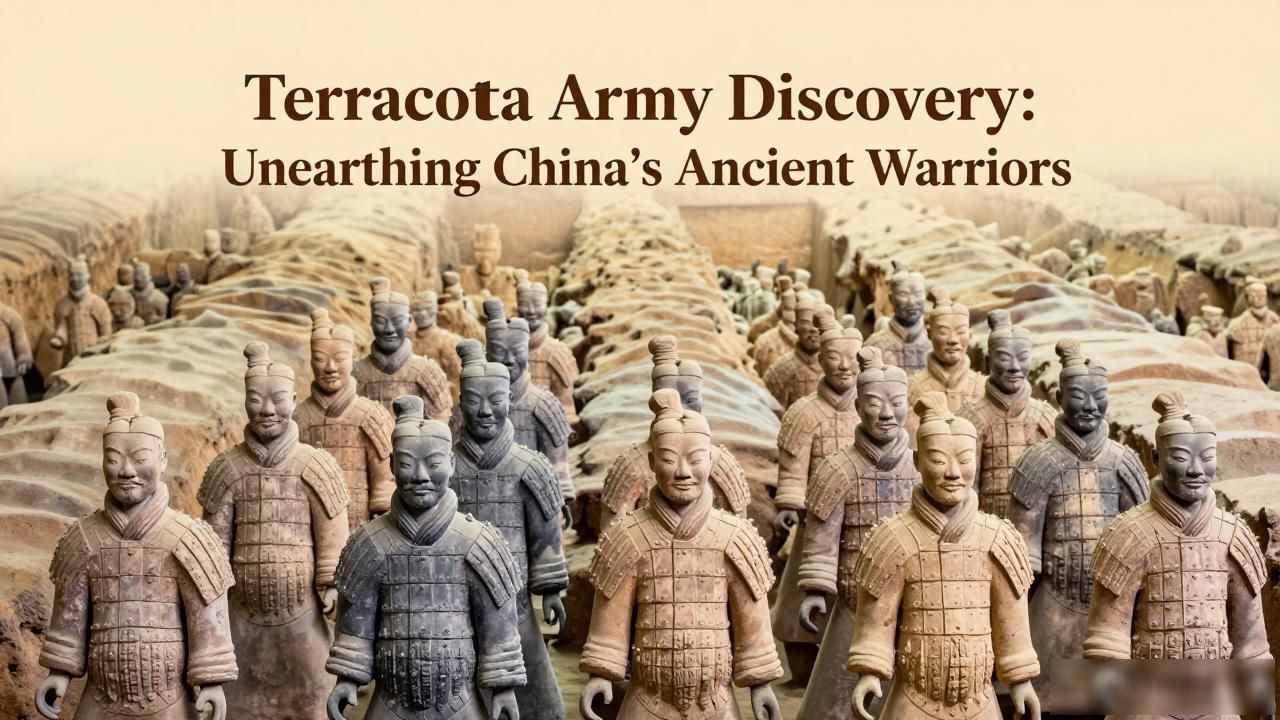
The Terracotta Army, one of the most extraordinary archaeological finds of the 20th century, continues to captivate historians, archaeologists, and travelers alike. Discovered in 1974 near Xi’an, China, this vast collection of life-sized soldiers, horses,and chariots was buried with China’s first emperor, Qin Shi Huang, over 2,000 years ago. It offers a rare glimpse into ancient Chinese culture, military organization, and imperial ambition.
What Makes the Terracotta Army Discovery So Fascinating?

The sheer scale of the Terracotta Army is staggering. Thousands of unique warriors, each with distinct facial expressions and armor designs, were meticulously crafted to protect the emperor in the afterlife. The craftsmanship reflects advanced techniques for the time, from intricate pottery work to realistic detailing. What makes this discovery even more remarkable is that it was accidentally uncovered by local farmers digging a well, highlighting how history can reveal itself in unexpected ways.
Another fascinating aspect is the mystery surrounding the army’s purpose. While it is widely believed to be a funerary art piece meant to safeguard Qin Shi Huang in the afterlife, some theories suggest it may have also served as a symbolic representation of the emperor’s military might. The inclusion of archers, infantry, and cavalry units further underscores the complexity and strategic planning behind its creation.
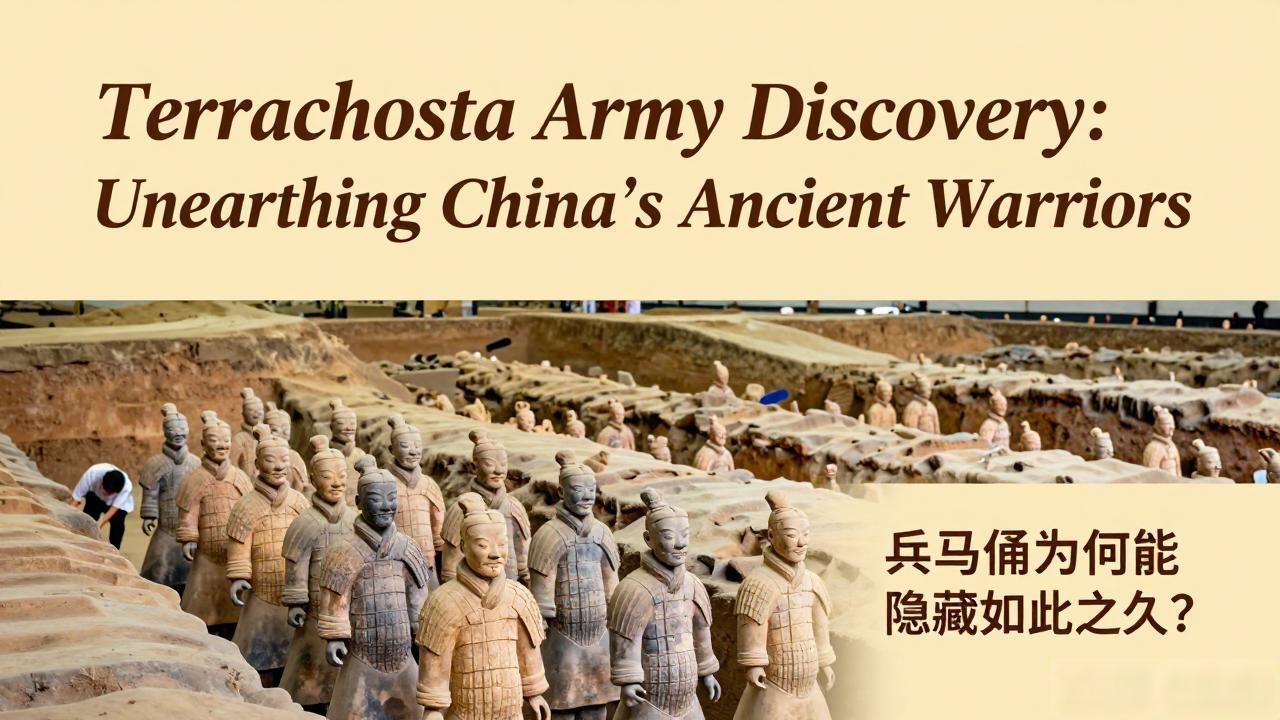
How Did the Terracotta Army Stay Hidden for So Long?
The army remained hidden for centuries due to its location deep underground, shielded from looters and natural elements. The site was sealed off after the emperor’s death, and over time, the surrounding area was forgotten. It wasn’t until modern excavation began in the 1970s that the full scope of the discovery became apparent. Preservation challenges, such as the rapid deterioration of colors and materials upon exposure to air, have added another layer of intrigue to the story.
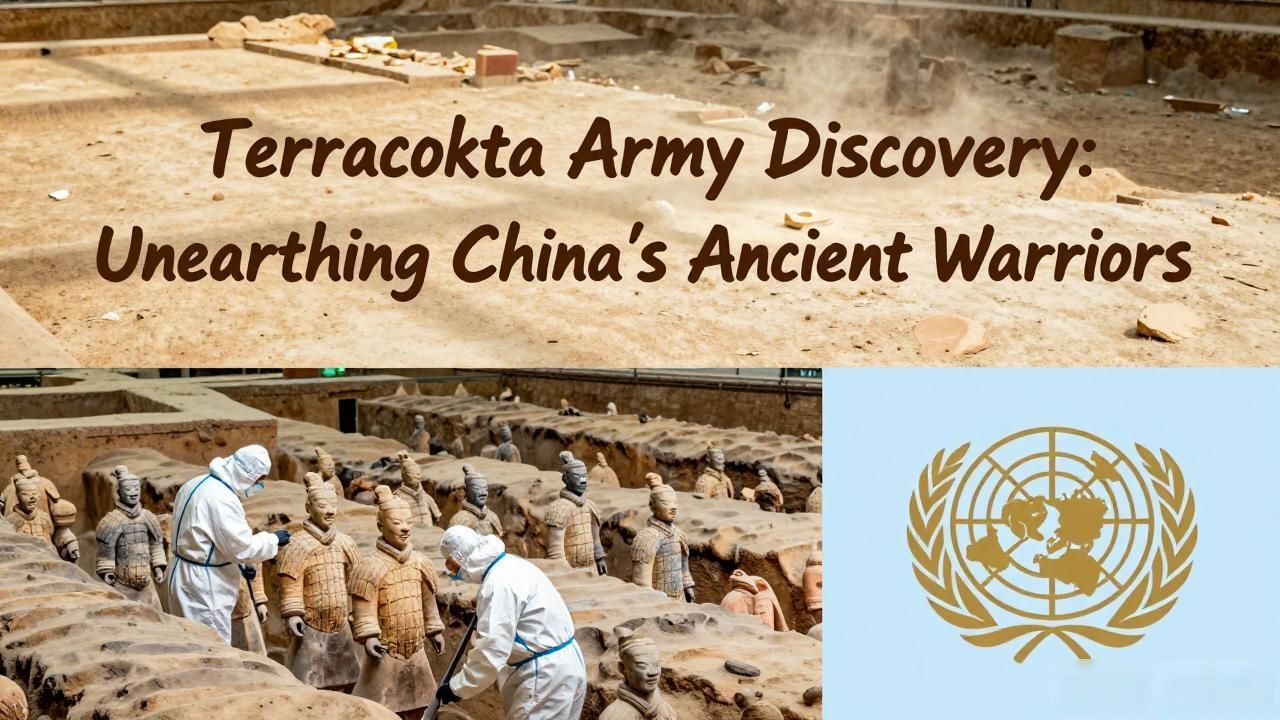
Today, the Terracotta Army is not only a UNESCO World Heritage Site but also a global symbol of ancient Chinese civilization. Its discovery has reshaped our understanding of Qin Shi Huang’s reign and the technological prowess of early imperial China. For anyone interested in history, archaeology, or cultural heritage, this site remains an awe-inspiring testament to human ingenuity and ambition.