
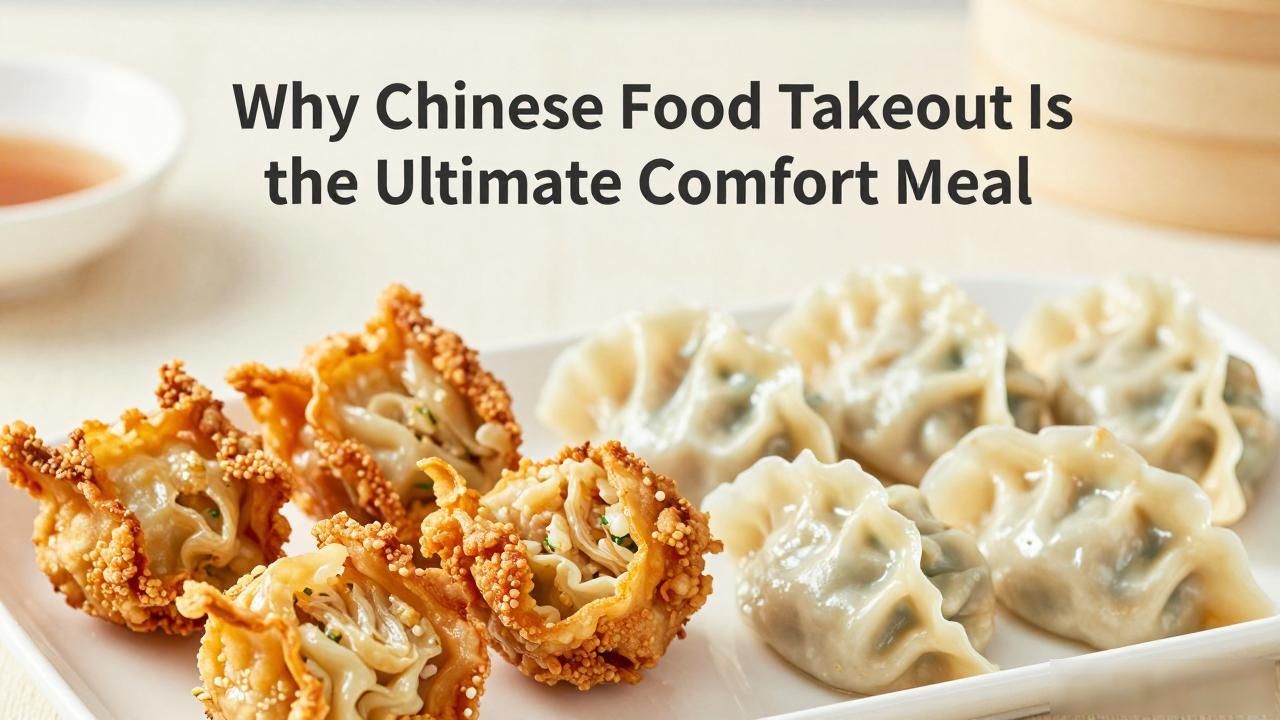
There is a specific kind of magic in the steam rising from a bag of takeout. For many, especially those living abroad or simply too tired to cook after a long day, Chinese food takeout represents more than just sustenance; it is a cultural anchor and a universal comfort. It bridges the gap between exotic flavor profiles and familiar ease. Whether you are craving the numbing spice of Sichuan pepper or the savory depth of soy-based sauces, this cuisine offers a versatility that few other culinary traditions can match. The appeal lies not only in the taste but in the communal nature of sharing dishes and the sheer convenience of having a restaurant-quality meal delivered to your doorstep.
What makes Chinese takeout so addictive

The secret often lies in the balance of textures and flavors that hit every palate simultaneously. You get the crunch of fried wontons alongside the softness of steamed dumplings, or the tenderness of slow-braised pork contrasting with fresh, crisp vegetables. This variety keeps the experience exciting and prevents palate fatigue. Furthermore, the use of umami-rich ingredients like dried shrimp, mushrooms, and fermented bean pastes creates a depth of flavor that feels hearty and satisfying. It is this complexity disguised as simplicity that hooks people, making them return for another box of General Tso’s chicken or Mapo tofu.
Another factor is the adaptability of the cuisine to local tastes while maintaining its core identity. In many Western countries, Chinese food has evolved to suit regional preferences, creating hybrid dishes that are uniquely beloved. However, the traditional roots remain strong enough to provide an authentic escape. The quick cooking methods, such as stir-frying, preserve the vibrant colors and nutrients of the ingredients, ensuring that the food feels fresh rather than heavy. This freshness is crucial for a takeout meal, which needs to hold up well during transport.
How to order like a local pro
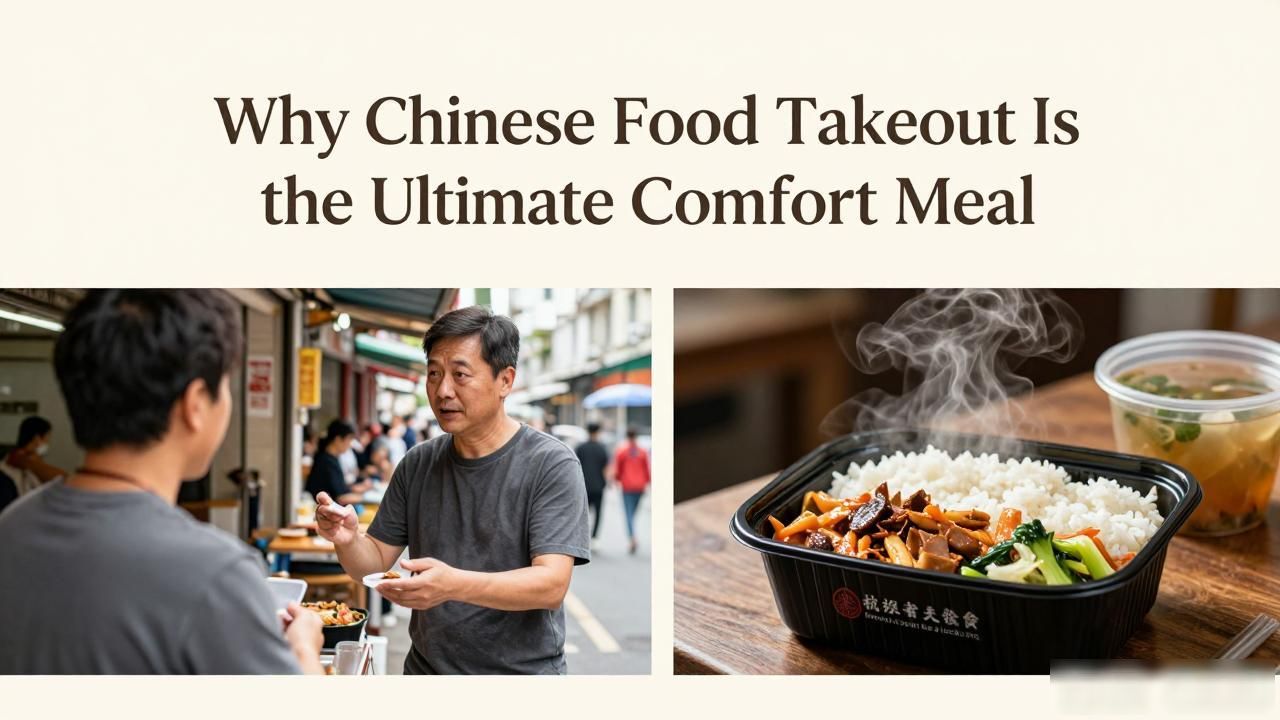
Navigating a Chinese menu can be daunting if you do not know where to start. A good strategy is to mix proteins with vegetables and carbohydrates to create a balanced plate. Ordering a few small dishes to share allows you to sample a wider range of flavors without committing to one heavy entree. Look for dishes that mention “dry pot” or “stir-fried” for robust flavors, or “steamed” for lighter options. Understanding the difference between sweet and sour varieties can also help you choose based on your mood—whether you want something tangy and refreshing or rich and savory.
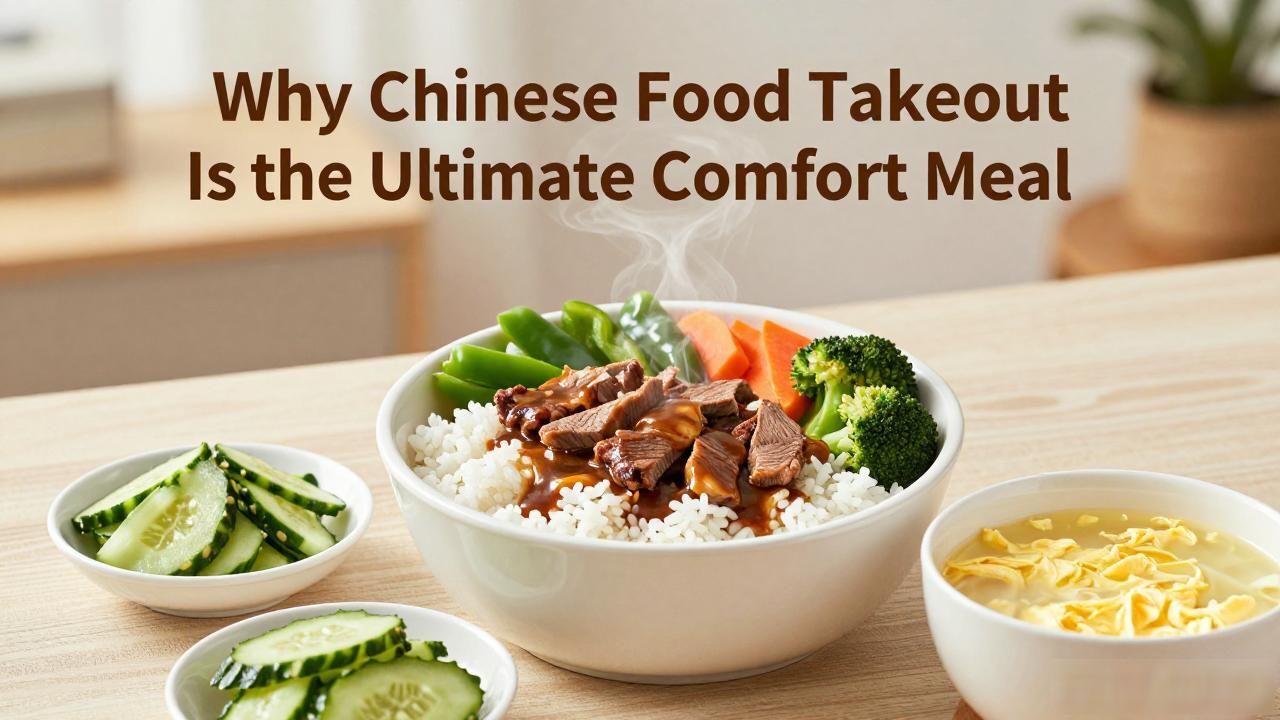
Don’t forget the importance of rice or noodles. They act as the canvas for the sauces, soaking up the delicious juices from the meat and vegetables. Many people overlook the side dishes, but items like cold cucumber salad or egg drop soup can cleanse the palate and add variety to the meal. Finally,consider the timing. Chinese takeout is often best enjoyed immediately to appreciate the crispiness of fried elements. If you must store leftovers, reheat them in a pan rather than a microwave to restore some of the lost texture.