
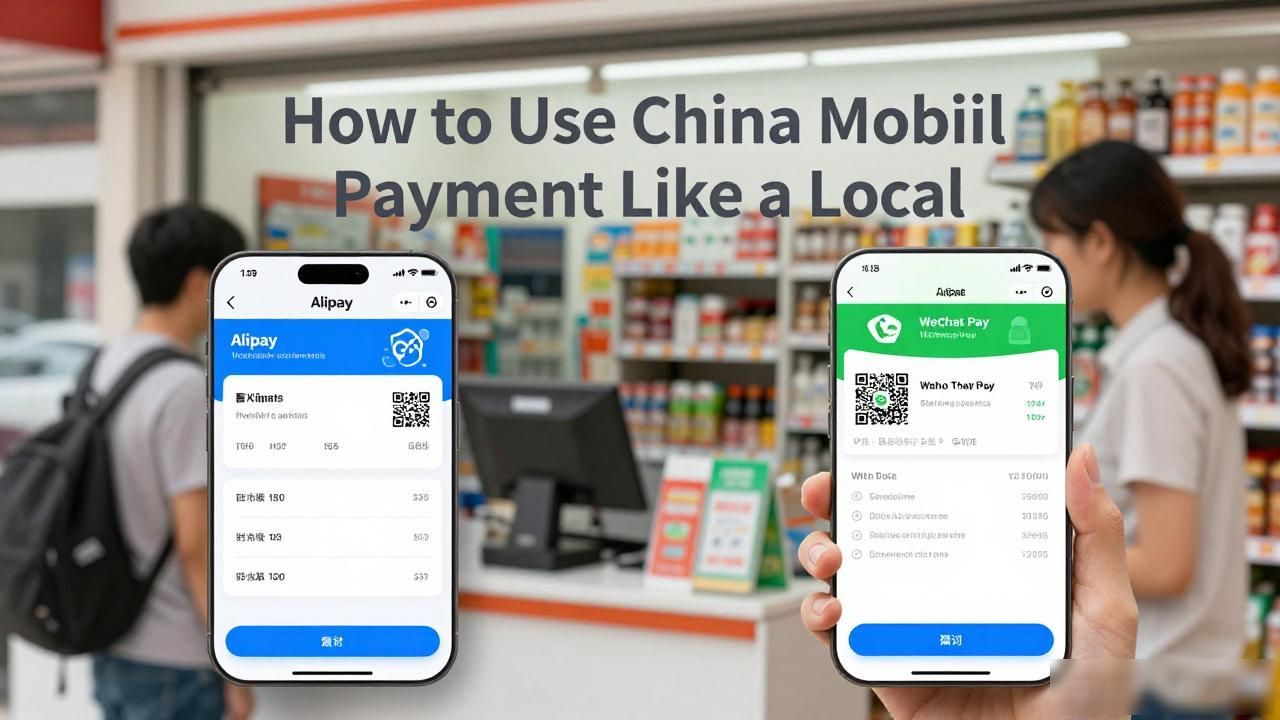
Living in China without understanding digital wallets is like walking into a party where everyone speaks a language you don’t know. China mobile payment has completely reshaped daily life, turning the smartphone into an all-in-one tool for everything from buying street food to paying luxury bills. For foreigners, this transition can feel overwhelming at first, but once mastered, it offers unparalleled convenience and speed that traditional banking simply cannot match.
How to Set Up Alipay and WeChat Pay

The two giants dominating this space are Alipay and WeChat Pay. While they operate differently, both require linking an international credit card to function seamlessly for tourists and expats. Alipay often feels more intuitive for non-Chinese speakers due to its robust English interface and dedicated “Tour Card” feature, which acts as a prepaid card funded by your foreign bank account. WeChat, being a super-app for social networking, integrates payments directly into chat history, making it essential if you need to split bills with friends or pay small vendors who prefer QR codes over formal receipts.
Setting up these apps involves scanning your passport and linking a Visa or Mastercard. The process is generally smooth,though some smaller vendors might still require cash for very low-value transactions. It is crucial to verify that your linked cards allow international online transactions before arriving. Linking your international card correctly ensures smooth transactions across various platforms, preventing awkward moments when you try to pay for your morning coffee or subway ride.
Navigating Daily Transactions and Safety Tips
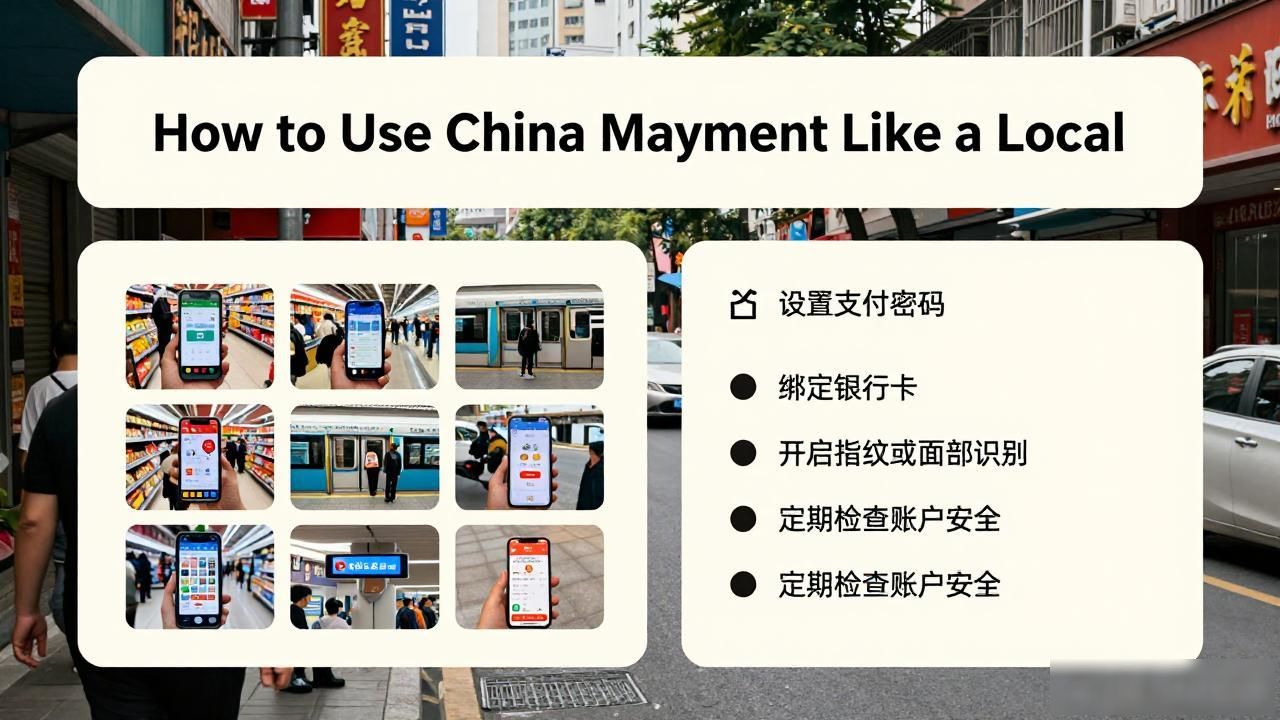
Once set up, using mobile payment is as simple as scanning a QR code or letting the vendor scan yours. This method works everywhere, from high-end malls to roadside noodle stalls. However, vigilance is key. Scams involving fake QR codes placed over legitimate ones have been reported, so always double-check the merchant’s name on your screen before confirming a payment. Additionally, be mindful of your phone’s battery life; a dead phone means no wallet. Carrying a power bank is not just convenient; it is a necessity for uninterrupted mobility.
Privacy concerns are also valid. These platforms collect significant data on your habits. While this allows for personalized services and credit scoring, it means your financial footprint is extensive. Using separate devices or clearing cache regularly can help manage digital clutter. Despite these minor hurdles, the efficiency of China mobile payment systems reduces the need to carry physical cash, minimizing the risk of theft and simplifying budget tracking through app histories. Embracing this technology opens doors to a smoother, more integrated experience in Chinese society.
The tip about carrying a power bank as an absolute necessity is so spot-on—in a society where your phone is literally your wallet, ID, and transit pass, a dead battery stops your day completely! I also appreciate the realistic safety warning regarding fake QR codes over legitimate merchant stands. For those who frequently use Alipay or WeChat Pay, do you find yourselves relying more on merchant-scanned barcodes or self-scanned QR codes when making everyday purchases at small street stalls?”
CREDITORURAL