
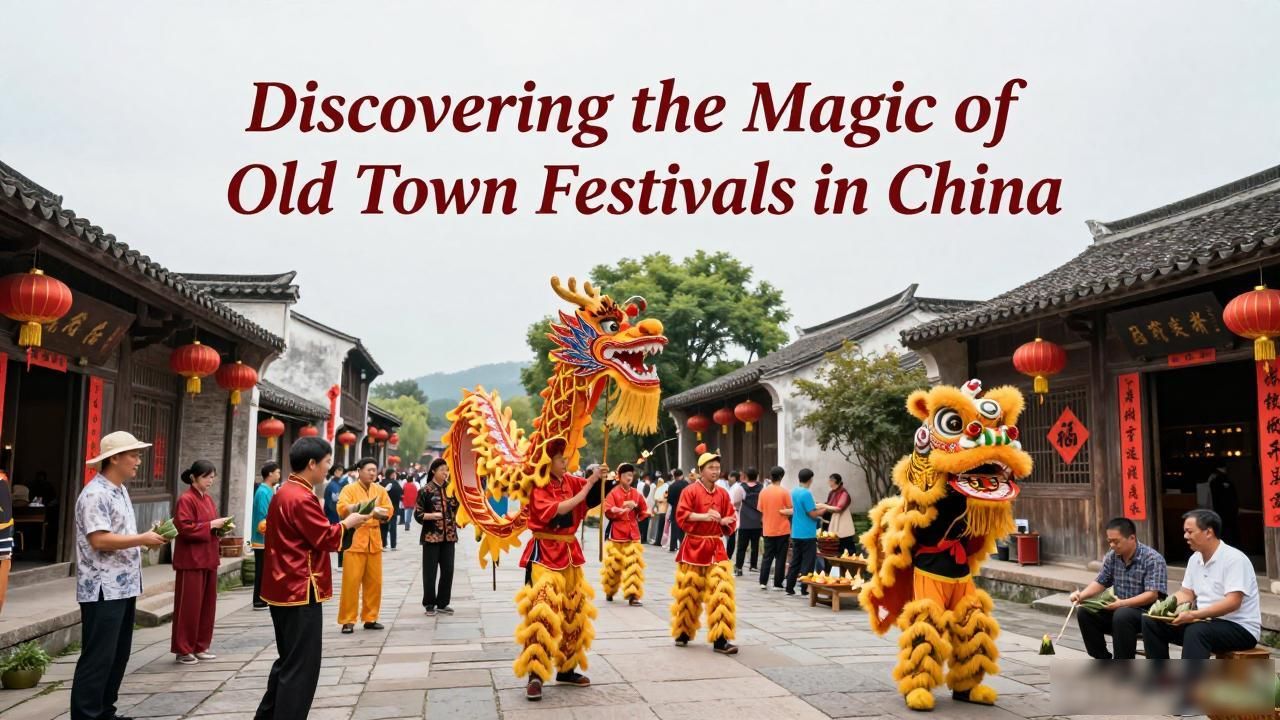
China’s ancient towns are not just museums of stone and wood; they are living, breathing entities that pulse with rhythm during their annual festivals. For travelers seeking more than a passive sightseeing experience, these events offer a raw,vibrant immersion into centuries-old traditions. From the lantern-lit nights of Pingyao to the dragon dances in Wuzhen, the energy is palpable, transforming quiet cobblestone streets into stages for community celebration. Understanding what to expect helps turn a simple visit into a memorable cultural encounter.
What makes old town festivals in china unique?

Unlike modern city celebrations that often feel commercialized or disconnected from daily life, festivals in historic towns are deeply rooted in local identity. They are usually tied to lunar calendars, agricultural cycles, or specific historical figures revered by the community. You will see generations of locals dressing in traditional attire, preparing food using ancestral recipes, and performing rituals that have remained largely unchanged for hundreds of years. The atmosphere is intimate and authentic, allowing visitors to witness genuine cultural continuity rather than staged performances for tourists.
The setting itself plays a crucial role. These festivals take place within well-preserved architectural landscapes—narrow alleys, ancient gates, and serene canals. When fireworks explode over a Song Dynasty bridge or lion dancers weave through a Ming-era courtyard, the visual impact is stunning. It is not just about the event but how it harmonizes with the environment. Travelers often find that the combination of historic architecture and folk customs creates a sense of time travel, offering a perspective on Chinese history that textbooks cannot provide.
How to plan your visit to chinese old town festivals?
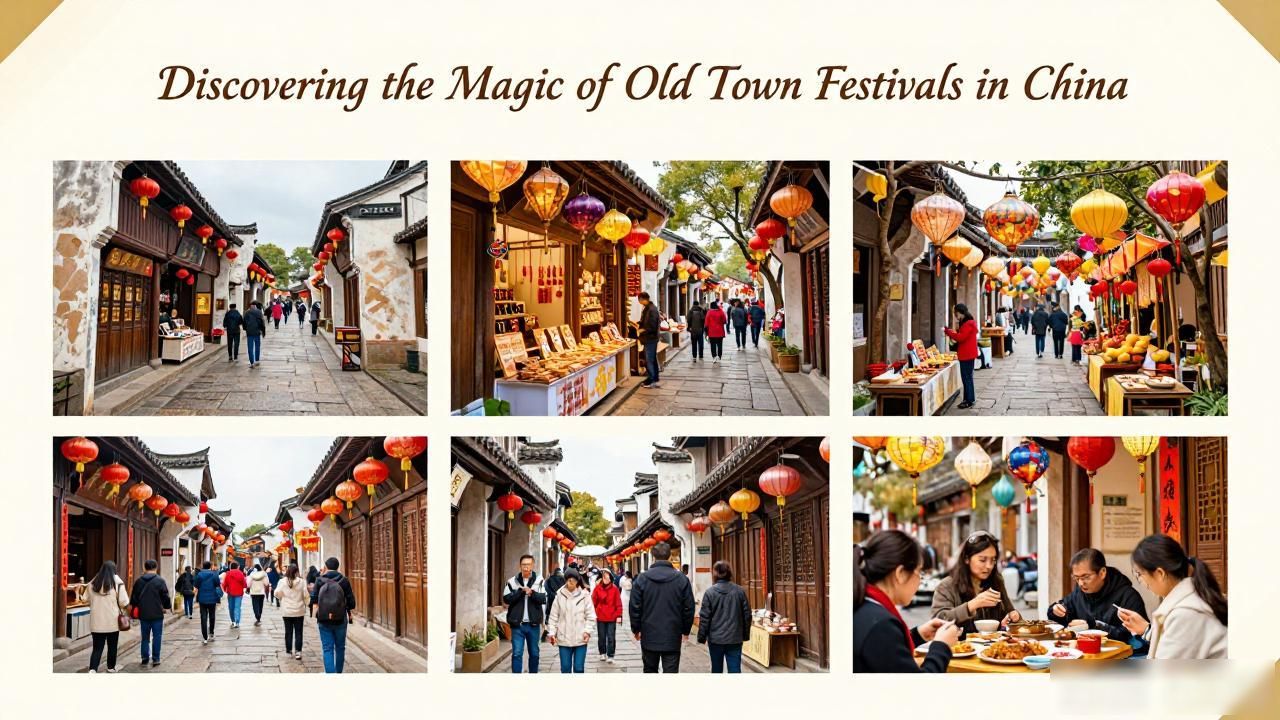
Timing is everything, as most major festivals occur during specific lunar months, typically around Spring Festival, Lantern Festival, or Duanwu (Dragon Boat) Festival. Planning ahead is essential because accommodations fill up quickly, especially in popular destinations like Lijiang, Xitang, or Fenghuang. Booking hotels months in advance ensures you do not miss out on experiencing the peak festivities. Additionally, checking the lunar calendar for the exact dates prevents arriving when the town is quiet and the celebrations are over.
Beyond logistics, engaging with the local culture enhances the experience significantly. Learning a few basic phrases in Mandarin or the local dialect shows respect and often opens doors to warmer interactions. Many festivals involve participatory elements such as making lanterns, tasting festival-specific foods, or joining processions. Being open to spontaneous participation can lead to unforgettable moments, such as being invited into a local home for tea or sharing a meal with residents. This level of engagement transforms you from an observer into a temporary part of the community, making the journey far more rewarding than a typical holiday.