
Hot pot is more than just a meal; it is a social ritual centered around simmering broth and shared plates. For those new to the experience, navigating the spread of raw meats, vegetables, and noodles can feel overwhelming. The key lies in understanding the balance between protein richness and vegetable freshness. This guide breaks down the essential components that define a traditional hot pot experience, helping you build a plate that satisfies both curiosity and appetite.
What meats are best for hot pot?

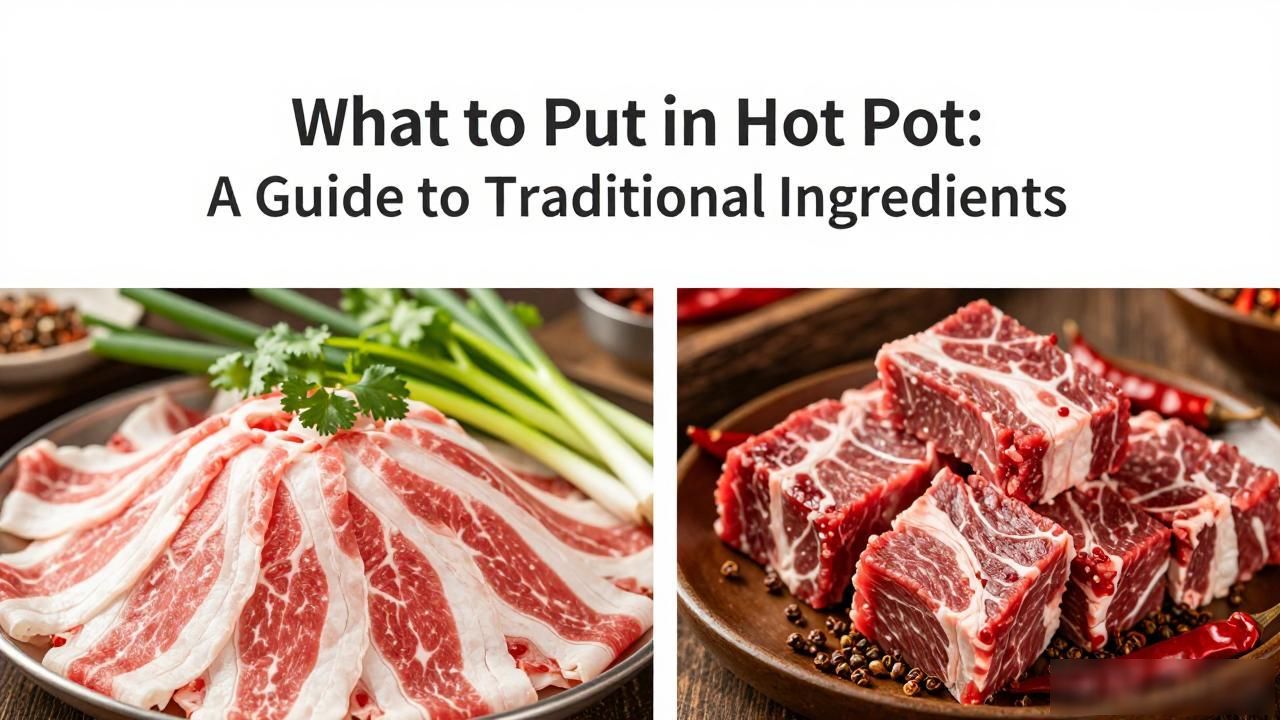
Thinly sliced lamb remains the cornerstone of many traditional setups, particularly in northern styles. The fat marbling melts quickly, adding a creamy texture to the broth without overpowering it. Beef, especially brisket or sirloin, offers a deeper flavor profile for those who prefer red meat over mutton. Slicing the meat ultra-thin ensures it cooks in seconds, retaining tenderness rather than turning tough or chewy.
Seafood adds a necessary layer of umami to the mix. Shrimp paste balls, fish fillets, and squid rings cook rapidly and absorb the surrounding flavors beautifully. Don’t overlook offal items like tripe or duck intestines if you are adventurous. These ingredients provide a crunchy texture contrast that complements the softness of the meats and vegetables.
Which vegetables and carbs complete the meal?
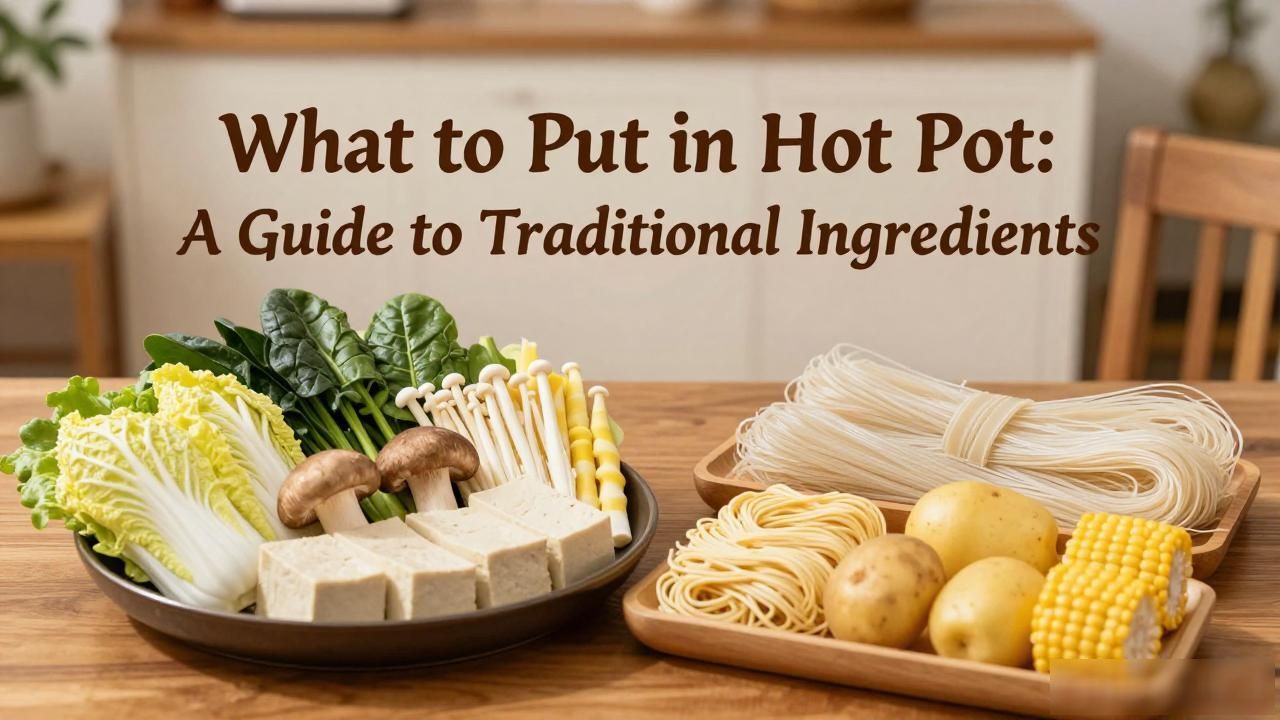
Leafy greens are non-negotiable for balancing the heaviness of the meats. Lettuce, spinach, and Chinese broccoli wilt quickly, releasing sweetness into the broth while absorbing some of the savory notes. Root vegetables like daikon radish and lotus root take longer to cook but offer a satisfying crunch and earthy flavor. Adding these early allows them to soften properly without becoming mushy.
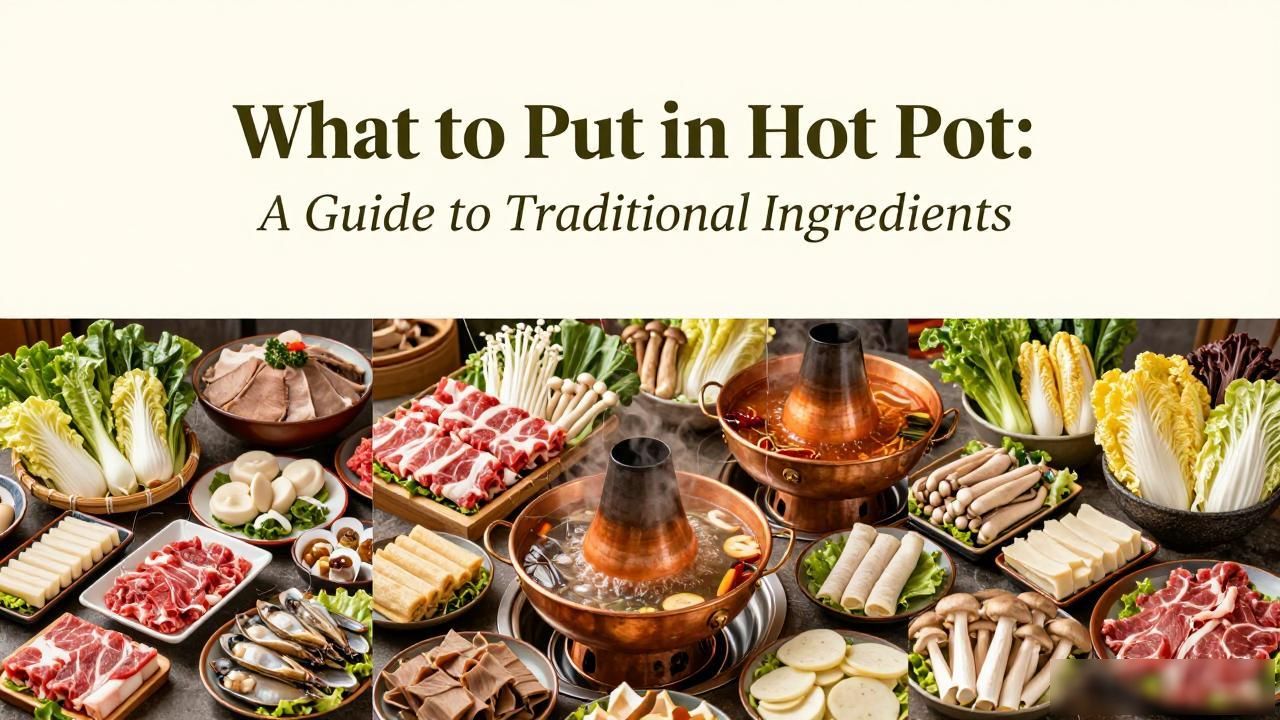
Carbohydrates round out the dining experience. Enoki mushrooms and tofu puffs act as sponges,soaking up the rich broth. Noodles vary by region; hand-pulled wheat noodles are common in Beijing-style hot pot, while glass noodles made from mung bean starch are popular in southern variations. Finish your meal with a bowl of these starchy elements to ensure no flavorful broth goes to waste.