
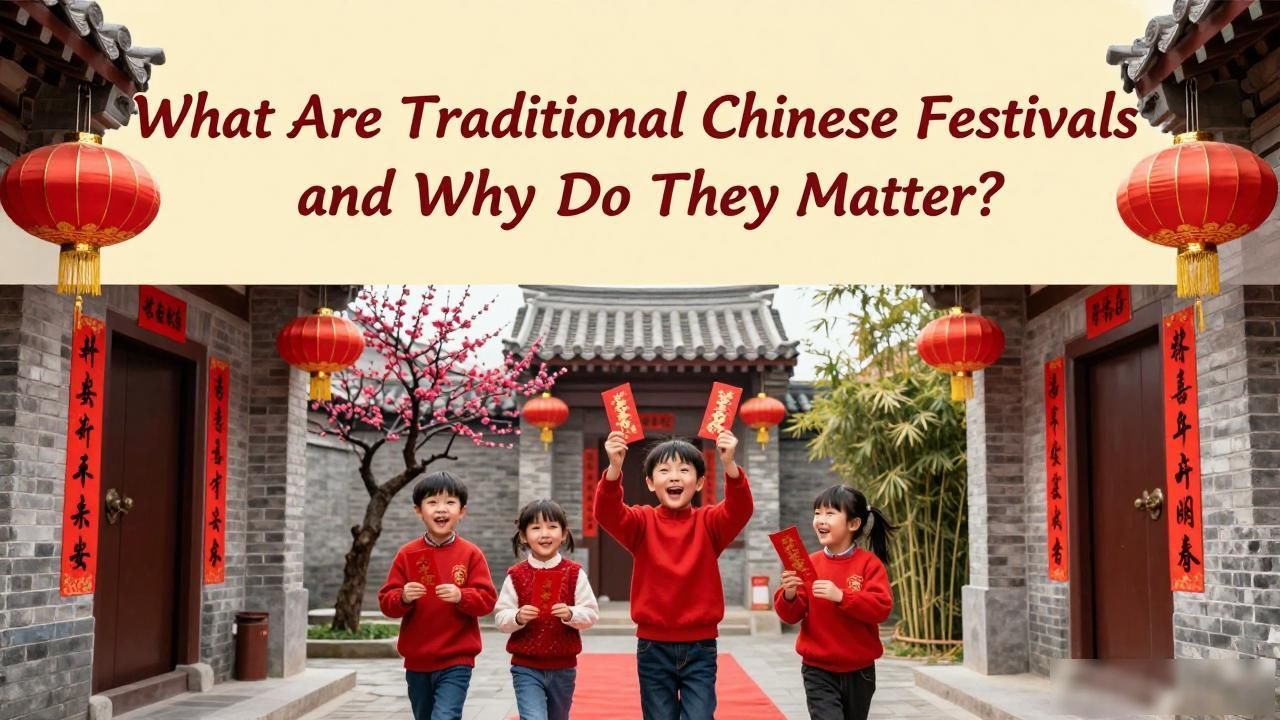
China’s calendar is painted with vibrant celebrations that have endured for millennia. These are not merely holidays; they are the heartbeat of cultural identity, weaving together history, family bonds, and spiritual gratitude. For outsiders, understanding these events offers a window into the soul of a civilization that values harmony between humanity and nature. Each festival tells a story, marking seasonal shifts and honoring ancestors, creating a rhythm of life that is both ancient and deeply relevant today.
What Makes Spring Festival Unique?

The Lunar New Year, or Spring Festival, stands as the most significant celebration in the Chinese calendar. It marks the beginning of a new year according to the lunisolar calendar, typically falling between late January and mid-February. The atmosphere is electric with anticipation, characterized by red decorations symbolizing good fortune and the ubiquitous sound of firecrackers intended to ward off evil spirits. Families gather for a reunion dinner on New Year’s Eve, where dishes like fish represent abundance because the word for fish sounds like “surplus” in Chinese.
This period is also defined by the custom of giving red envelopes containing money to children and unmarried adults. It is a gesture of blessing and protection rather than mere gift-giving. The festivities last for fifteen days, culminating in the Lantern Festival, where illuminated riddles and rice balls called tangyuan reinforce themes of unity and completeness. The energy is palpable, transforming cities and villages alike into scenes of joyous chaos and communal warmth.
How Do Mid-Autumn and Dragon Boat Festivals Reflect Values?
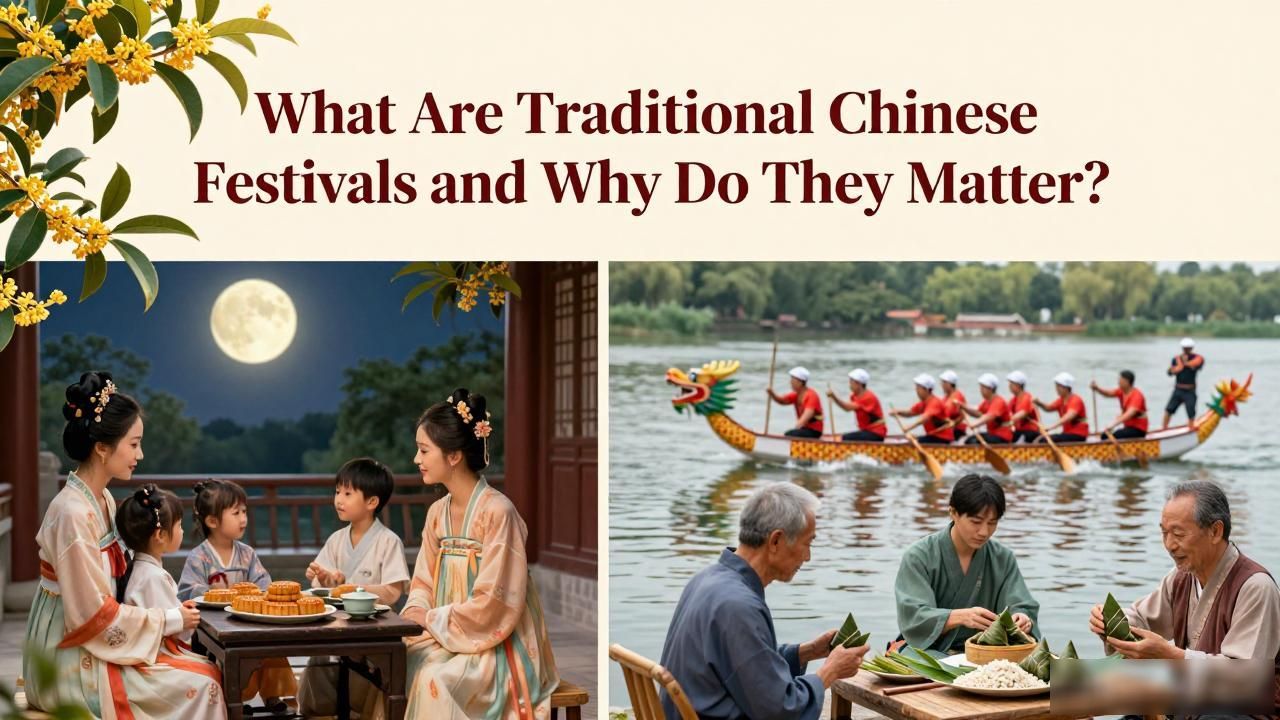
While Spring Festival opens the year, the Mid-Autumn Festival closes it with a focus on reflection and reunion. Held on the fifteenth day of the eighth lunar month, when the moon is at its fullest and brightest,this holiday centers on eating mooncakes. These dense pastries, often filled with lotus seed paste or red bean, are shared among family members to symbolize wholeness. Legend speaks of Chang’e, the moon goddess, adding a layer of poetic melancholy to the celebratory mood, reminding people of distance and longing even amidst togetherness.
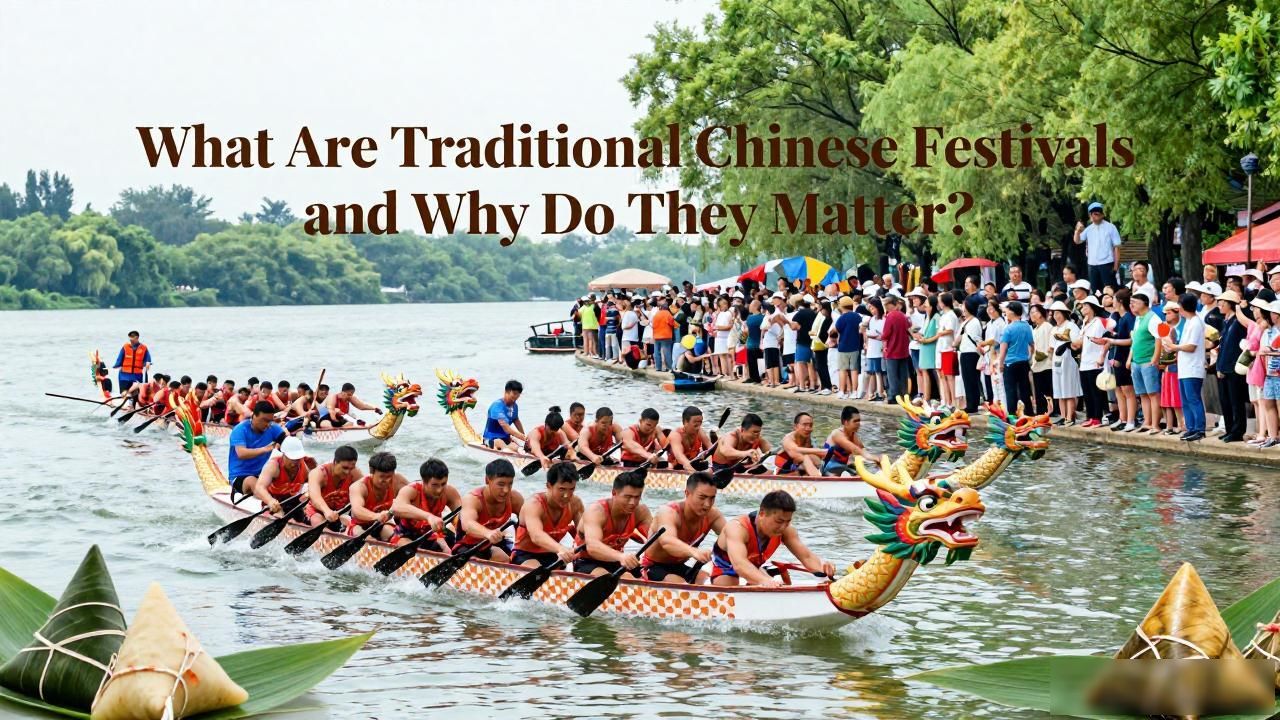
Conversely, the Dragon Boat Festival in early summer commemorates the patriotic poet Qu Yuan. It features thrilling dragon boat races on rivers and lakes, accompanied by the consumption of zongzi, sticky rice dumplings wrapped in bamboo leaves. Unlike the quiet reverence of Mid-Autumn, this festival is active and vigorous. It highlights community strength and historical memory. Together, these diverse celebrations illustrate a culture that balances introspection with outward expression, ensuring that traditions remain living practices rather than static museum pieces.