
Navigating the vast landscape of Chinese cuisine can feel overwhelming for anyone outside of China. It is not just about finding food that tastes good; it is about discovering where locals actually go versus where tourists end up. Many visitors settle for generic buffet-style restaurants that lack depth, missing out on the regional diversity that defines true culinary excellence. Understanding the distinction between chain establishments and independent family-run spots is crucial for an authentic experience. The goal is to find places that prioritize flavor profiles,fresh ingredients, and traditional cooking methods over mass production.
What are the best local noodle shops?

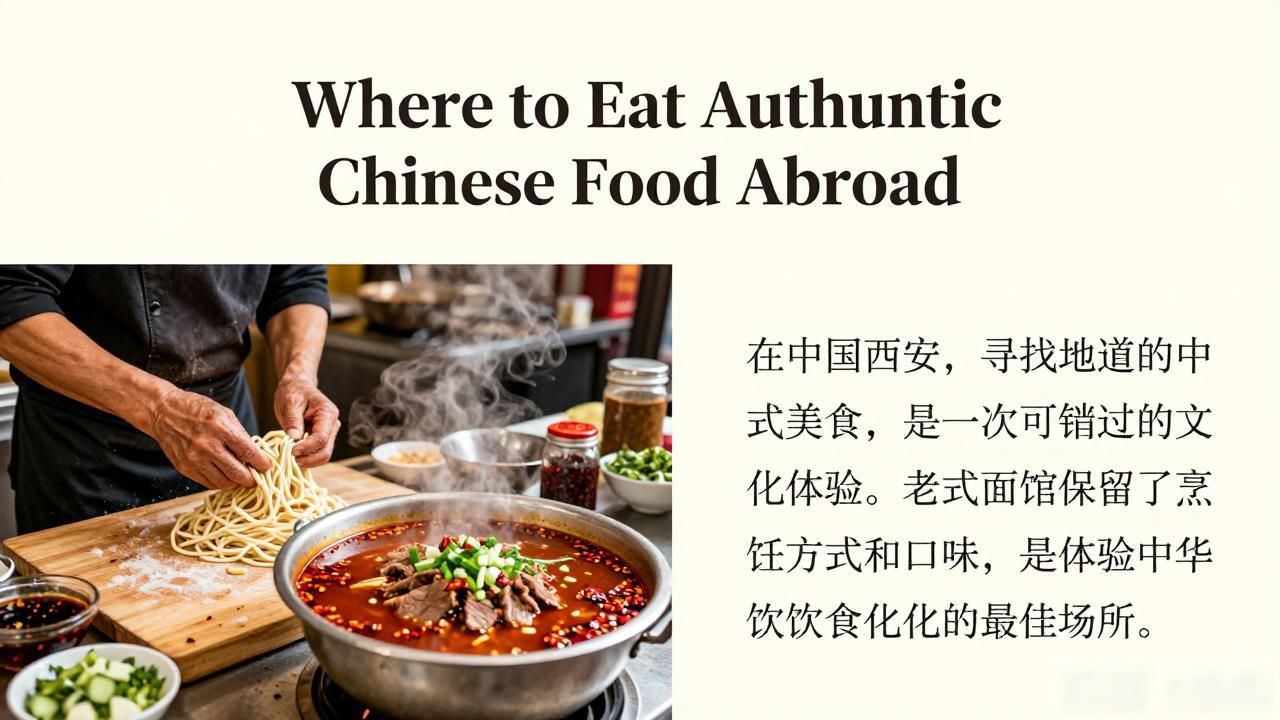
Street-side noodle houses often offer the most intense flavors because they specialize in specific techniques. In cities like Xi’an, you will find small eateries serving hand-pulled noodles with spicy beef broth that have been operating for decades. These places rarely have English menus, but the visual cues of the busy kitchen and the queue of locals speak volumes. The texture of the noodles here is distinct, offering a chewiness that pre-packaged versions simply cannot replicate.
Authenticity thrives in these unpretentious settings. You might encounter communal seating and a fast-paced service style that feels chaotic to outsiders but efficient to regulars. The key is to observe what the staff recommends and follow the crowd. Ordering a bowl of lamian or biangbiang noodles allows you to taste the regional history embedded in every strand. It is a raw, unfiltered connection to the culture through food.
Where can I find dim sum and Cantonese specialties?
For those seeking refined dishes, Cantonese restaurants remain the gold standard for many international diners. Dim sum brunches are a social institution, requiring early arrival to secure a table at popular venues. The variety of steamed dumplings, roasted meats, and pastries showcases the meticulous craftsmanship of Cantonese chefs. Unlike heavy stir-fries, these dishes highlight the natural sweetness of ingredients without overpowering sauces.
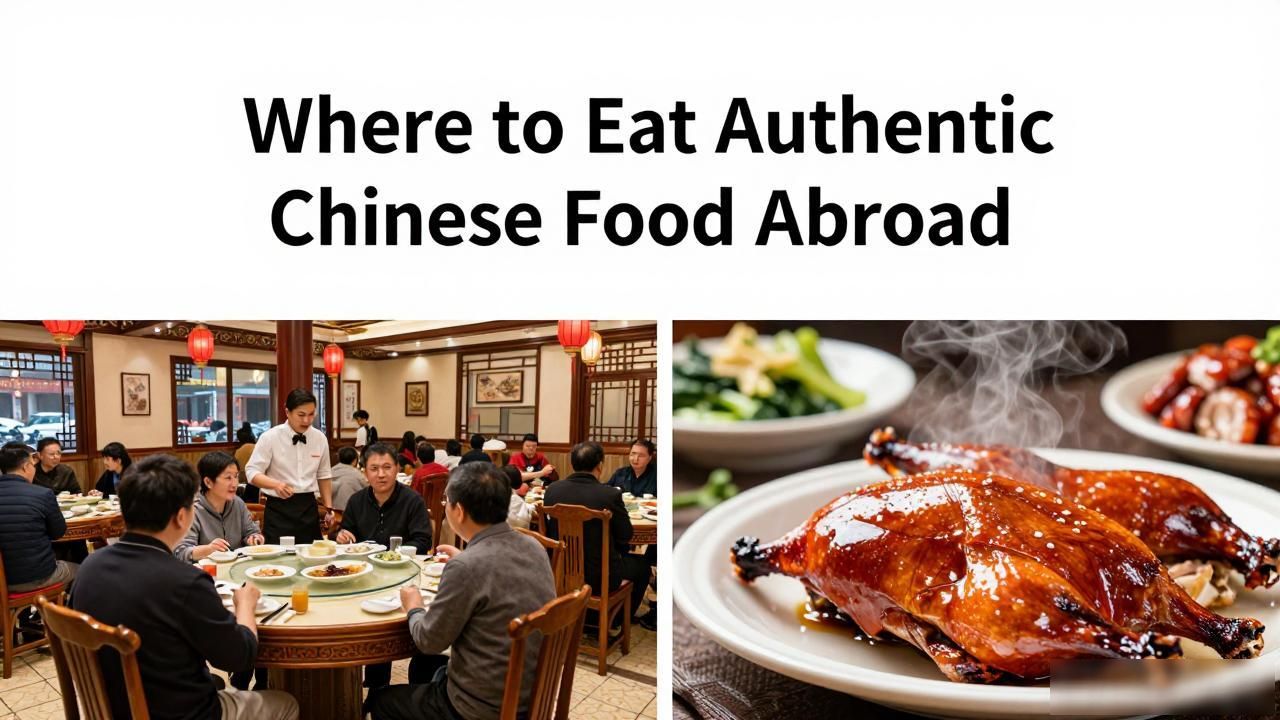
Family-owned banquet halls often excel in this category. They maintain recipes passed down through generations, ensuring consistency in taste. You should look for places with a high turnover of customers, indicating fresh preparation. Roast goose or char siu pork served here tends to be crispier and more flavorful than mass-produced alternatives. Exploring these neighborhoods offers a glimpse into the daily lives of Chinese expatriates and their commitment to preserving their culinary heritage.