
Most travelers flock to Wuhan for cherry blossoms or Beijing for the iconic peach blooms, but these crowded hotspots often obscure the true depth of China’s spring floral diversity. The country’s vast geography creates microclimates where unique species burst into color long before or after the mainstream seasons. By venturing off the beaten path, we discover regions where nature remains uncommercialized, offering an intimate connection with flora that has evolved in isolation. This approach shifts the focus from sightseeing to experiencing the raw beauty of seasonal transitions in their most pristine forms.
Where to Find Rare Spring Blossoms in China

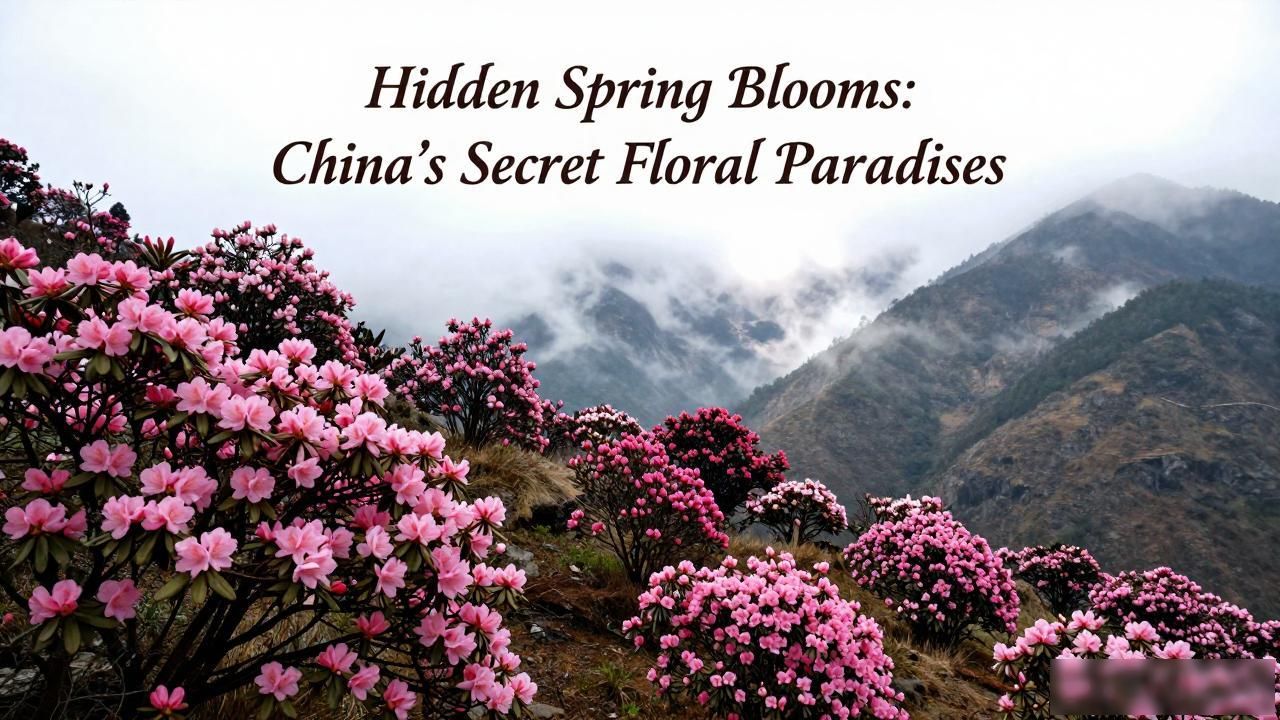
The journey begins in the rugged terrain of Yunnan Province, specifically around Dali and Lijiang. Here, the alpine azaleas paint the mountainsides in vibrant hues during early spring, creating a spectacle that rivals any Japanese garden. These high-altitude flowers thrive in cooler temperatures, blooming when coastal areas are still recovering from winter chill. Local communities have preserved these landscapes, ensuring that the environment remains undisturbed by mass tourism. Travelers can hike through ancient forests,encountering wild rhododendrons that have stood for centuries, witnessing a living history written in petals and leaves.
Further north, the deserts of Xinjiang offer a starkly different floral experience. The apricot blossoms of Kuqa flourish along the edge of the Taklamakan Desert, creating a surreal contrast between white-pink blooms and arid sands. This region is rarely visited by international tourists, allowing for a serene exploration of these hardy trees. The blossoms signal the arrival of spring in a place where winter lingers longer, providing a fragile yet resilient beauty. Exploring these oasis towns reveals a cultural tapestry woven with agricultural traditions that honor the land’s harsh climate.
Why Lesser-Known Floral Spots Matter for Travelers
Choosing obscure destinations supports sustainable tourism practices that benefit local economies rather than large corporate entities. In places like Guizhou’s minority villages, the blooming of rapeseed flowers and plum blossoms drives small-scale hospitality businesses. Visitors stay in family-run guesthouses, buy handmade crafts, and participate in local festivals, fostering genuine cultural exchange. This model ensures that the preservation of natural heritage is economically viable for residents, encouraging them to protect their environment against industrial encroachment.
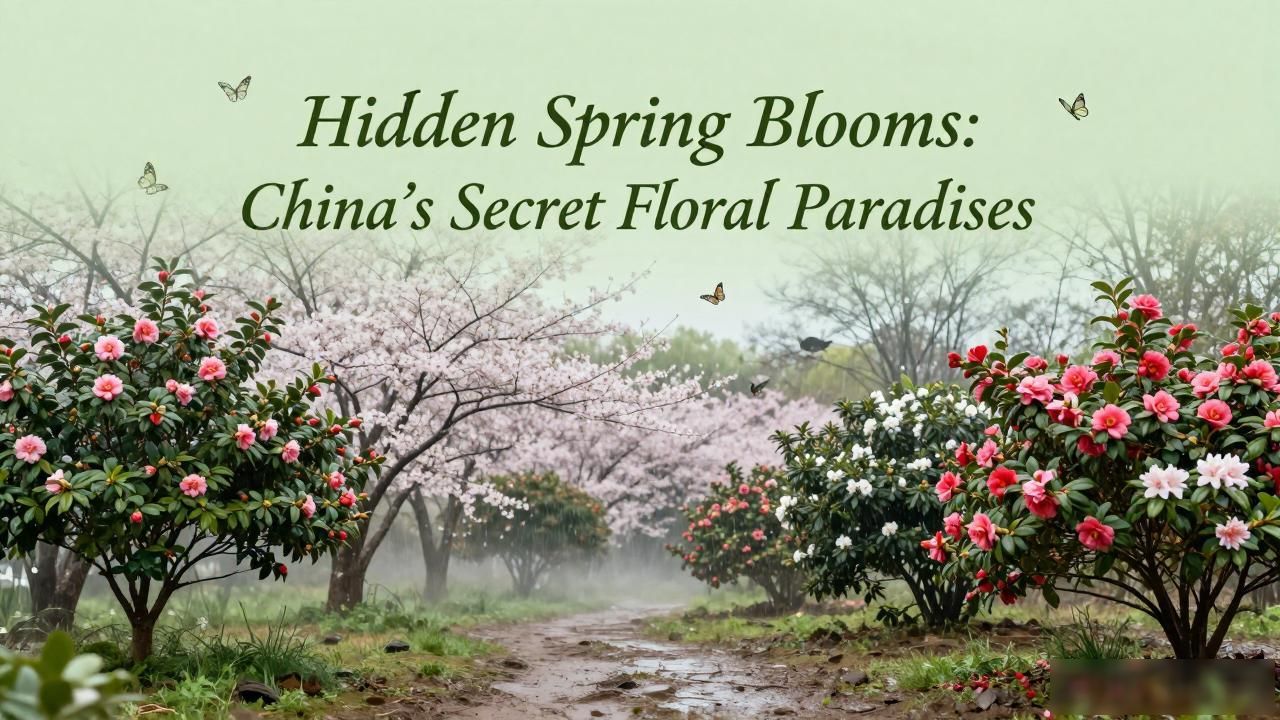
Moreover, these quieter locations offer a mental respite from the relentless pace of modern life. Without the noise of tour groups and crowded viewpoints, one can truly absorb the sensory details of spring—the scent of damp earth, the sound of wind through branches, and the visual harmony of color gradients. It is a chance to slow down and appreciate the transient nature of life, mirrored in the short-lived beauty of the blossoms themselves. For those seeking authenticity over convenience, these hidden gardens provide a profound reminder of nature’s quiet power.