
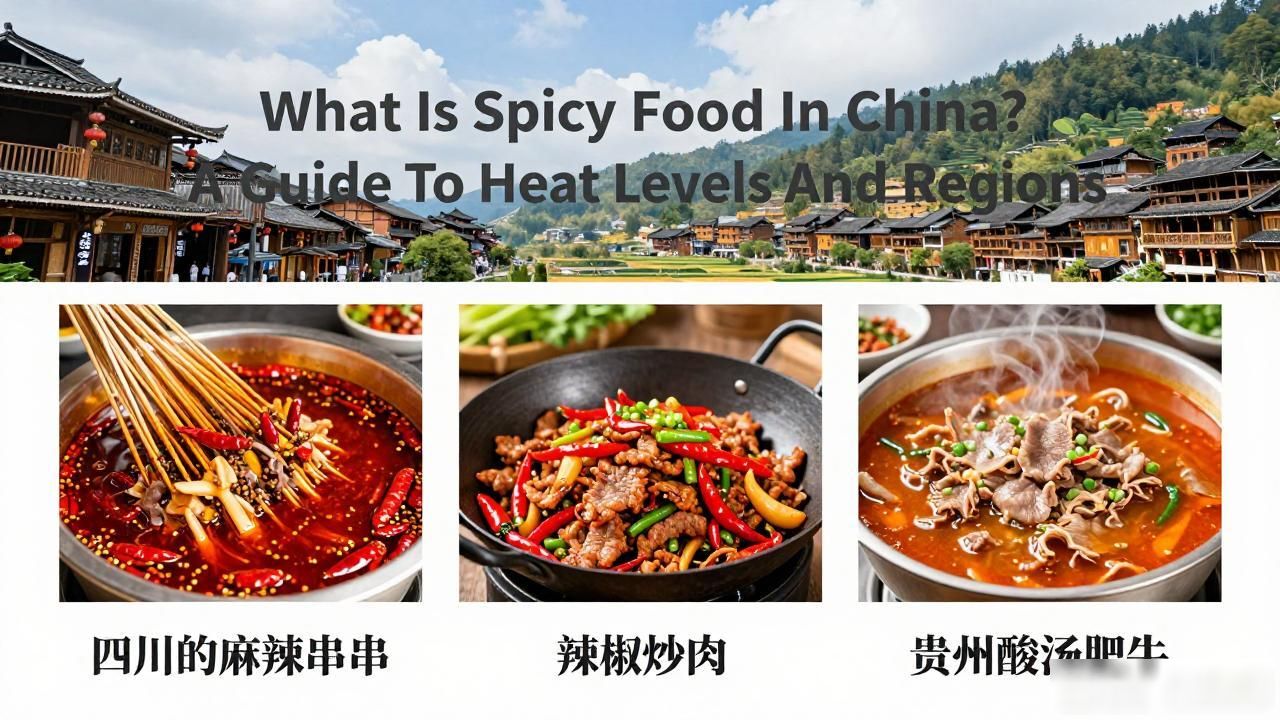
China’s approach to “spicy” is often misunderstood by Westerners who equate heat solely with chili peppers. In reality, it is a complex culinary philosophy involving numbing sensations, fermented depths, and regional pride. For travelers and food enthusiasts, navigating this landscape requires more than just bravery; it needs cultural context. The experience transforms from simple pain into a layered aromatic journey, where the goal is balance rather than just intensity. This guide breaks down the essential regions and helps you understand what to expect when ordering in major cities.
How Different Are Spicy Regions In China

The map of Chinese spice is not uniform. It splits sharply between the dry, fiery heat of Sichuan and Hunan, and the sour, fresh heat of Guizhou. Sichuan cuisine, famous globally, relies on mala—a combination of chili oil and Sichuan peppercorns that creates a tingling numbness on the tongue. This unique sensation distracts from the burn, allowing diners to enjoy rich, oily dishes like Mapo Tofu without being overwhelmed. It is an addictive, vibrating heat that lingers.
Hunan cuisine takes a different, more direct path. Here, the spice is sharp, pungent, and often fresh. Dishes like Chairman Mao’s Red Braised Pork feature heavy use of chopped chilies and garlic. The heat hits immediately and stays hot, reflecting the humid climate of the region which traditionally helped people sweat out dampness. Unlike the oily numbness of the west, Hunan spice is clean,aggressive, and deeply savory.
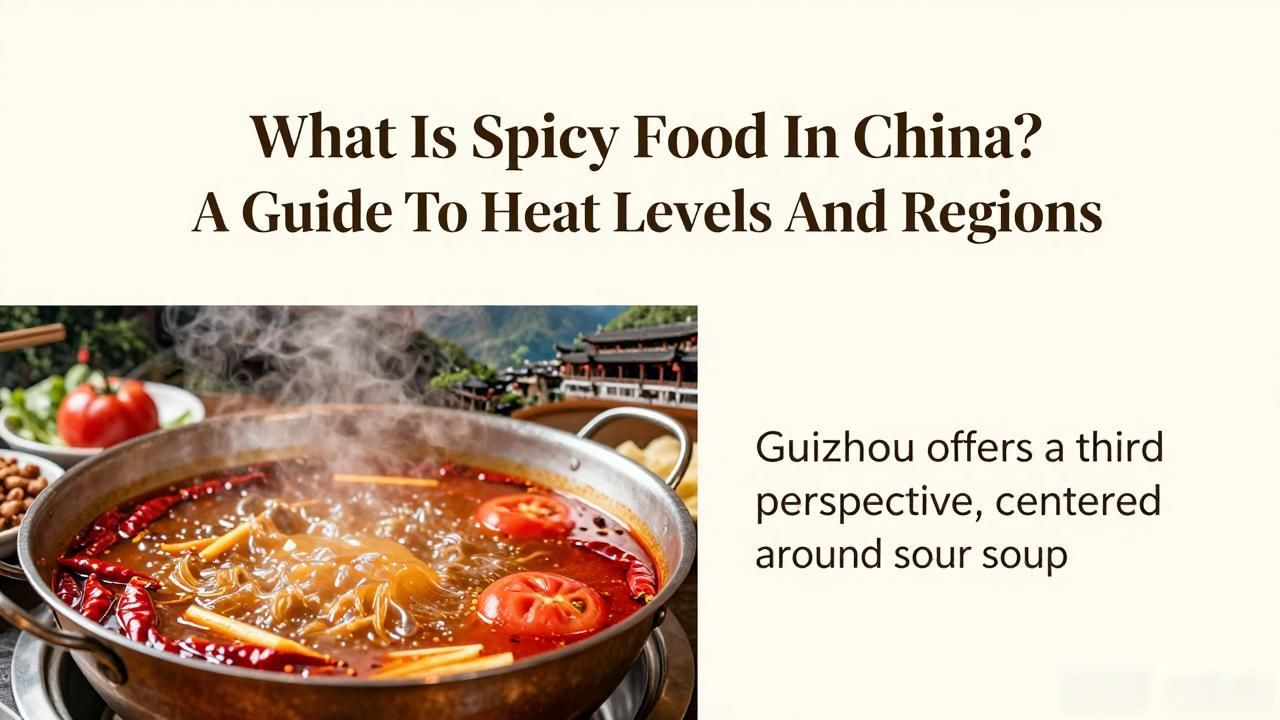
Guizhou offers a third perspective, centered around sour soup. The spice here is often derived from fermented peppers and tomatoes, creating a bright, acidic profile. It is less about burning and more about stimulating appetite. This variety proves that “spicy” in China is a spectrum. Understanding these regional differences prevents shock and allows for a much richer dining experience. You might find Sichuan too numbing or Hunan too harsh until you taste them in their proper context.
What Should Tourists Eat And How To Order
Starting with mild options is crucial for those unaccustomed to high heat levels. Dishes like Kung Pao Chicken or Dan Dan Noodles offer flavor without extreme punishment. These are safe entry points that introduce the complexity of spices without overwhelming the palate. Many restaurants now cater to international guests, offering adjustable spice levels. However, the default setting in many local eateries can still be quite potent. Always clarify your preference before ordering.
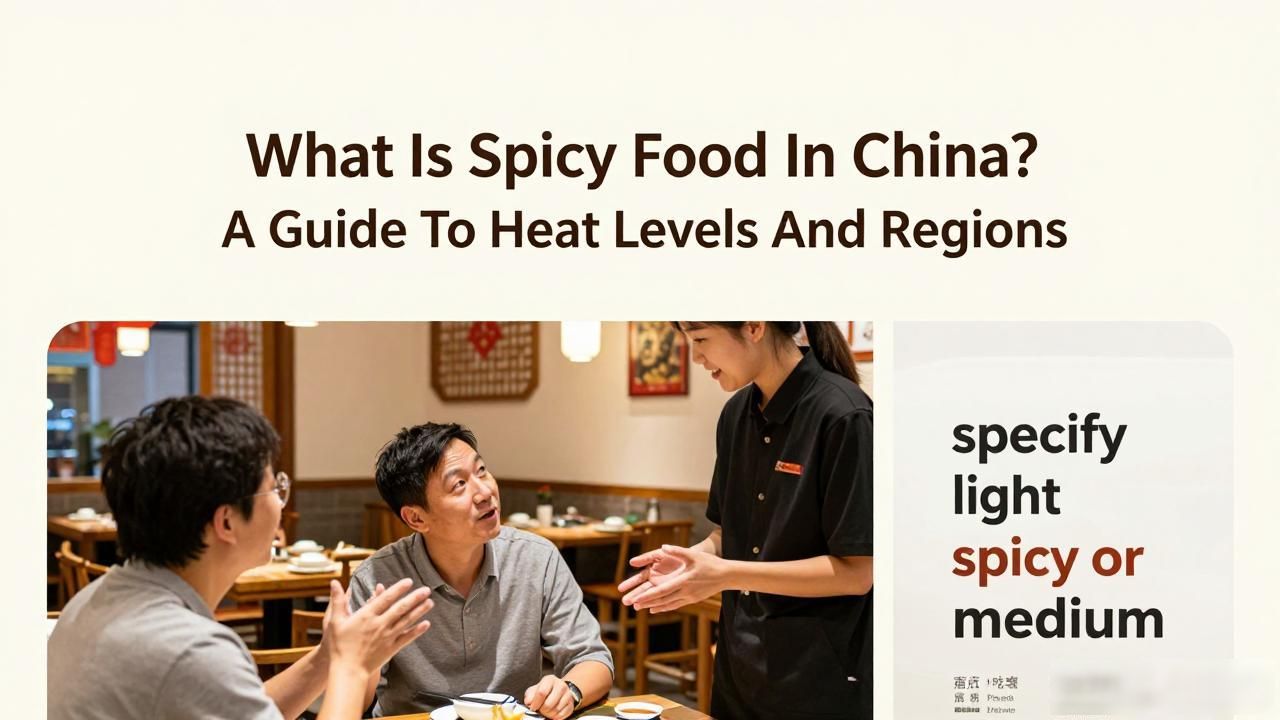
When dining out, communication is key. Instead of just saying “no spicy,” specify “light spicy” or “medium.” The word for spicy varies by dialect, so pointing to a menu item or using gestures can help. In tourist hubs, English menus are common, but nuances are often lost in translation. Asking for “one level of heat” might still result in a significant kick. It is better to under-order spice and ask for extra chilies on the side. This gives you control over the intensity of each bite.
Finally, embrace the social aspect of spicy food. Sharing dishes is the norm, and trying a small portion of a bold dish with rice or noodles balances the heat. Don’t rush. Let the flavors evolve. The reward for enduring the initial burn is often a profound satisfaction and a deeper connection to the local culture. China’s spicy food scene is vast and inviting once you know where to look and how to ask.