

Eating Peking duck isn’t just a meal; it is a ritual that defines culinary excellence in China. For travelers seeking the authentic taste of Beijing, understanding where to find this historic dish is crucial. The process involves precise roasting techniques and delicate handling, resulting in a crispy skin and tender meat that has fascinated diners for centuries. This guide highlights the essential experience of enjoying this imperial delicacy in its birthplace.
Why Is Peking Duck So Famous?

The history of Peking duck dates back to the imperial courts of the Ming Dynasty. It was originally a dish reserved for emperors, featuring specific breeds of ducks raised on grain feeds to ensure rich flavor. Over time, the recipe evolved, incorporating unique roasting methods that separate it from other roasted meats. The key lies in the preparation, which includes air-pumping to separate the skin from the fat and honey-water glazing for that signature shine.
Today, two main styles dominate the scene: the traditional charcoal-roasted method and the modern oven-roasted variant. Charcoal roasting imparts a smoky aroma and an exceptionally crispy texture,while ovens offer consistency and cleanliness. Both methods require skilled chefs who monitor the heat with precision. The difference in texture between the skin and meat is what makes every bite unforgettable. Foreign visitors often marvel at how the fat melts instantly upon contact with the tongue, leaving no greasy residue.
Which Restaurant Should You Choose?
Navigating the dining scene in Beijing can be overwhelming, but a few establishments stand out for their commitment to quality. Quanjude is perhaps the most famous name, known for its brick oven technique. It offers a consistent experience that has remained largely unchanged for decades. While some critics argue it lacks the nuance of smaller shops, it remains a solid choice for first-timers who want reliability and historical context.
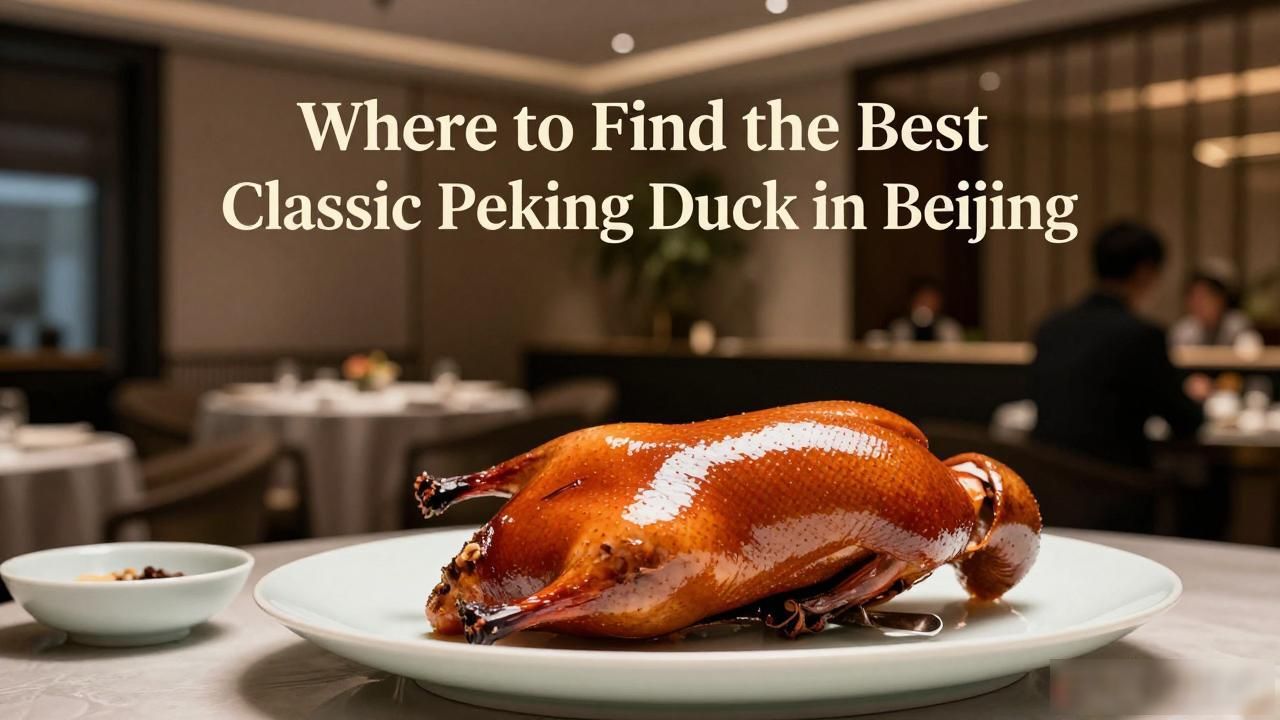
For those seeking a more refined atmosphere, Da Dong provides a modern twist on the classic recipe. Their focus on leaner ducks and innovative presentation appeals to international palates. Da Dong’s minimalist approach highlights the natural flavor of the duck without heavy sauces. Another contender is Siji Minfu, which locals frequent for its charcoal-roasted perfection. These restaurants differ in ambiance and price, so choosing depends on whether you prioritize tradition, modernity, or local authenticity.
Preparing for your meal involves understanding the etiquette. The duck is served whole, carved tableside by expert chefs. Thin pancakes, scallions, and cucumber sticks accompany slices of meat and skin. Diners typically dip the skin in sugar and the meat in hoisin sauce before wrapping them in the pancake. This interactive element adds to the enjoyment, making it a social and engaging dining experience rather than just a passive consumption of food.