
Finding a spot that delivers authentic flavors without the long wait can feel like searching for a needle in a haystack. Many people assume all options are just takeout boxes of greasy pad thai or generic sweet and sour chicken. This misconception ignores the vast diversity of regional cuisines available today. From the spicy numbness of Sichuan peppercorns to the delicate dim sum of Cantonese tradition, authentic Chinese cuisine offers a depth rarely found in fast-food chains. I have spent years exploring these hidden gems, learning that the best meals often come from places that prioritize fresh ingredients over convenience.
Where to Find Authentic Chinese Food Restaurants

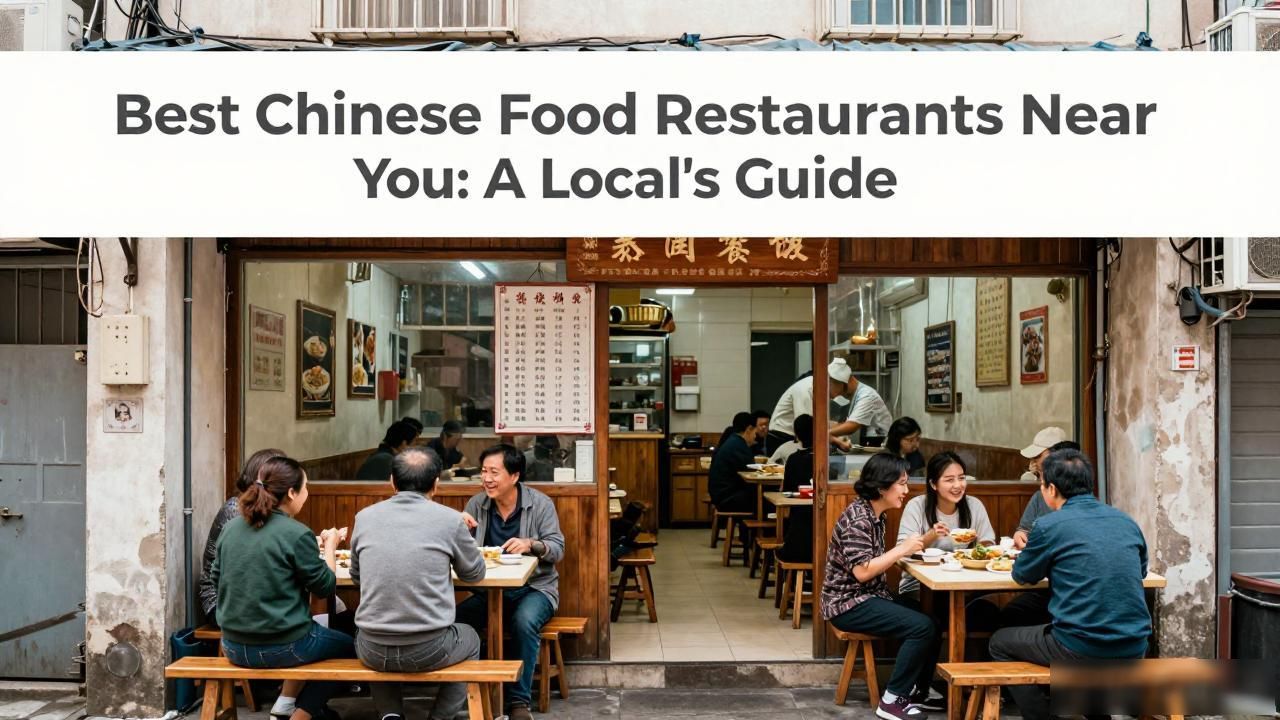
Location matters more than you think. The best spots are usually tucked away in older neighborhoods or bustling ethnic enclaves where locals gather. These areas tend to have higher turnover rates for food, ensuring everything is made fresh daily. Look for menus written in Chinese characters; this is often a sign that the establishment caters primarily to native speakers who know their food well. If the menu is entirely in English with photos of every dish, it might be tailored for tourists rather than palates seeking genuine taste.
Visiting during off-peak hours can reveal the true quality of the kitchen. When the rush subsides, chefs take more time on preparation. You might notice handmade noodles being pulled or dumplings folded with care. Avoid places with long lines of tourists taking selfies; instead, seek out the small tables occupied by families speaking their native tongue. These diners are the ultimate critics, and their presence is the strongest indicator of culinary excellence.
What Dishes Define Great Chinese Dining
Not all dishes are created equal, and some are better avoided if you want an authentic experience. Steamed dumplings, mapo tofu, and dry-fried green beans are staples that showcase technique. Conversely, overly sauced items like General Tso’s chicken often mask inferior ingredients. Focus on dishes that highlight the natural flavor of the main component, such as steamed fish with ginger and scallions, which requires perfect freshness to execute correctly.
Spice levels vary wildly across regions,so do not shy away from asking for adjustments. A mild version of a Sichuan dish may lose its soul, but a balanced spice level enhances the aroma without overwhelming the tongue. Experimenting with regional specialties allows you to discover nuances you never knew existed. Whether it is the smoky heat of Hunan cuisine or the subtle sweetness of Shanghai braised pork, each bite tells a story of geography and history.
Exploring these restaurants is not just about eating; it is about connecting with a culture that values harmony and balance. By stepping outside the typical comfort zone, you open yourself to a world of flavor that is both comforting and exciting. The next time you crave Chinese food, remember that the best experiences are often found in the unassuming corners of the city.