
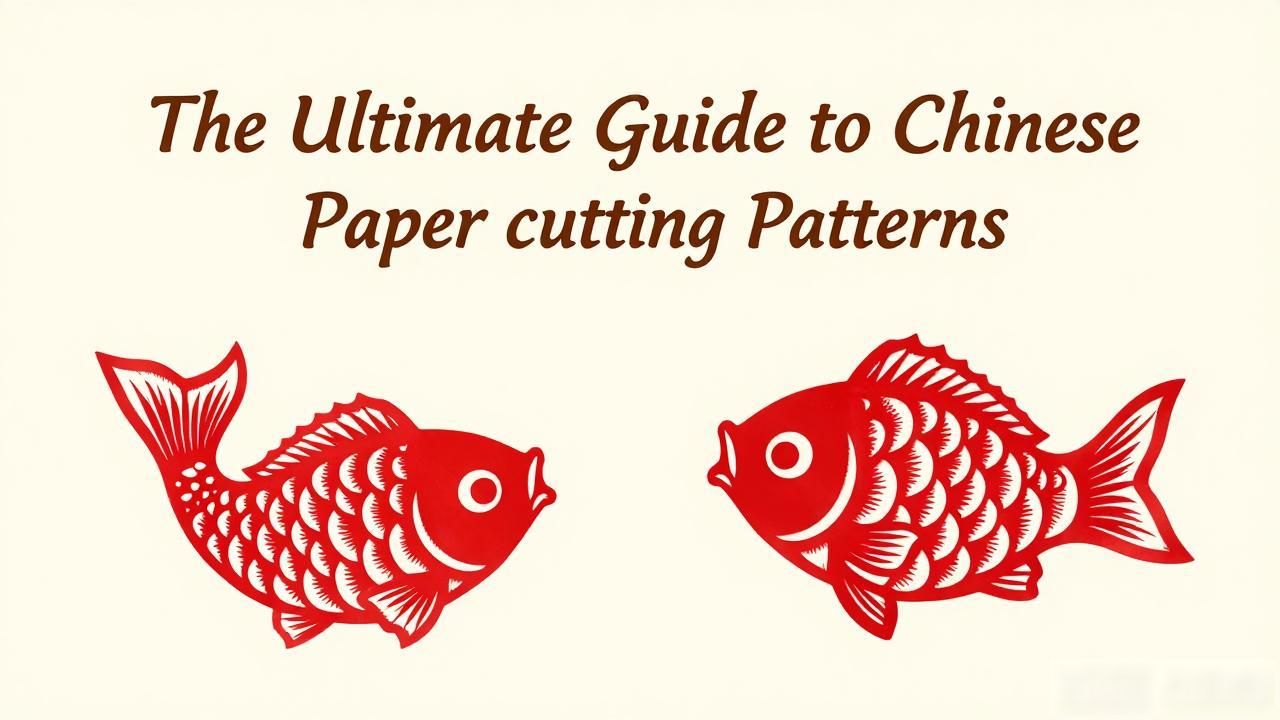
Paper cutting is an ancient art form that tells stories through intricate cuts. It is more than just decoration; it is a cultural code. For many outsiders, these red designs seem complex and mysterious. I see them as windows into history, luck, and daily life. Understanding the symbols helps us appreciate the depth behind the craft. This guide breaks down the most common motifs you will encounter.
What do Chinese paper cutting patterns mean?

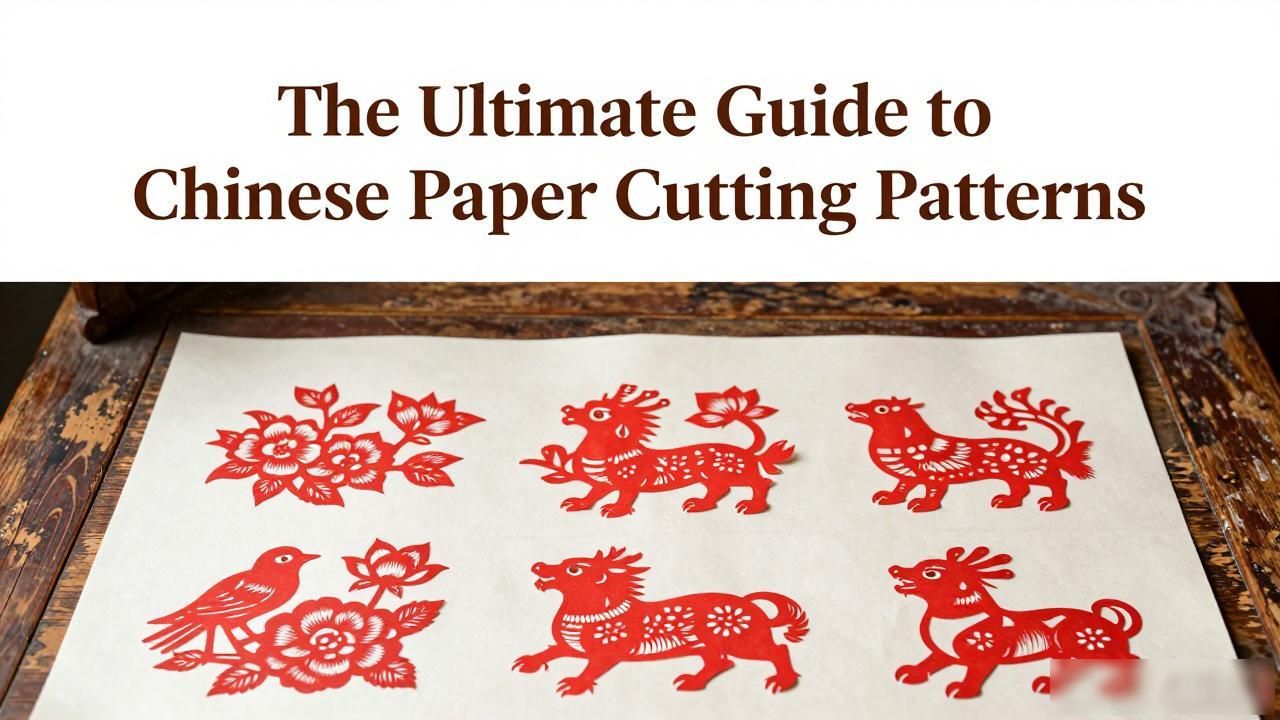
Many patterns carry specific wishes for good fortune. The fish symbolizes abundance because the word for fish sounds like “surplus.” You often see carp leaping over gates, representing success in exams or career advancement. These are not random choices but deep-seated cultural aspirations. People hang them during festivals to invite prosperity into their homes.
Flowers also hold significant weight in this art. Peonies stand for wealth and honor, while lotuses represent purity and harmony. The combination of a mandarin duck and lotus suggests a happy marriage. Each element is chosen with care to convey a specific blessing. The artist’s skill lies in connecting these symbols seamlessly within the negative space.
Where can I find authentic Chinese paper cutting patterns?
Traditional patterns are rooted in rural folk culture, yet they have evolved. You can find them in local markets during Spring Festival celebrations. Online platforms now offer digital templates for beginners who want to try the craft. However, nothing beats seeing the original works in museums or heritage sites. These sources preserve the authenticity and regional variations of the style.
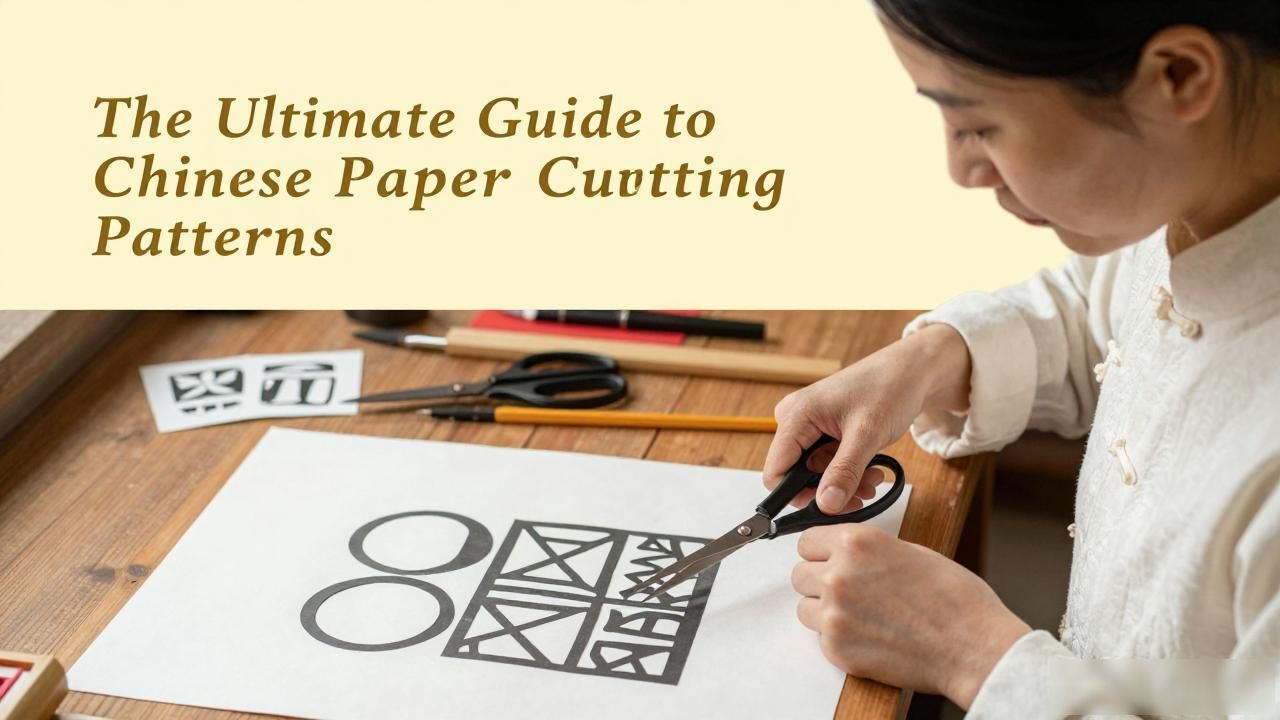
Learning to create these patterns requires patience and precision. Scissors or knives are used to remove small pieces of paper without breaking the main structure. Many enthusiasts start with simple geometric shapes before moving to complex figures. Practicing with stencils helps build the necessary hand-eye coordination. Over time, the creator learns to flow with the paper rather than against it.
This art form remains vibrant today. It connects generations through shared visual language. Whether displayed in a home or studied as history, the patterns speak volumes. They remind us of the value of craftsmanship and intentionality. Exploring these designs offers a unique glimpse into Chinese aesthetics and philosophy.