

Walking through the cobblestone lanes of places like Lijiang or Pingyao feels less like tourism and more like stepping into a living museum. These old town shops in China offer a direct line to centuries of craftsmanship that mass production has largely erased. I have spent years navigating these narrow alleys, watching artisans shape clay, weave silk, and carve wood with hands that remember traditions older than my own country. The experience is sensory and immediate. You smell the incense, hear the hammer on metal, and see the vibrant colors of dyed fabrics hanging from wooden eaves. It is not just about buying souvenirs; it is about connecting with the soul of the place. Many travelers rush past these stores, drawn instead to modern malls, but they miss out on the true character of Chinese heritage. These small family-run businesses are the heartbeat of the old towns. They hold stories that no guidebook can fully capture.

What Can You Buy in Traditional Markets?
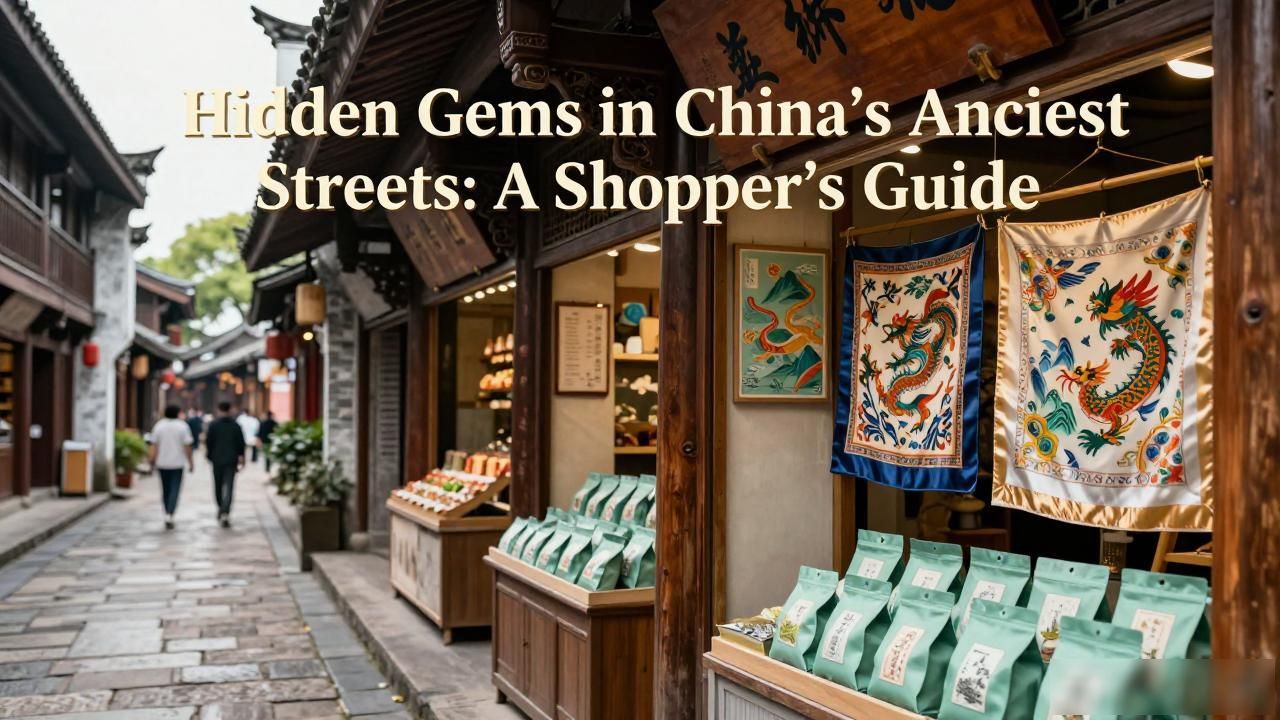
The variety of goods available in these historic districts is staggering. You will find high-quality tea leaves sourced directly from local gardens, packaged in simple paper rather than plastic. Handmade silk scarves feature intricate patterns that tell myths and legends of the region. For those interested in home decor,bamboo furniture and ceramic bowls offer durability and beauty. I always recommend looking for items made by hand. A machine-made vase might look similar, but it lacks the subtle variations that prove human touch. Check the craftsmanship closely. Look for uneven edges or unique glaze patterns that indicate authenticity. Supporting local artisans ensures these skills survive for future generations. Do not be afraid to ask questions. Most shop owners are proud of their work and eager to explain the process. This interaction adds value to the purchase.
How to Avoid Tourist Traps?

Not every shop in an old town offers genuine products. Some areas are saturated with cheap, mass-produced imports disguised as traditional crafts. To avoid this, venture away from the main thoroughfares. The side streets often hold the best secrets. Observe where locals shop. If you see residents buying fresh produce or daily necessities from a stall, that area is likely more authentic. Bargaining is expected in many markets, but it should be done respectfully. Start with a smile and a friendly conversation about the item. Negotiating fairly shows respect for the seller’s livelihood. Avoid buying from stalls that clearly display prices in only English or have signs saying “Fixed Price.” These are often geared exclusively towards tourists with little knowledge of local values. Take your time. Wander slowly. Let the atmosphere guide you to the right spots. The true treasures are found in patience and curiosity.