
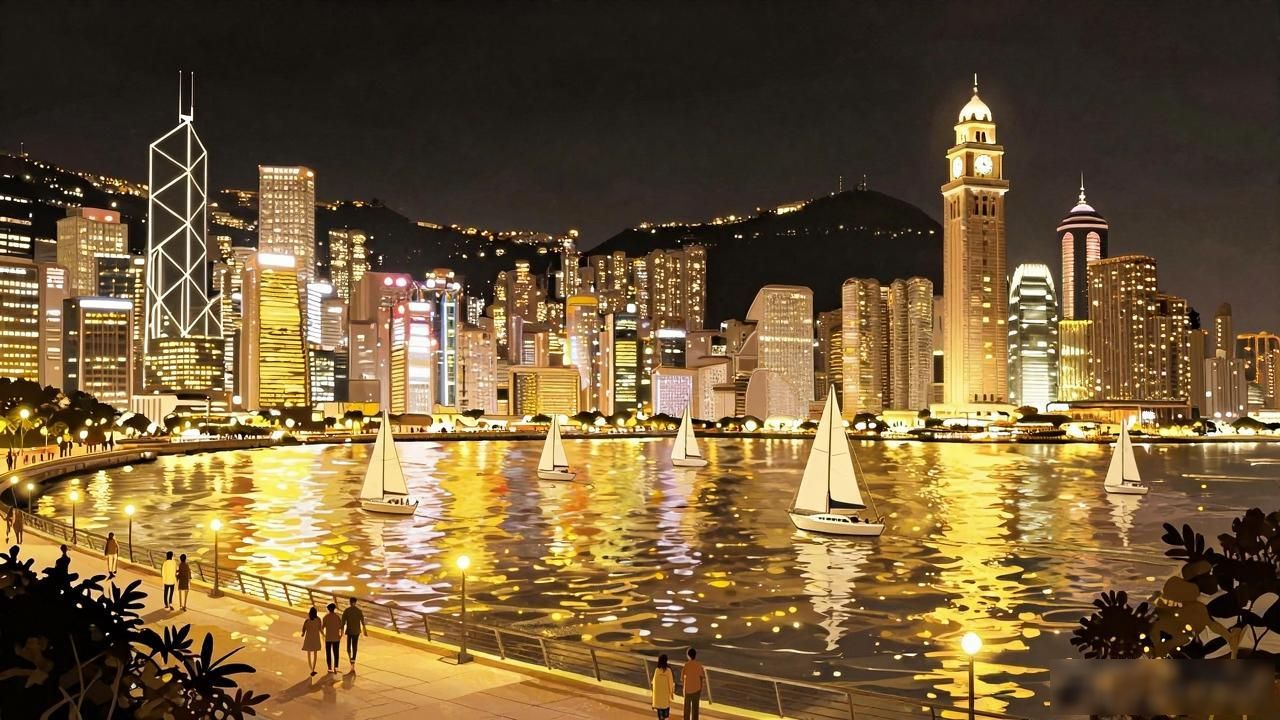
Xianggang is a city where ancient traditions collide with hyper-modernity, creating a sensory overload that few other places can match. For travelers, understanding this duality is key to navigating its dense urban landscape without getting lost in the chaos. The city offers more than just shopping sprees; it provides a deep dive into maritime history, culinary excellence, and breathtaking natural vistas. This guide focuses on the essential zones that define the Xianggang experience, ensuring every visitor makes the most of their limited time.
What are the best cultural spots in Xianggang?

The heart of Xianggang’s heritage beats strongest in the older districts, where time seems to have slowed down significantly. Wanchai and Central are not just financial hubs but also repositories of historical architecture. Walking along the streets here feels like stepping into a museum without walls. You will find centuries-old temples nestled between towering skyscrapers, a visual metaphor for the city’s unique identity. The Che Kung Temple in Sha Tin, for instance, offers a serene escape from the urban noise, attracting locals and tourists alike seeking peace and good fortune.
Another crucial area is the Sheung Wan district,known for its well-preserved shophouses and vibrant street art. These narrow lanes tell stories of the city’s trading past. Exploring these alleys reveals hidden cafes and boutique shops that cater to modern tastes while respecting traditional aesthetics. The contrast is striking yet harmonious, offering photographers and historians alike a wealth of material. It is a place where you can spend hours just observing the daily lives of residents, providing an authentic glimpse into local culture.
Where can I see iconic views and nature in Xianggang?
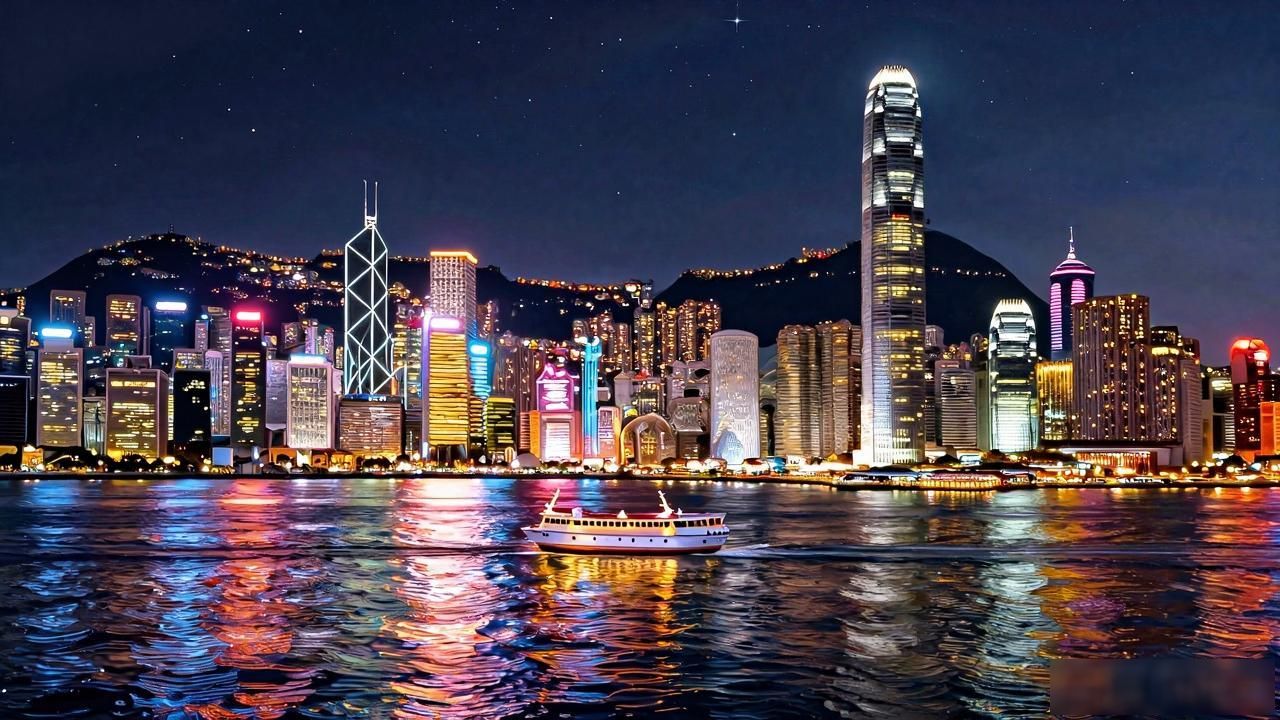
No trip to Xianggang is complete without ascending to its peaks for panoramic views. Victoria Peak is the most obvious choice, offering a 360-degree vista of the skyline and harbor. However, the experience is enhanced by taking the historic tram up during sunset. The golden hour light transforms the concrete jungle into a shimmering sea of lights. This natural vantage point provides context for the city’s layout and scale, making the subsequent exploration of ground-level attractions much more meaningful.
For those willing to venture further, the Lantau Island area offers a different kind of majesty. The Big Buddha at Po Lin Monastery stands tall against the backdrop of lush green mountains. The cable car ride itself is an attraction, providing aerial views of the ocean and islands below. Combining this spiritual site with a visit to Ngong Ping Village allows for a relaxed afternoon exploring local crafts and food. It is a necessary counterbalance to the intense energy of the central districts, reminding visitors of the natural beauty that surrounds this urban marvel.