
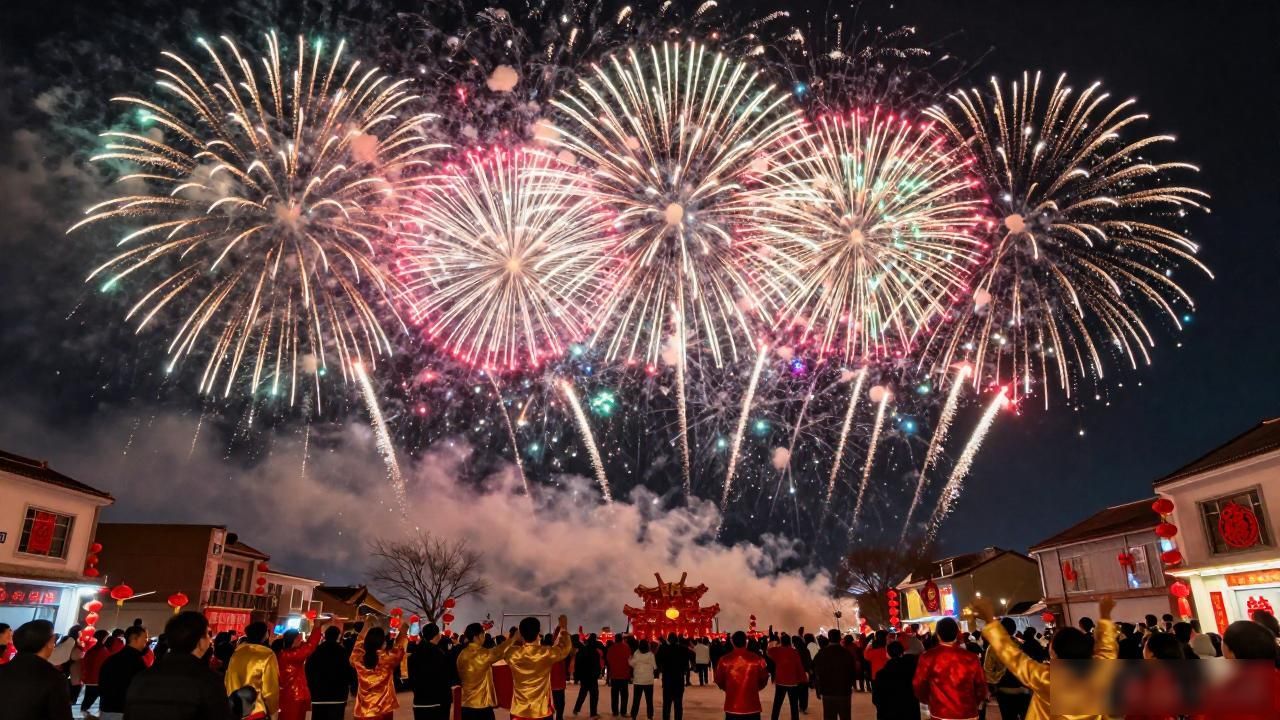
Every year when the lunar calendar turns, the night sky over China transforms into a canvas of light and sound. For those unfamiliar with the tradition, it is easy to dismiss these displays as mere entertainment. However, understanding the deeper cultural significance reveals a complex ritual meant to ward off evil spirits and welcome prosperity. The noise is not just for show; it is a spiritual necessity rooted in centuries of folklore.
What makes Chinese New Year fireworks so distinct from other global celebrations?

Unlike the synchronized choreography often seen in Western New Year parties, Chinese firework displays are characterized by their sheer volume and duration. These events are deeply tied to the legend of Nian, a mythical beast that was afraid of loud noises and the color red. Communities gather in town squares or along riverbanks,releasing thousands of firecrackers and rockets simultaneously. The air fills with sulfur and smoke, creating an atmosphere that is both chaotic and communal. This sensory overload serves to cleanse the old year’s misfortunes, preparing the community for a fresh start.
The scale varies significantly between urban centers and rural villages. In major cities like Shanghai or Beijing, professional pyrotechnicians design intricate patterns that tell stories of dragons and phoenixes. These are highly regulated and often require special permits due to safety concerns. Conversely, in smaller towns, families take matters into their own hands, setting off homemade explosives on their doorsteps. This decentralization means that every region has its own unique flavor of celebration, reflecting local customs and historical practices passed down through generations.
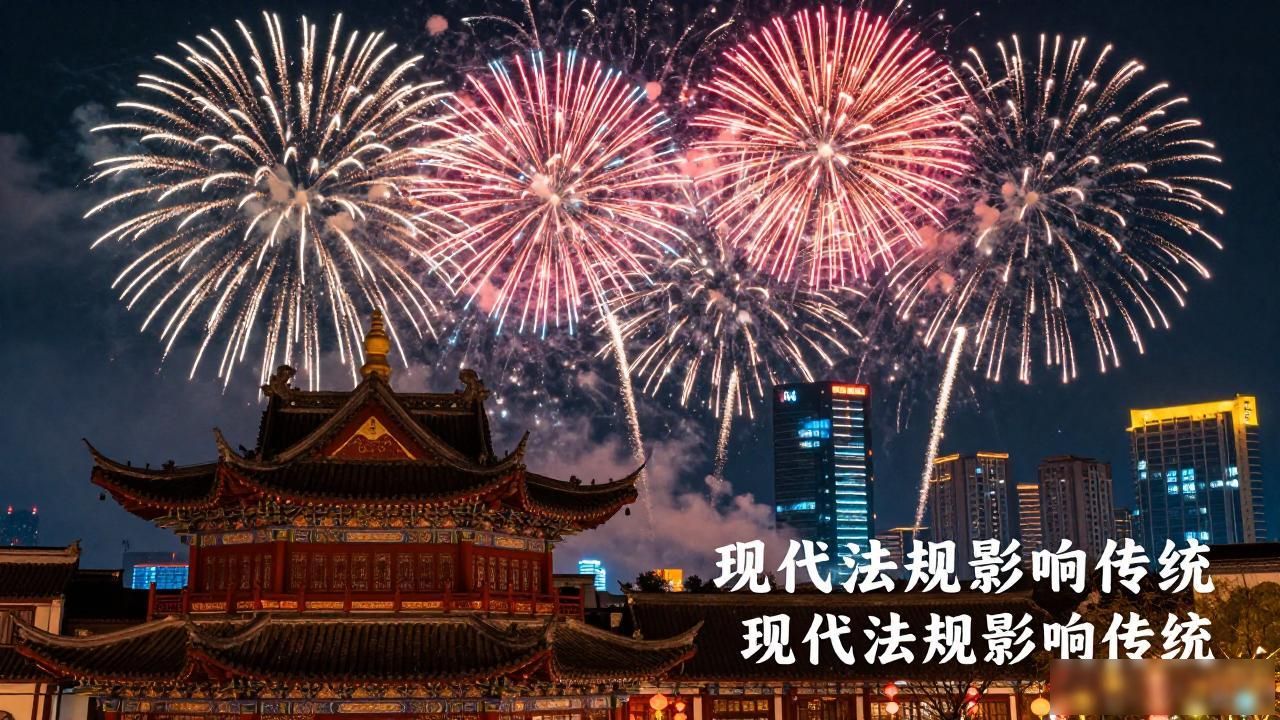
Why do modern regulations impact these traditions?
In recent years, environmental concerns and public safety have led many municipalities to ban or strictly limit private firework sales. This shift has sparked a debate between preserving cultural heritage and ensuring modern urban living standards. Many locals feel a sense of loss when the sky remains quiet during the Spring Festival, arguing that the essence of the holiday is diminished without the accompanying roar. Authorities, however, point to air quality data and accident reports to justify these measures.
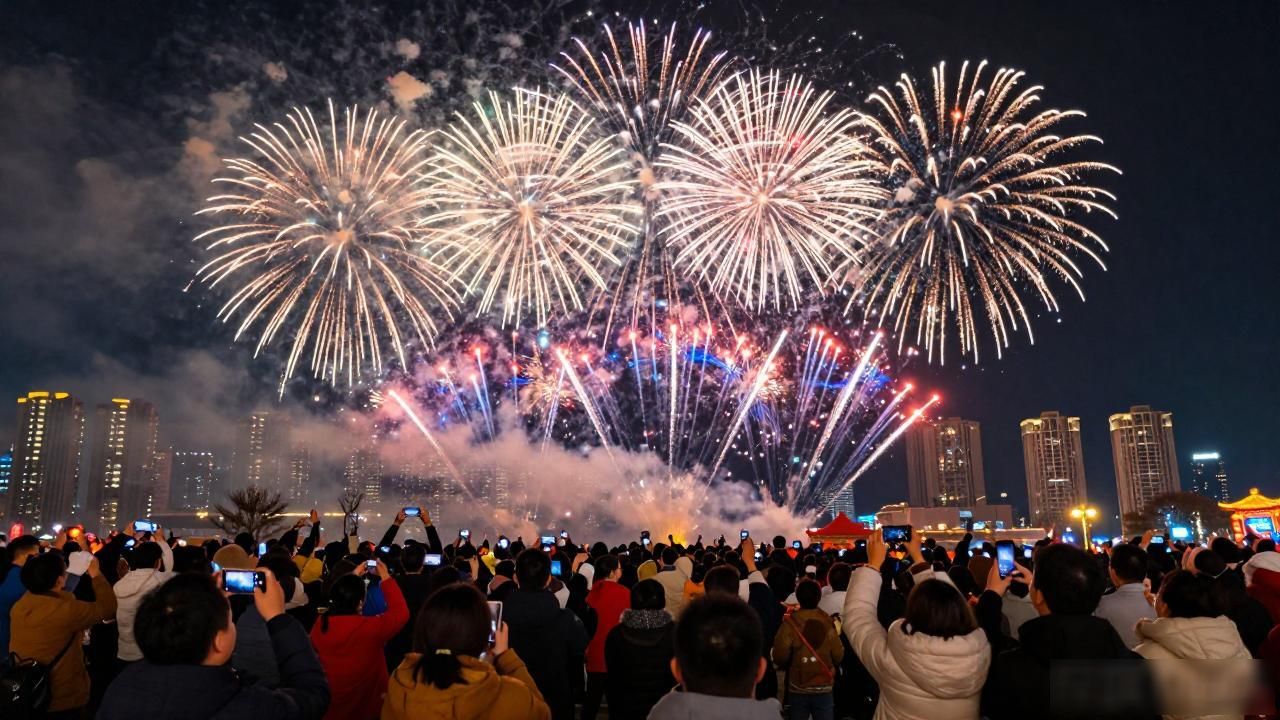
To bridge this gap, some cities have introduced designated zones where fireworks can be legally set off. These controlled areas allow enthusiasts to participate while minimizing risks to the broader population. Additionally, digital alternatives such as drone shows and laser projections are increasingly replacing traditional pyrotechnics in central districts. While visually stunning, these high-tech replacements lack the raw power and aromatic intensity of gunpowder. The challenge remains to honor the spirit of the tradition without compromising the well-being of citizens or the environment.