
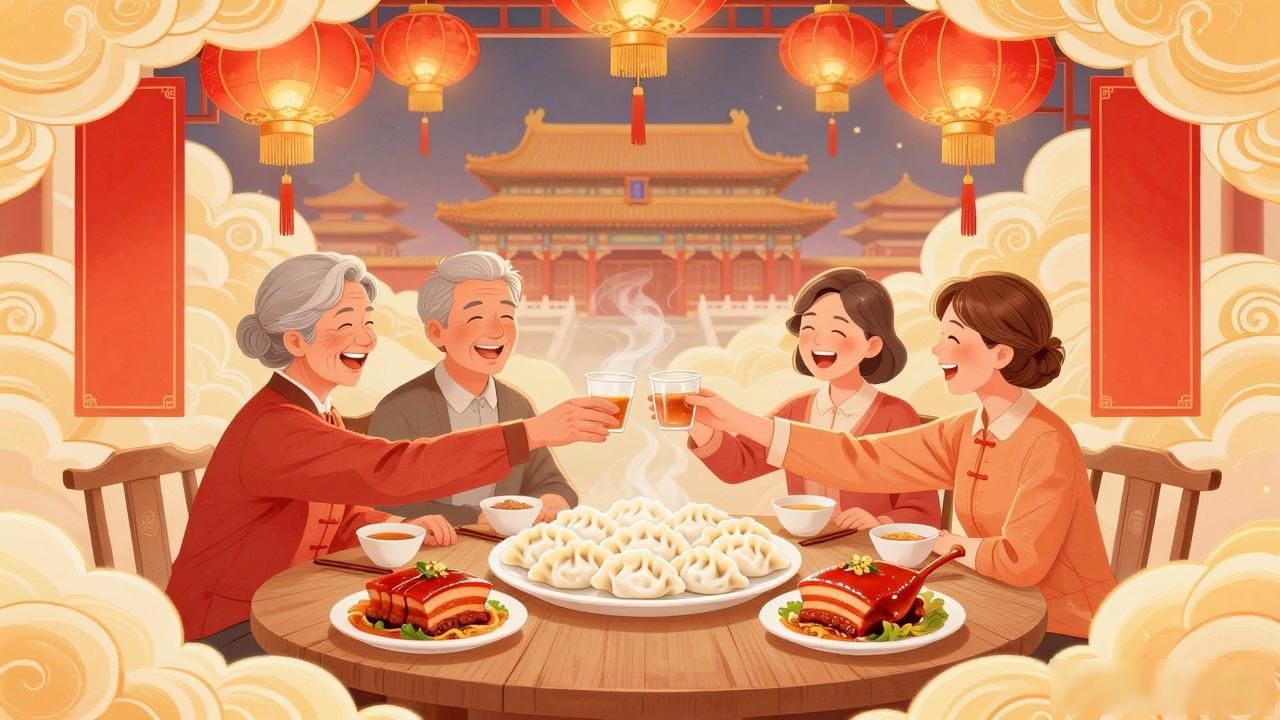

China’s calendar is painted with vibrant traditions that go far beyond simple holidays. For outsiders, these events might seem like random dates on a chart, but they are actually deep-rooted expressions of family, history, and nature. Understanding Traditional Chinese festivals customs offers a window into the soul of one of the world’s oldest civilizations. It is not just about eating specific foods or wearing bright clothes; it is about maintaining harmony between humans and the cosmos while strengthening community bonds.
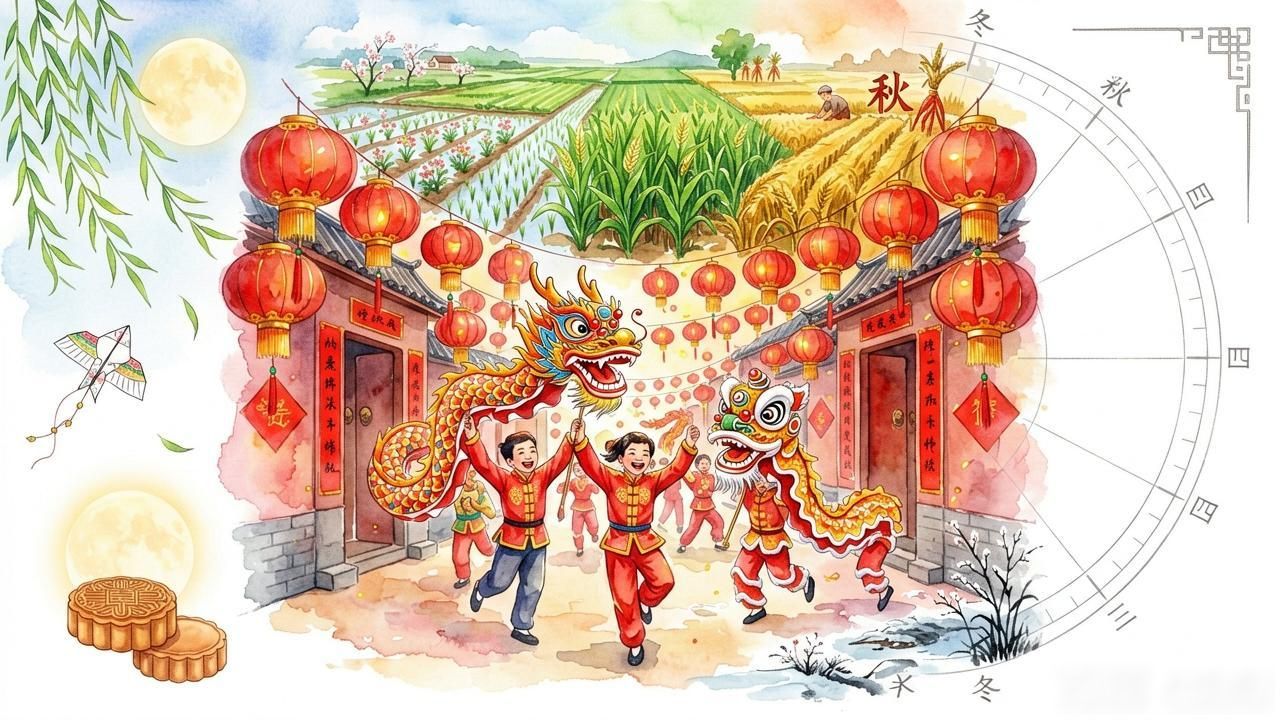
When you look closer at these celebrations, the diversity becomes immediately apparent. Each festival marks a specific moment in the lunar cycle, reflecting an agricultural society’s respect for seasonal changes. The Spring Festival, or Lunar New Year, is the most significant, marking the end of winter and the promise of spring. It is a time when millions travel home, a phenomenon known as Chunyun, creating the largest annual human migration on Earth. Families gather for reunion dinners, clean their homes to sweep away bad luck, and set off firecrackers to scare away evil spirits. The atmosphere is electric, filled with red decorations and the sound of laughter, representing hope and new beginnings for everyone involved.
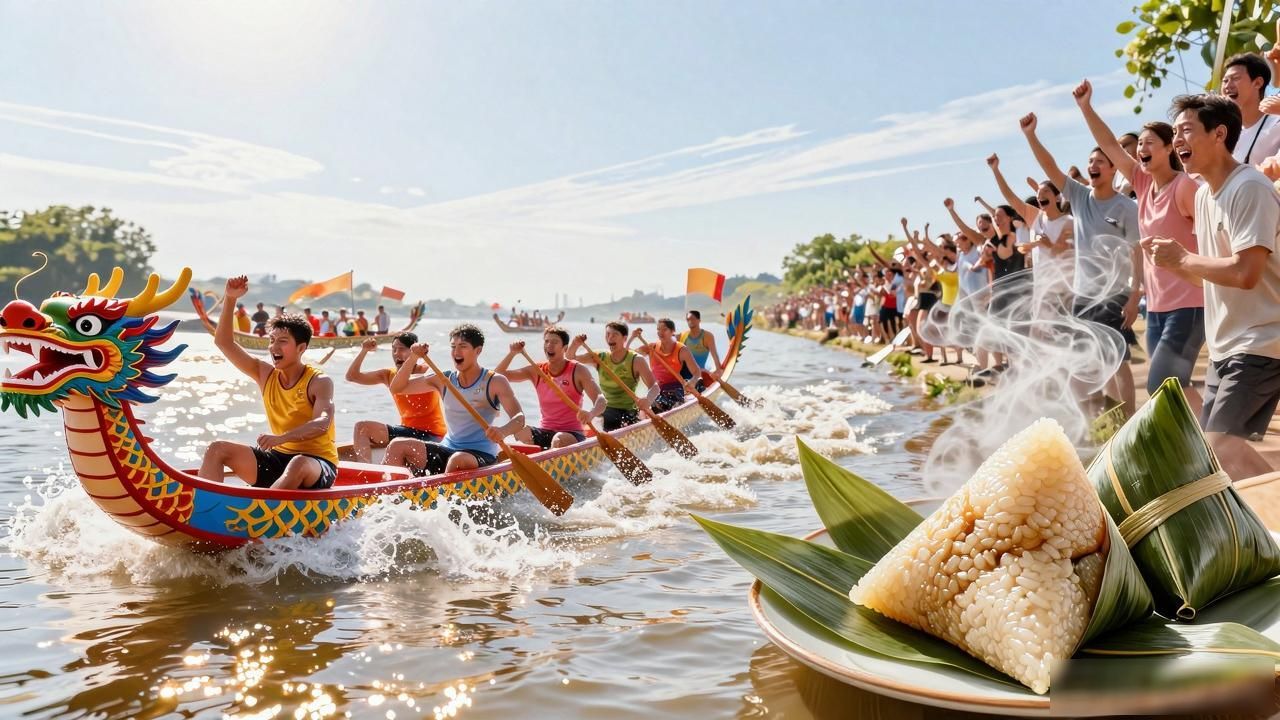
Beyond the New Year, other festivals hold equal weight in different ways. The Dragon Boat Festival in summer commemorates the poet Qu Yuan with fierce boat races and sticky rice dumplings called zongzi. Meanwhile, the Mid-Autumn Festival in autumn is dedicated to moon gazing and sharing mooncakes, symbolizing unity and completeness. These traditions are not static; they evolve with modern life yet retain their core meanings. Understanding these rituals helps bridge cultural gaps, allowing foreigners to engage with Chinese culture on a deeper level. Whether it is lighting lanterns during the Lantern Festival or respecting elders during the Double Ninth Festival,each act reinforces social values that have persisted for millennia. This continuity provides a sense of stability and identity that resonates through generations, making these customs vital to understanding contemporary China.