

Navigating China’s digital landscape can feel daunting for independent explorers, but having reliable mobile connectivity is non-negotiable. It unlocks everything from navigation apps like Amap to payment systems like Alipay, which are deeply integrated into daily life. For a solo traveler, losing signal isn’t just an inconvenience; it can be a safety risk. Understanding how to secure a local SIM card ensures you remain anchored to the ground while exploring this vast country, allowing for seamless communication without relying on unpredictable public Wi-Fi hotspots.
How to buy a local SIM in China as a foreigner?

Securing a physical SIM card upon arrival is generally the most straightforward path for short-term visitors. Major carriers like China Mobile, China Unicom, and China Telecom have dedicated service counters at international airports in cities like Beijing, Shanghai, and Guangzhou. You will need your passport for real-name registration, a legal requirement in China. The process is usually quick, taking about ten to fifteen minutes. Staff at these airport kiosks often speak basic English and can help you set up the data plan immediately. This method guarantees that your phone is active before you even step out of the terminal, providing instant GPS access and ride-hailing capabilities.
Another viable option involves purchasing SIM cards from convenience stores or authorized retail shops in city centers. While slightly less convenient than airport counters, this approach offers more flexibility if you miss the initial window at the airport. Look for official carrier stores rather than small, unmarked vendors to avoid scams. Ensure you ask for a tourist-friendly package that includes ample data and voice minutes. Remember that these cards must be registered with your passport details, so keep your travel documents handy. This route allows you to compare prices and plans in person,ensuring you get the best value for your specific needs during your stay.
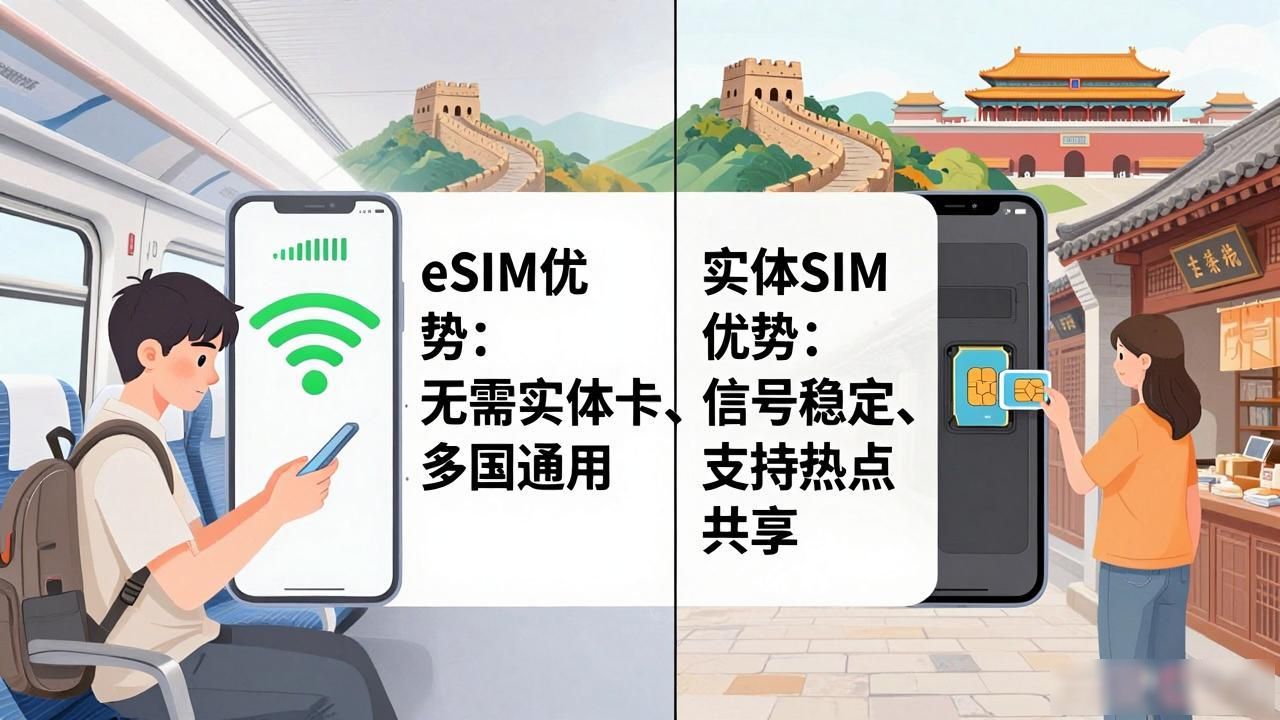
What is the best eSIM vs physical SIM for China travel?
The debate between eSIM and physical SIM cards has become increasingly relevant, especially for modern smartphone users. eSIMs offer unparalleled convenience as they can be purchased and activated before you board your flight. Services like Airalo or Nomad allow you to download a profile directly to your device, eliminating the need for physical handling. However, compatibility is key. Not all phones support eSIM technology, particularly older models or devices locked to specific carriers. Additionally, some Chinese apps may behave unpredictably with certain eSIM providers due to routing issues. If your phone supports it and you have a stable connection abroad, an eSIM is a strong contender for those who hate fiddling with tiny plastic chips.

On the other hand, physical SIM cards often provide better stability and broader coverage in rural areas where you might venture off the beaten path. They are universally compatible with almost all unlocked smartphones. Furthermore, having a physical number makes it easier for locals to call you if you get lost or need assistance, as some older systems still struggle with VoIP or eSIM-based numbers. For solo travelers prioritizing reliability over the slight convenience of digital activation, a physical SIM remains the gold standard. It bridges the gap between modern technology and traditional infrastructure, ensuring you stay connected regardless of your location within China’s diverse geography.