
The Lunar New Year is not just a holiday; it is a visual explosion of hope and renewal. For many outside of East Asia, understanding how to decorate for this festival can feel like decoding an ancient language. It involves more than just hanging red paper. It requires knowing which symbols bring good luck and which ones might accidentally invite bad fortune. The goal is to create an atmosphere that feels festive, welcoming, and culturally respectful without looking like a cheap costume party.
What Do Red Lanterns and Couplets Actually Mean?
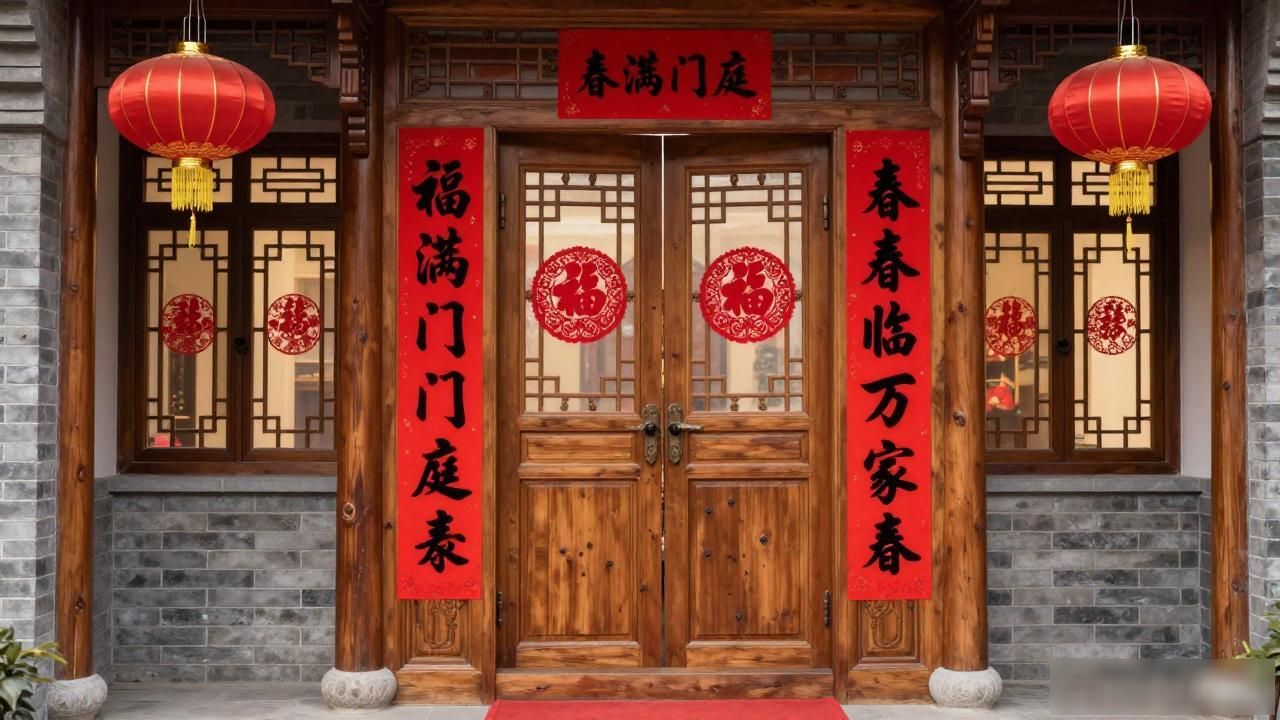
Red is the dominant color because it is believed to scare away the mythical beast Nian. However,the specific items you choose tell a different story. Red lanterns are not merely lights; they symbolize family reunion and the bright future ahead. Hanging them in front of your door or in the living room sets a warm tone. They should be bright and unbroken. A broken lantern is seen as bad luck.

Door couplets are another essential element. These are pairs of red banners with black or gold calligraphy. They express wishes for the coming year. You must place them correctly. The first character of the upper scroll goes on the right side when facing the door. Misplacing them is a common mistake. It shows a lack of attention to detail. Many people buy generic sets online. These often have mismatched meanings. It is better to find sets where the couplets complement each other logically.
Which Symbols Should You Avoid When Decorating?
Not everything red is auspicious. White flowers, especially chrysanthemums, are associated with funerals. Using them during Spring Festival is a major faux pas. Stick to red roses, peonies, or kumquat trees. Kumquats represent wealth because their golden fruit looks like ingots. Their green leaves add vitality. This combination is safe and traditional.
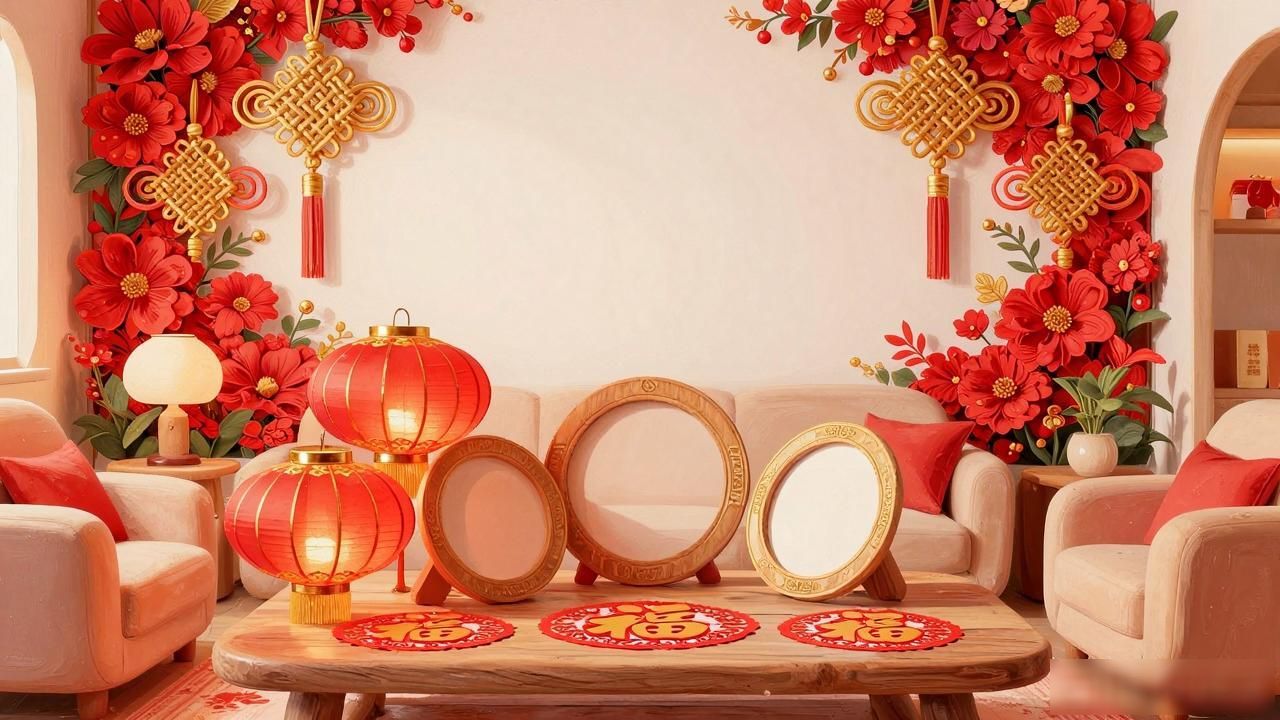
Also, be careful with mirrors and sharp objects. Mirrors reflect energy away from the home. Sharp items symbolize cutting off good luck. Keep your space soft and rounded. Empty spaces should be filled with vibrant colors. Gold accents work well with red. They represent prosperity. But do not overdo it. Too much gold can look tacky rather than rich. Balance is key.
The essence of decoration lies in intention. Each item should carry a wish for health, wealth, or happiness. When you hang a lantern, think of your family’s unity. When you place a couplet, think of your goals for the year. This emotional connection transforms a house into a home. It makes the celebration meaningful.
Foreigners often focus on the aesthetic. They want their homes to look festive. This is fine. But adding a layer of cultural understanding elevates the experience. It shows respect for the tradition. It invites others to learn more. The decorations become a conversation starter.
Start simple. Buy a few quality items instead of dozens of cheap ones. A single red door banner can make a big impact. Add a small table with kumquat branches. Place two lanterns near the entrance. Keep it clean and organized. Clutter blocks positive energy. Let the symbols breathe. This approach creates a serene yet joyful environment.
Ultimately, Spring Festival decorations are about hope. They mark the end of winter and the start of spring. They remind us that better days are coming. By choosing the right symbols and placing them with care, you participate in a global tradition. You share in the collective joy of renewal. Your home becomes a beacon of light. This is the true spirit of the festival.