
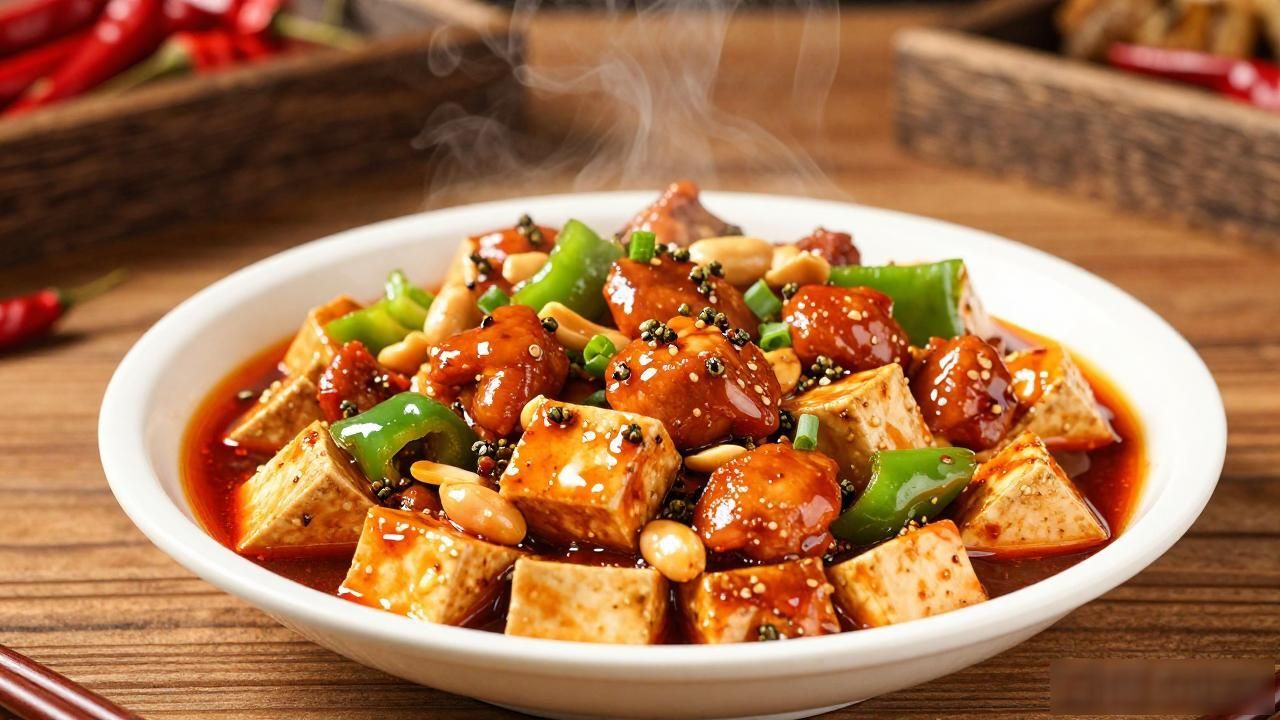
Eating spicy food in China is not just a meal; it is a cultural experience that challenges the palate and defines regional identities. For foreigners, navigating this landscape can seem daunting, but understanding the nuances of heat levels and regional styles transforms fear into fascination. The concept of “spicy” here differs vastly from Western perceptions, involving complex layers of numbing, heat, and aroma rather than simple capsaicin burn.
What makes Sichuan spice different from Hunan heat?

Sichuan cuisine is famous for its mala sensation, a unique combination of chili heat and the numbing effect of Sichuan peppercorns. This double sensation creates a tingling experience on the lips and tongue that is addictive for many. Dishes like Mapo Tofu or Kung Pao Chicken showcase this balance, where the spice enhances the savory flavors without overwhelming them. It is an intricate dance of ingredients that requires precision to master.
In contrast, Hunan cuisine offers a drier, more intense heat derived from fresh chilies and dried varieties. There is little use of numbing agents here; instead, the focus is on pure, unadulterated spiciness. The flavors are often saltier and more pungent, reflecting the humid climate of the region. Eating here feels like a direct confrontation with the chili, demanding respect and resilience from the diner.
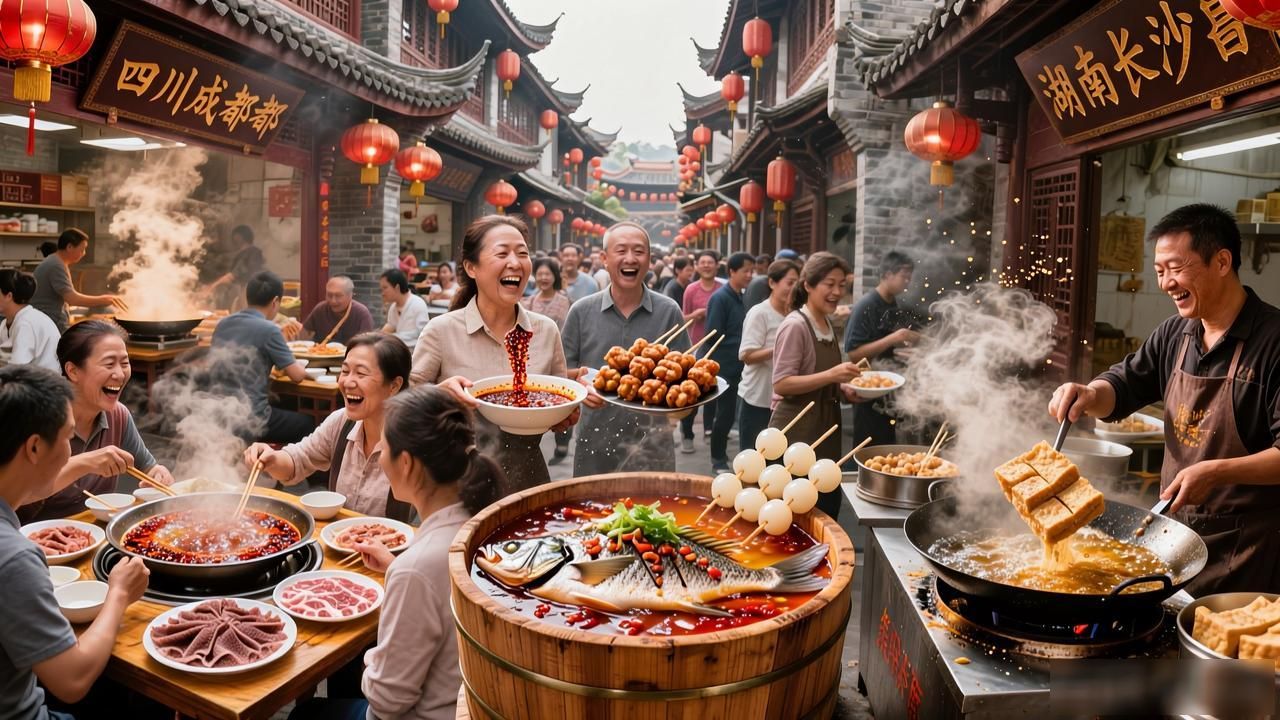
Where to find authentic spicy dishes in China?
Chengdu and Chongqing serve as the epicenters for Sichuan-style spice. Street food stalls and high-end restaurants alike offer variations of spicy noodles, hot pots, and skewers. The key is to communicate your tolerance level clearly, using local terms like “we辣” (mild) or “特辣” (extra spicy). Many locals enjoy extreme heat, so adjusting expectations is crucial for a pleasant experience.
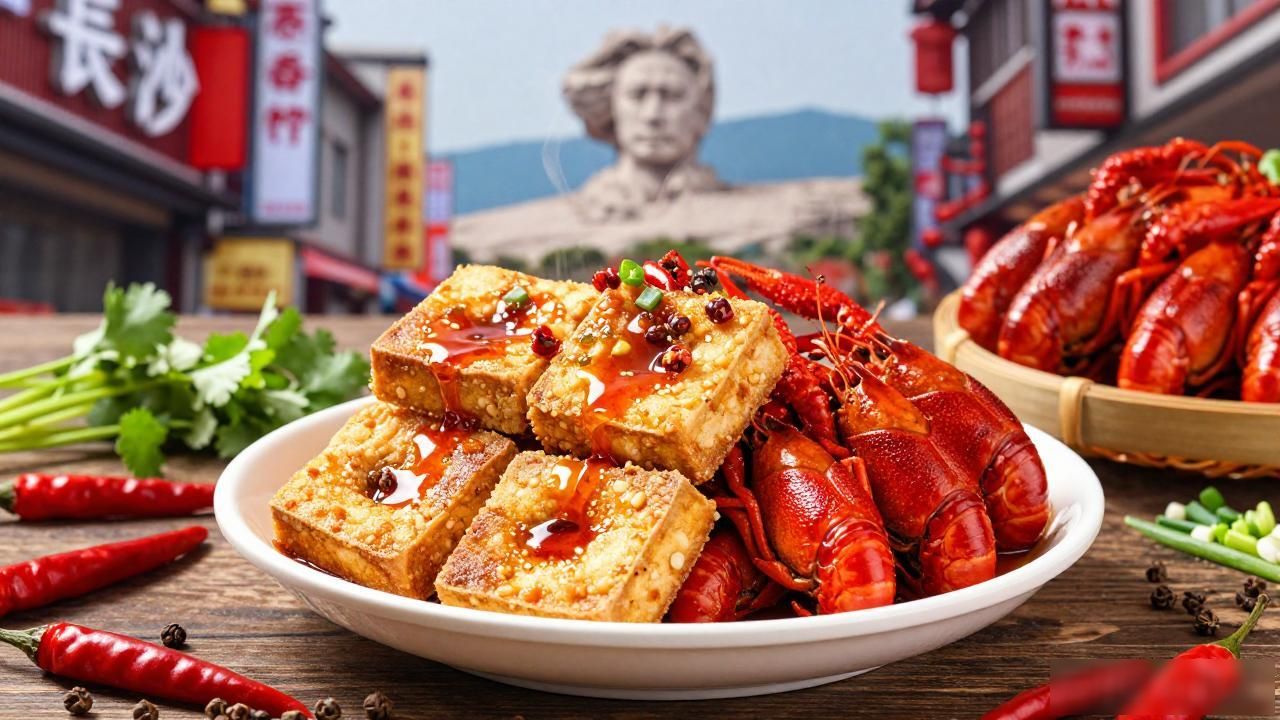
Changsha, the capital of Hunan, provides a different adventure. Here, you will find dishes like Stinky Tofu and Spicy Crayfish that define the local culinary identity. The spice is pervasive, found in almost every savory dish prepared in the city. Visitors should prepare for a fiery journey, as even side dishes may carry significant heat. Embracing the local way of eating allows for a deeper connection with the region’s bold character.