
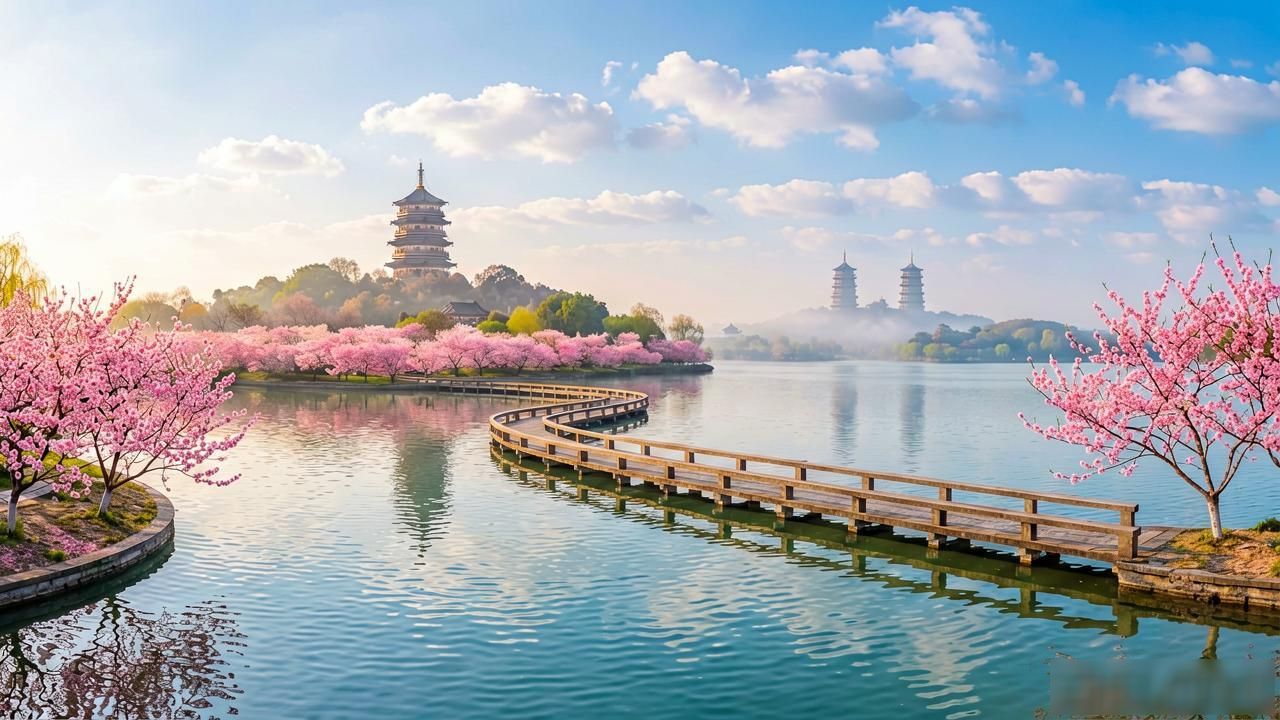
West Lake is not just a body of water; it is a living painting that has inspired poets and artists for centuries. For travelers seeking to understand its charm, the experience goes far beyond simple sightseeing. It involves immersing oneself in the harmony between nature and human history. The scenery changes with the seasons and the light, offering a unique perspective on Chinese aesthetics. Many visitors arrive with high expectations, but the true magic lies in the subtle details—the mist over the water at dawn, or the reflection of pagodas in the calm evening air. Understanding this depth transforms a casual visit into a memorable journey.
What makes West Lake scenery so famous globally?

The reputation of West Lake stems from its perfect integration of natural beauty and cultural heritage. Unlike vast wilderness areas, this landscape was carefully shaped by centuries of human intervention, creating a curated yet organic feel. The ten distinct scenic spots, such as Su Causeway and Broken Bridge, are not random locations but part of a deliberate artistic composition. Visitors often find themselves drawn to the way the lake mirrors the surrounding hills and temples. This interplay creates a sense of tranquility that is rare in modern urban environments. The UNESCO World Heritage status recognizes this unique value, highlighting how the lake serves as a symbol of idealized landscape gardening.
The seasonal variations offer completely different experiences. Spring brings blooming peach blossoms along the banks, while autumn offers crisp air and golden ginkgo leaves. Each season alters the color palette and mood of the area. Travelers should not rush through these spots. Instead, they should take time to observe how the light shifts throughout the day. The water’s surface acts as a canvas, reflecting the sky and the ancient architecture. This dynamic quality ensures that no two visits are ever identical.
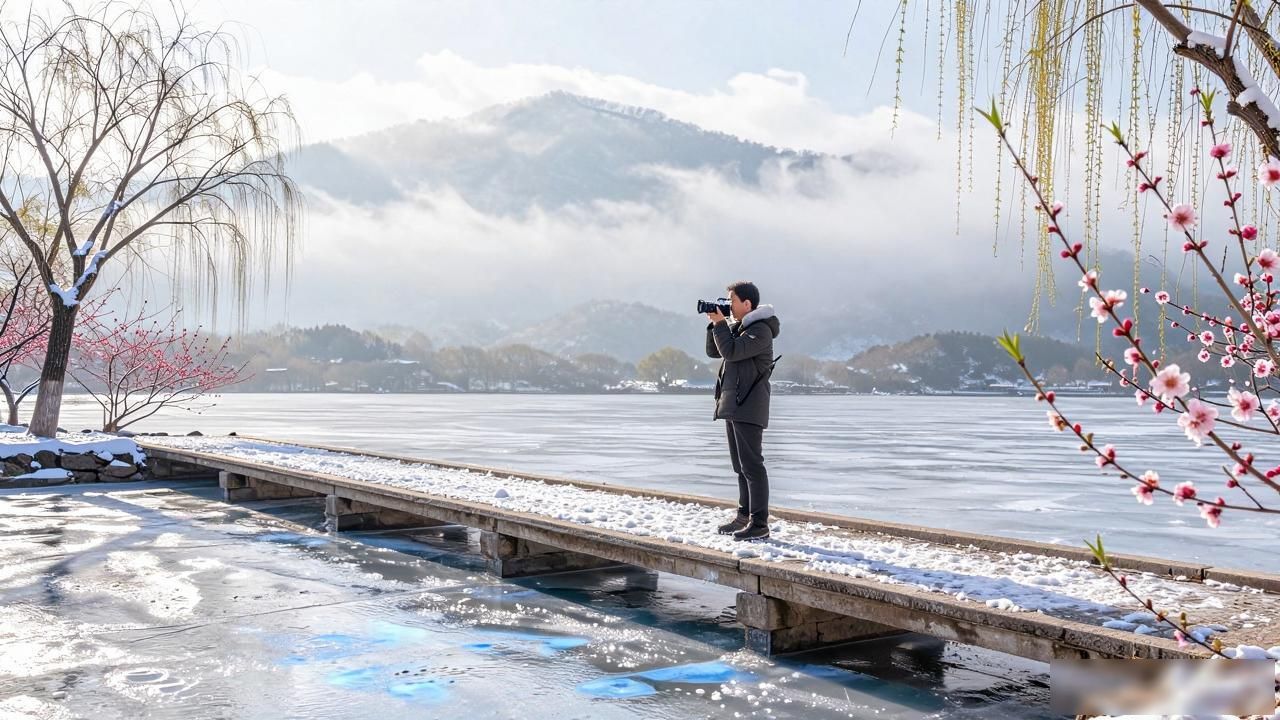
How to capture the best West Lake scenery photos?
Photographing West Lake requires patience and an eye for composition. The key is to avoid crowded periods and seek out lesser-known vantage points. Early morning is ideal for capturing the misty atmosphere without large groups of people. Using a wide-angle lens can emphasize the expanse of the water against the distant hills. However, telephoto lenses are equally effective for isolating specific elements like a lone boat or a detailed roof eave.
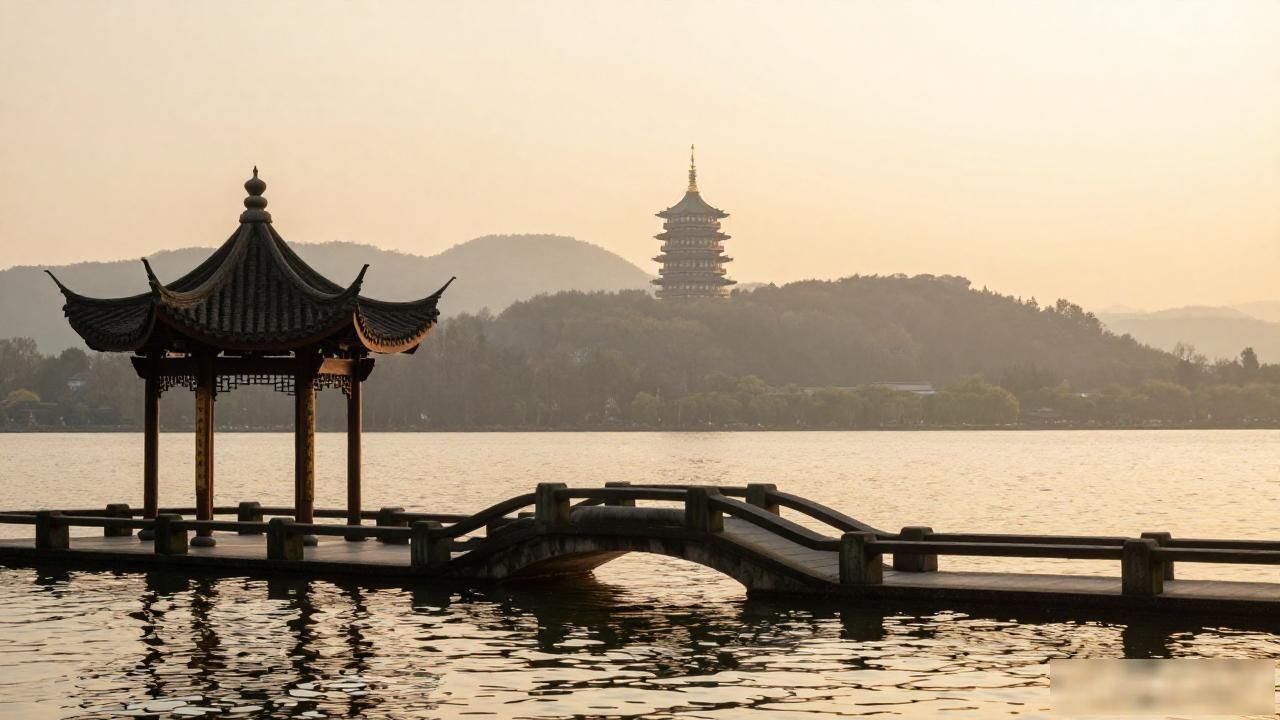
Lighting plays a crucial role in determining the final image quality. Golden hour, shortly after sunrise or before sunset, provides warm tones that enhance the texture of the stone bridges and wooden pavilions. Backlighting can create silhouettes of the pagodas, adding drama to the scene. Experimenting with reflections in the water can double the visual impact of the scenery. It is also wise to include human elements, such as locals practicing Tai Chi or cyclists on the paths, to provide scale and life to the photograph. These small details tell a story that pure landscapes cannot convey alone.
Visitors who master these techniques will return with images that truly reflect the serene beauty of the location. The goal is not just to document a place,but to capture its essence. By focusing on light, composition, and timing, photographers can create compelling visuals. The lake rewards those who look closely and wait for the right moment.