
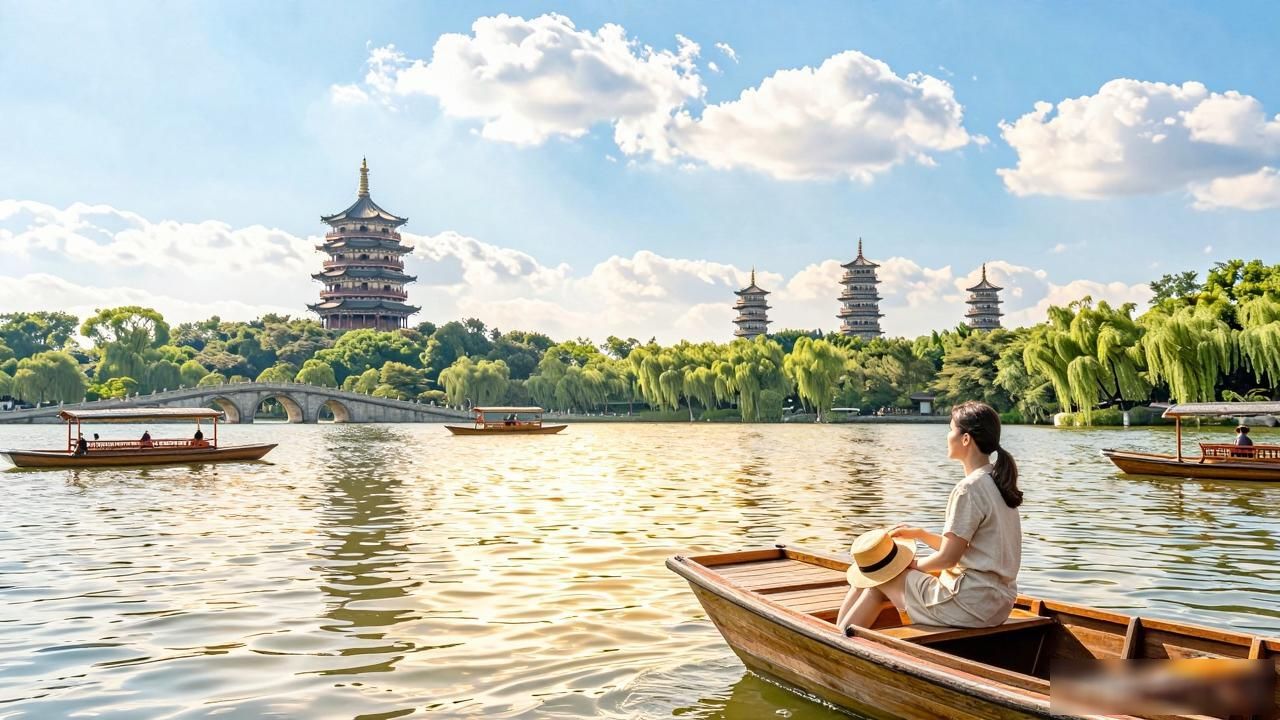
Visiting Hangzhou feels like stepping into a living ink-wash painting, where ancient history blends seamlessly with modern vibrancy. For travelers seeking a break from the frantic pace of Shanghai or Beijing, this city offers a serene yet culturally rich experience. The core appeal lies in its harmonious balance between nature and urban life, anchored by the UNESCO-listed West Lake and the fragrant tea plantations of Longjing. This guide focuses on practical insights to help you navigate the city’s highlights efficiently, ensuring your trip is both memorable and stress-free.
What to See Around West Lake

The West Lake is not just a body of water; it is the spiritual heart of Hangzhou. You can spend an entire day here without feeling rushed. The Su Causeway is perfect for a morning walk, offering misty views that change with the light. Avoid the midday heat by exploring the nearby Leifeng Pagoda, which provides a panoramic view of the lake and the city skyline. Many tourists miss the smaller temples tucked away in the hills,such as Lingyin Temple. It is a profound experience to hear the chanting monks and see the ancient Buddha carvings. Booking tickets online in advance saves hours of waiting in line.
The lake area is also home to the Grand Canal, another UNESCO site. Taking a boat ride here connects you to the city’s maritime history. The waterways were once vital for transporting goods to the imperial capital. Today, they offer a quiet escape from the bustling streets. You can walk along the banks at sunset, watching locals practice Tai Chi or dance. It is a peaceful contrast to the tourist-heavy spots around the main lake.
How to Experience Local Culture and Food
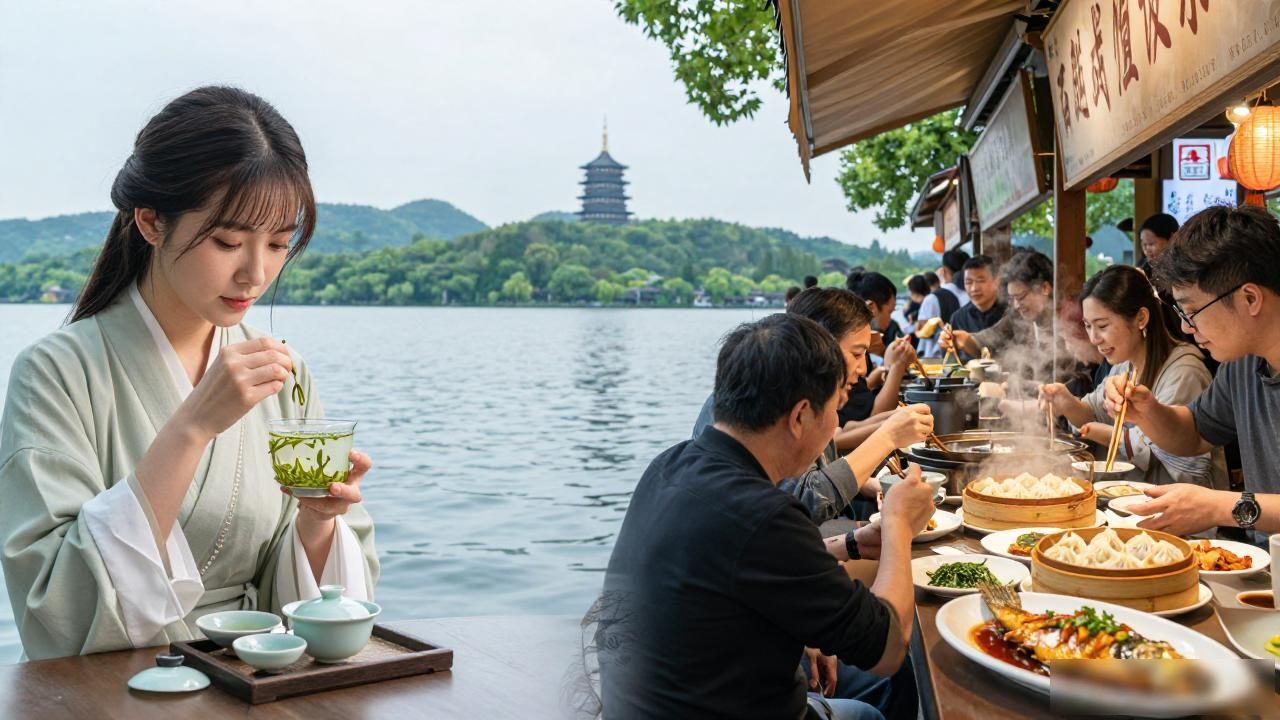
Food in Hangzhou is subtle and refined, focusing on fresh ingredients rather than heavy spices. Dongpo Pork is a must-try, named after the famous poet Su Dongpo who loved this dish. The meat is slow-cooked until it melts in your mouth, offering a sweet and savory flavor profile. Pair it with Longjing Tea, which is grown in the hills surrounding the city. Visiting a tea plantation allows you to watch farmers pick leaves and learn about the brewing process. Tasting fresh tea directly from the source is a unique cultural immersion.
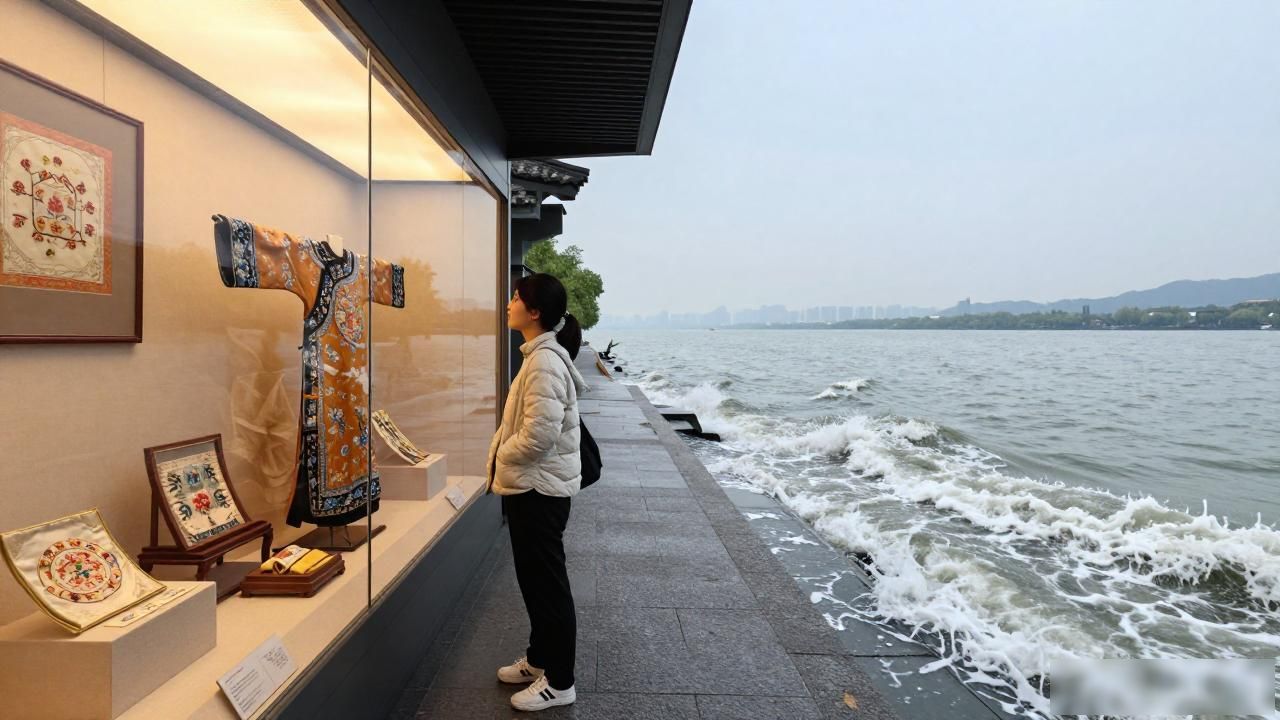
Beyond food, the city’s artisanal heritage deserves attention. Silk has been produced here for centuries, and you can visit museums dedicated to its history. Buying silk scarves or clothing directly from local workshops ensures authenticity. The nearby Qiantang River is spectacular during the tidal bore season, drawing crowds from all over Asia. Even if you miss the peak tide, the riverside parks are great for evening strolls. Hangzhou rewards those who take their time, revealing layers of beauty that fast-paced itineraries often overlook.