
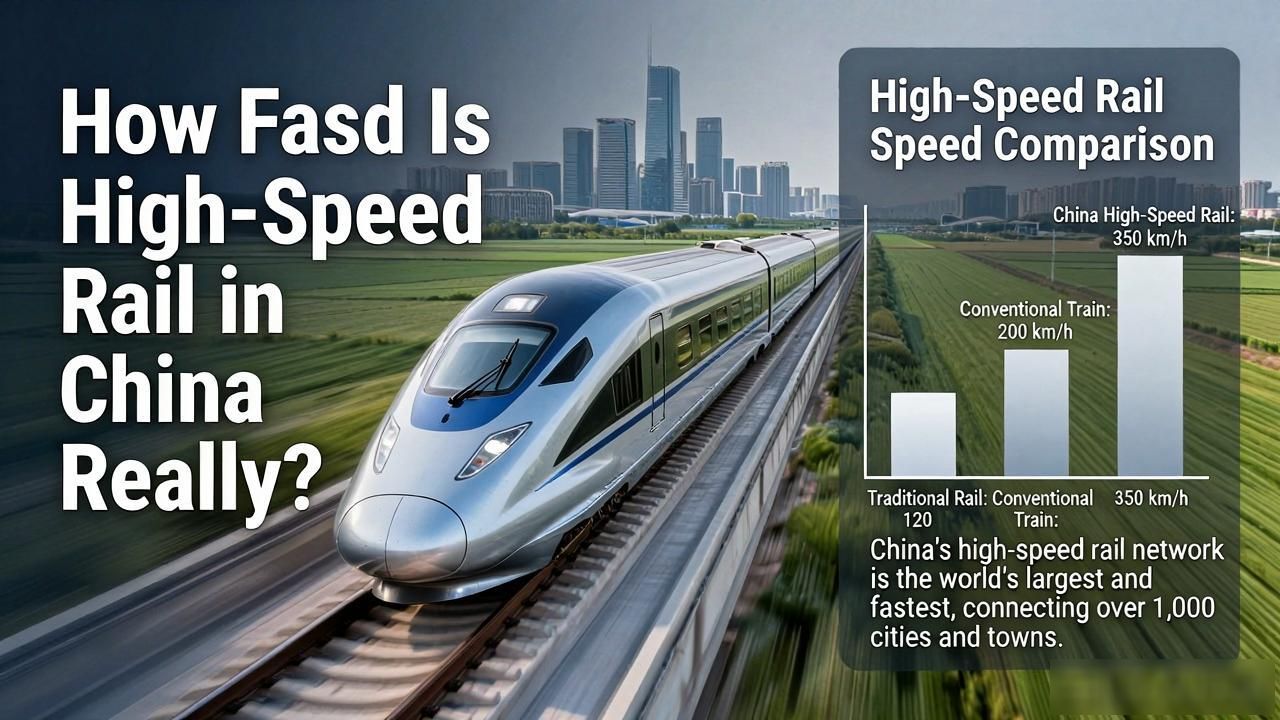
China’s high-speed rail network is not just a transportation system; it is a testament to engineering ambition and logistical precision. For international travelers, understanding the scale and efficiency of this network is crucial for planning trips across the vast country. The system connects major economic hubs with unprecedented speed, transforming what used to be multi-day journeys into mere hours. This shift has redefined domestic travel, making inter-city commuting viable and tourism more accessible.
Why Choose High-Speed Rail Over Flying in China?

Flying between cities like Beijing and Shanghai might seem faster initially, but the total time spent at airports and dealing with security checks often negates the advantage. High-speed trains depart from city centers, eliminating the need for lengthy transfers. The punctuality rate exceeds ninety-eight percent, regardless of weather conditions that frequently ground flights. Passengers enjoy spacious seating, reliable Wi-Fi, and the ability to walk around freely, which significantly enhances comfort during long distances.
Moreover, the frequency of services allows for flexible scheduling. Trains run every few minutes during peak hours, reducing wait times drastically. This reliability builds trust among both business travelers and tourists who value time efficiency. The seamless integration with other public transport modes at stations further simplifies urban navigation, ensuring a smooth journey from arrival to final destination without unnecessary stress or delays.
What Makes China’s High-Speed Rail Technology Unique?
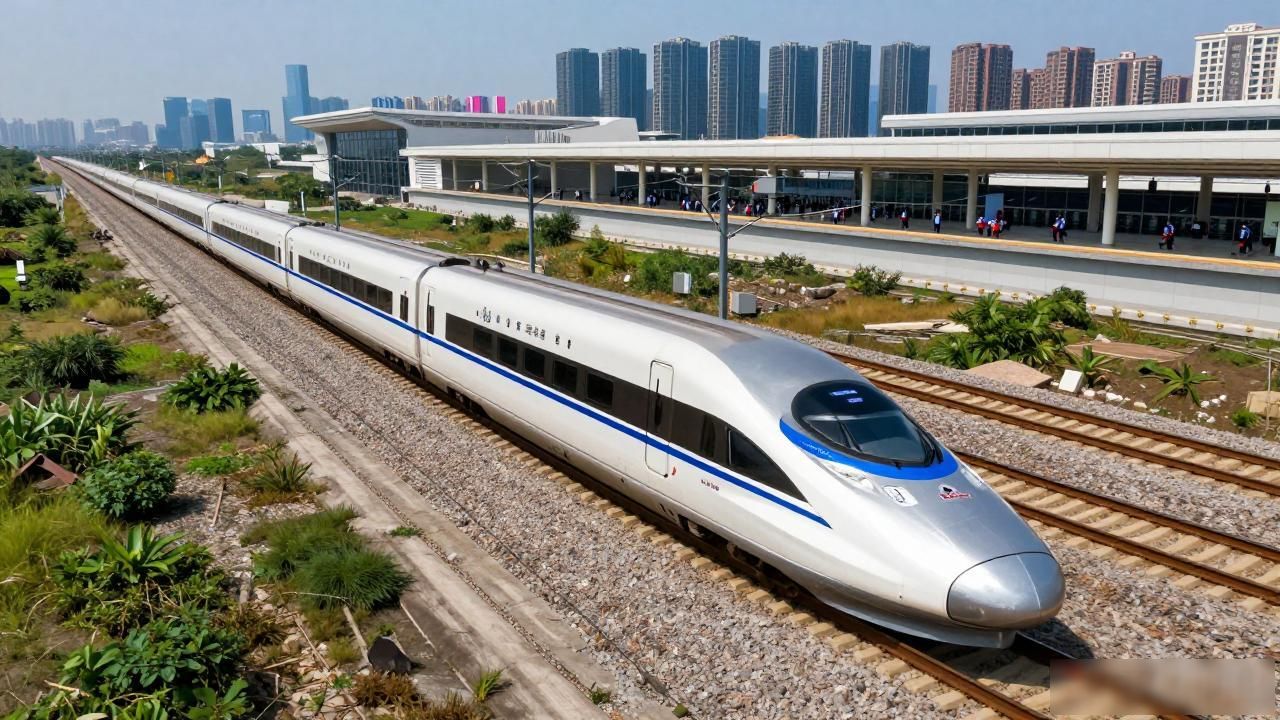
The technology behind these trains involves cutting-edge innovations in aerodynamics and power management. Chinese manufacturers have developed proprietary systems that allow for higher speeds while maintaining safety standards. The tracks are built with extreme precision to minimize vibration and noise, providing a serene ride even at speeds exceeding three hundred kilometers per hour. This technical excellence ensures passenger comfort and operational longevity.
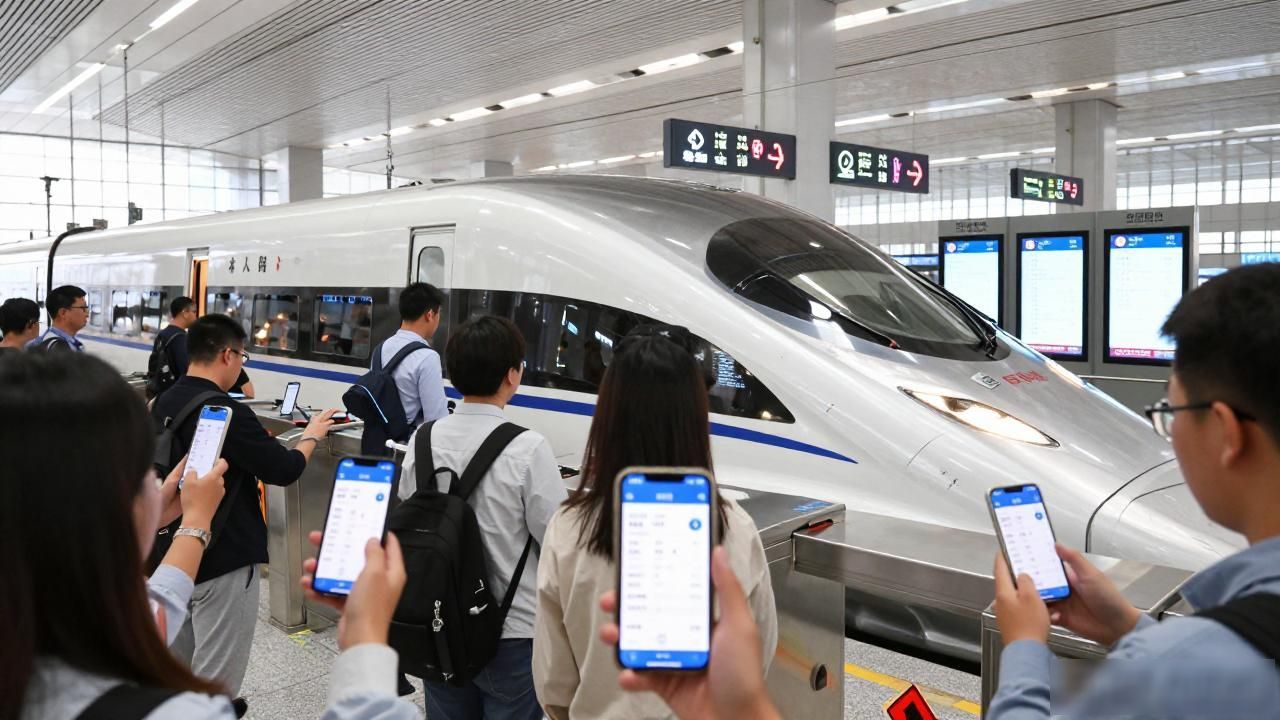
Additionally, the digitalization of ticketing and boarding processes creates a frictionless experience. Mobile payments and facial recognition technologies streamline entry, removing the hassle of physical tickets. This digital integration reflects a broader trend toward smart infrastructure, enhancing user convenience. As the network expands to include more rural areas,the accessibility of high-speed rail continues to improve, bridging geographical divides and fostering economic growth across different regions.