
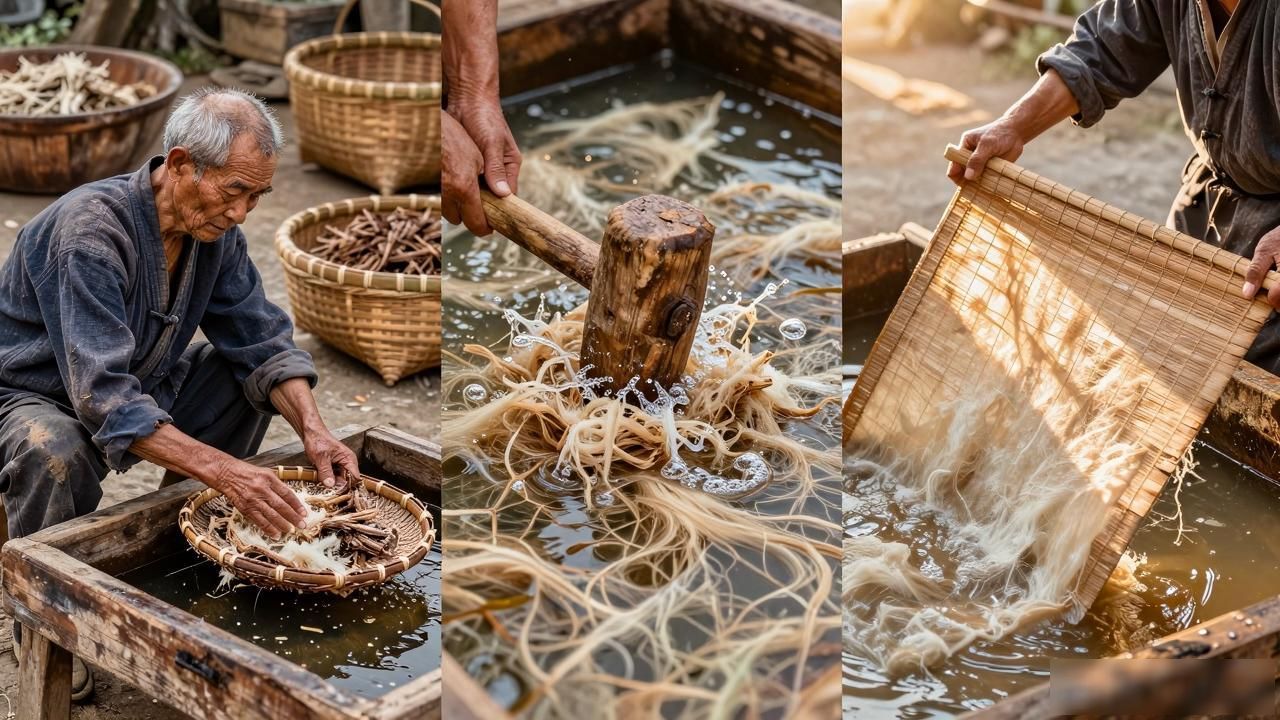
Guilin is famous for its karst landscapes, but the local artisanal traditions offer a tangible connection to the region’s soul. These crafts are not just souvenirs; they are expressions of centuries-old techniques that reflect the harmony between nature and human creativity. From the delicate layers of rice paper to the intricate carvings of bamboo, each item tells a story of patience and precision. Understanding these pieces requires looking beyond their aesthetic appeal to the cultural depth embedded in every stroke and weave.
Why Is Guilin Rice Paper Famous Worldwide?

Xuan paper, often associated with Anhui, has a strong counterpart in Guangxi’s traditional rice paper making. The process begins with selecting specific bark fibers, which are soaked, fermented, and beaten into a pulp. Artisans then use a bamboo screen to lift the fibers from water, creating sheets that are thin yet remarkably durable. This method, passed down through generations, ensures that the paper absorbs ink beautifully, making it a favorite among calligraphers and painters globally.
The texture of this paper is unique because it retains the natural fibers without excessive chemical processing. When you hold a sheet of authentic Guilin-style rice paper, you can feel the slight roughness that indicates its organic origin. It does not tear easily, even when wet, which allows artists to work with multiple washes of color. This resilience makes it ideal for both traditional Chinese painting and modern mixed-media projects.

Collectors appreciate the subtle variations in thickness and tone that occur during the handmade process. No two sheets are exactly alike, adding a layer of uniqueness to every piece purchased. For travelers, buying a stack of this paper is not just a transaction but an investment in a craft that supports local livelihoods while preserving a vanishing art form.
How Are Bamboo Carvings Made in Guilin?
Bamboo carving in Guilin transforms a common plant into sophisticated art objects. The artisans select mature bamboo with dense nodes, ensuring the material is sturdy enough for detailed work. They slice the bamboo into strips and treat them with natural oils to prevent cracking and enhance the wood’s golden hue. The carving tools used are simple chisels and knives, requiring immense skill to create fine details without breaking the fragile material.
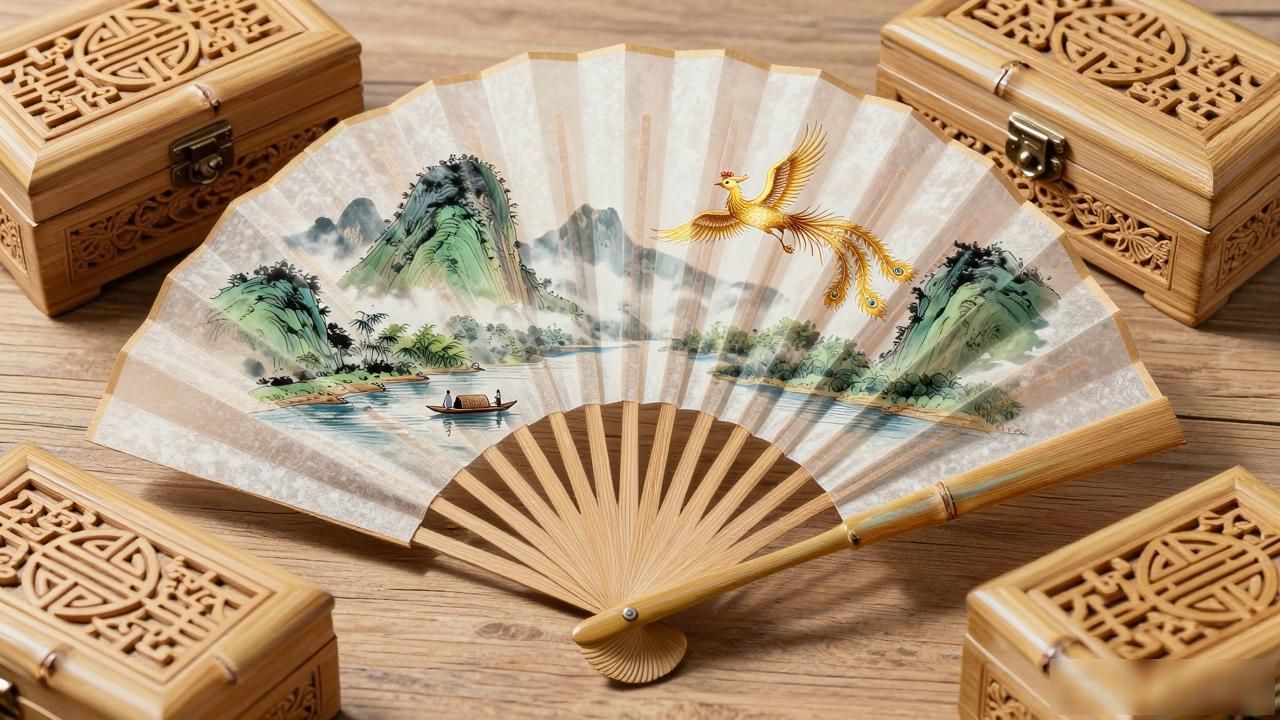
The designs often feature motifs from local folklore,such as dragons, phoenixes, or scenes of daily life in the Li River valley. Each curve and line is executed with precision, reflecting the artisan’s deep understanding of the bamboo’s grain. The resulting pieces, whether they are boxes, fans, or decorative panels, possess a warmth and richness that mass-produced items lack.
Ownership of a bamboo carving connects the buyer to the rhythm of Guilin’s natural environment. The scent of aged bamboo lingers, reminding one of the misty mountains and quiet rivers. It is a piece of history that fits in the palm of your hand, offering a tactile experience of the region’s artistic heritage. Choosing these items means supporting sustainable practices that honor the forest rather than depleting it.