
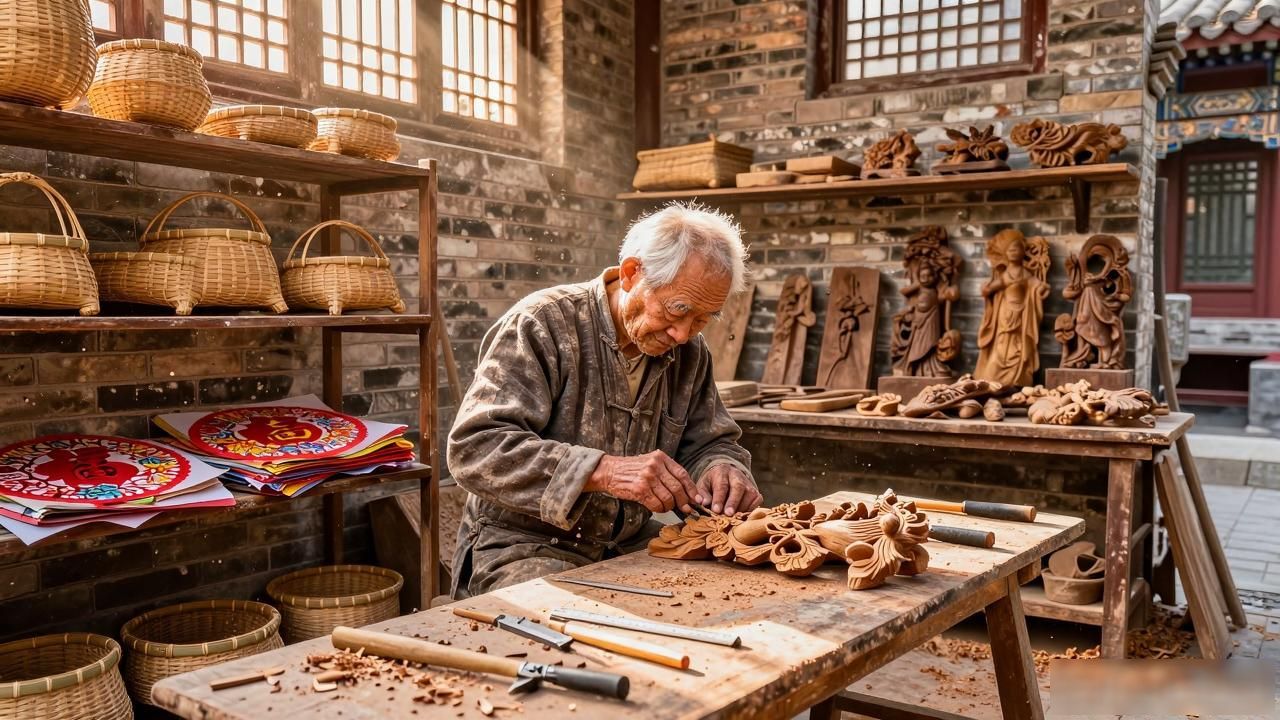
Walking through the narrow alleys of Beijing, you might miss the true spirit of the city if you only look at the grand palaces. The real soul lives in the Hutong handicrafts that have been passed down through generations. These aren’t just souvenirs; they are tangible pieces of history, created by artisans who treat their work as a way of life. For visitors seeking authenticity, understanding these crafts is key to connecting with the local culture.
How to Spot Genuine Hutong Crafts?

Many tourists get confused between mass-produced items sold in tourist traps and the genuine articles made in the quiet corners of the hutongs. The difference lies in the imperfection and the story behind each piece. Look for items made by hand, where slight variations indicate human touch rather than machine precision. Visiting the workshops near Nanluoguxiang or Wudaoying allows you to watch artisans at work. You can see the intricate process of making kites, paper cutting, or cloisonné. This direct observation helps verify authenticity.
Don’t be afraid to ask questions. Artisans are often proud of their heritage and willing to explain the techniques used. Buying directly from them supports their livelihoods and keeps these traditions alive. It is a meaningful exchange that goes beyond a simple transaction.
Why Should Travelers Buy Local Crafts?
In an era of globalized manufacturing, holding a piece of Beijing’s history feels special. These items serve as unique reminders of your trip, far more significant than generic magnets or t-shirts. Each craft reflects the aesthetic values and daily life of Beijing’s residents over centuries. Whether it is a delicate silk fan or a robust clay figurine, these objects carry emotional weight.
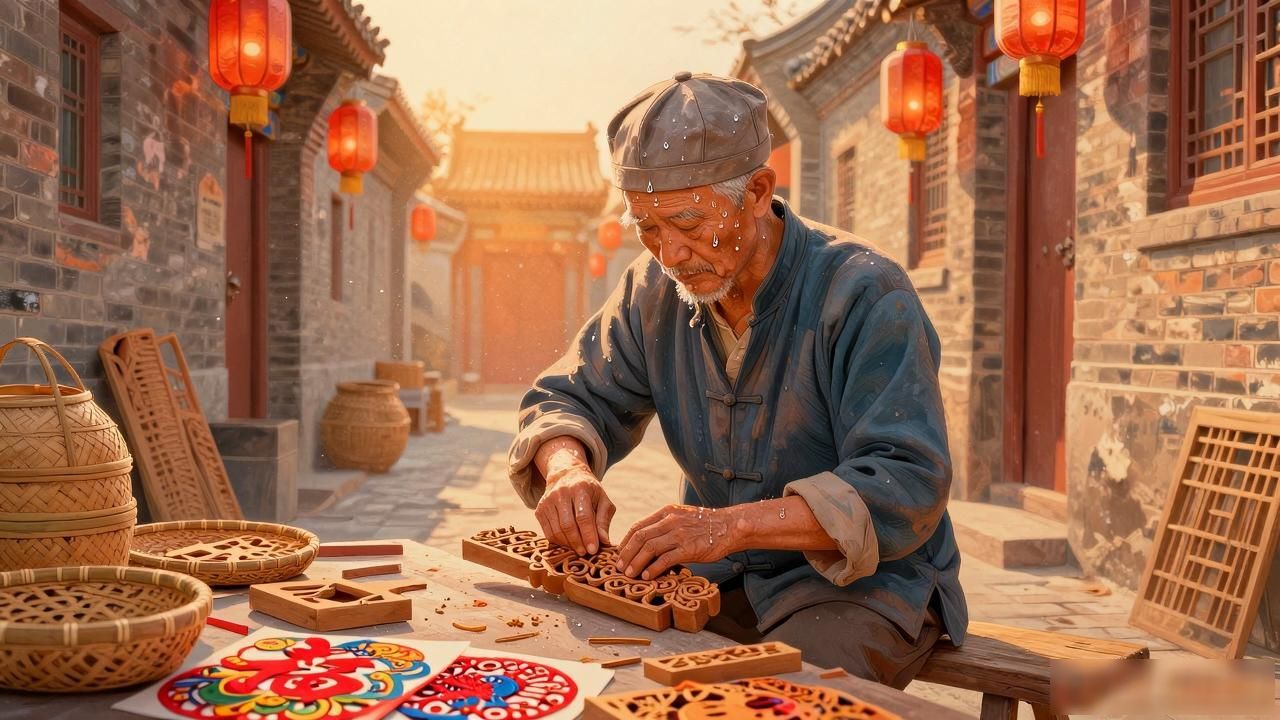
Supporting local artisans also contributes to the preservation of intangible cultural heritage. Many of these skills are at risk of disappearing as younger generations move away from traditional trades. By purchasing these items, you become part of the solution. Your interest encourages the continuation of these ancient practices. The beauty of Hutong handicrafts lies not just in their appearance,but in their resilience and the community that sustains them. Exploring this world offers a deeper, more personal connection to the city’s vibrant past and present.