
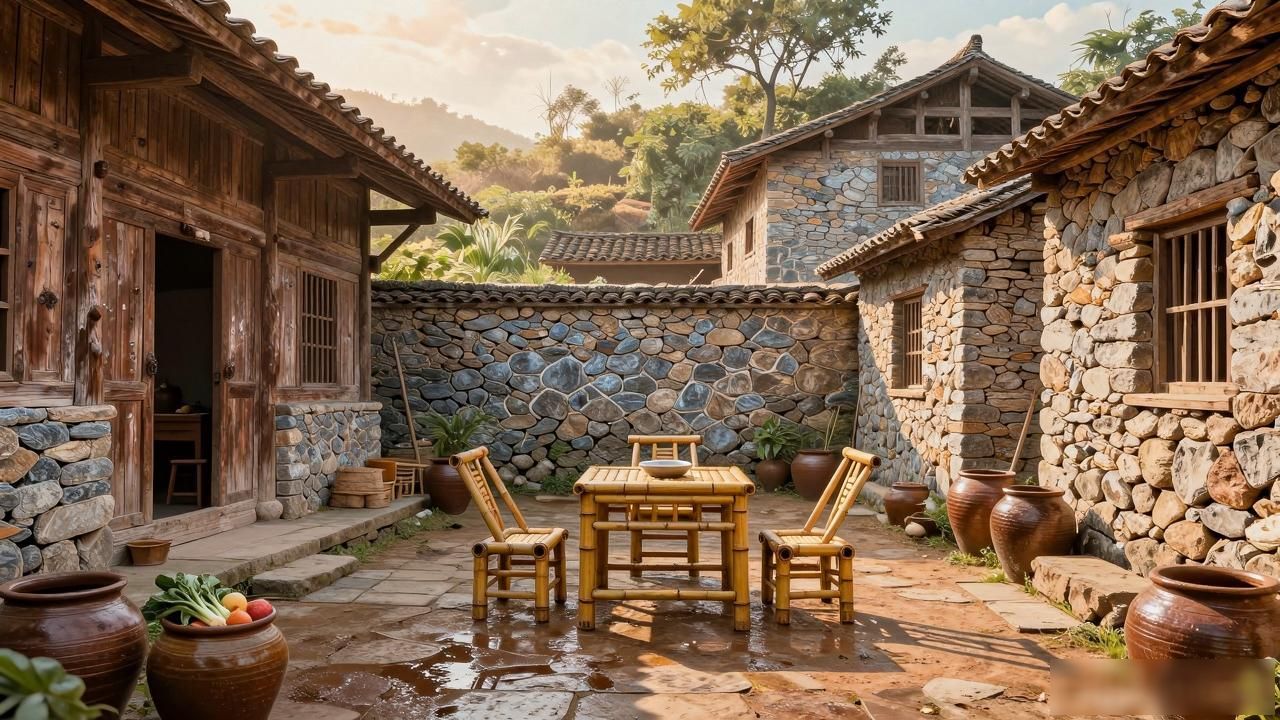
Choosing where to sleep in rural China goes beyond just finding a bed. It is about stepping into local life. Many travelers seek authentic experiences away from crowded cities. They want to taste home-cooked meals and see traditional crafts. This guide helps you navigate this unique side of tourism in China.
What Makes Rural Homestays Different From Hotels?

Standard hotels offer predictable service but lack soul. Rural homestays, often called nongjiale, provide a window into daily village life. You might share a courtyard with the host’s family. The walls are often made of local stone or wood, giving rooms a rustic charm. Staff usually speak limited English, so patience is key. However, their warmth compensates for any language barriers. Guests often eat breakfast on the porch, watching farmers start their day. This connection to the land is rare in urban stays. Prices are generally much lower than city hotels. You get more space and often private gardens.
How to Book and Prepare for Your Stay?
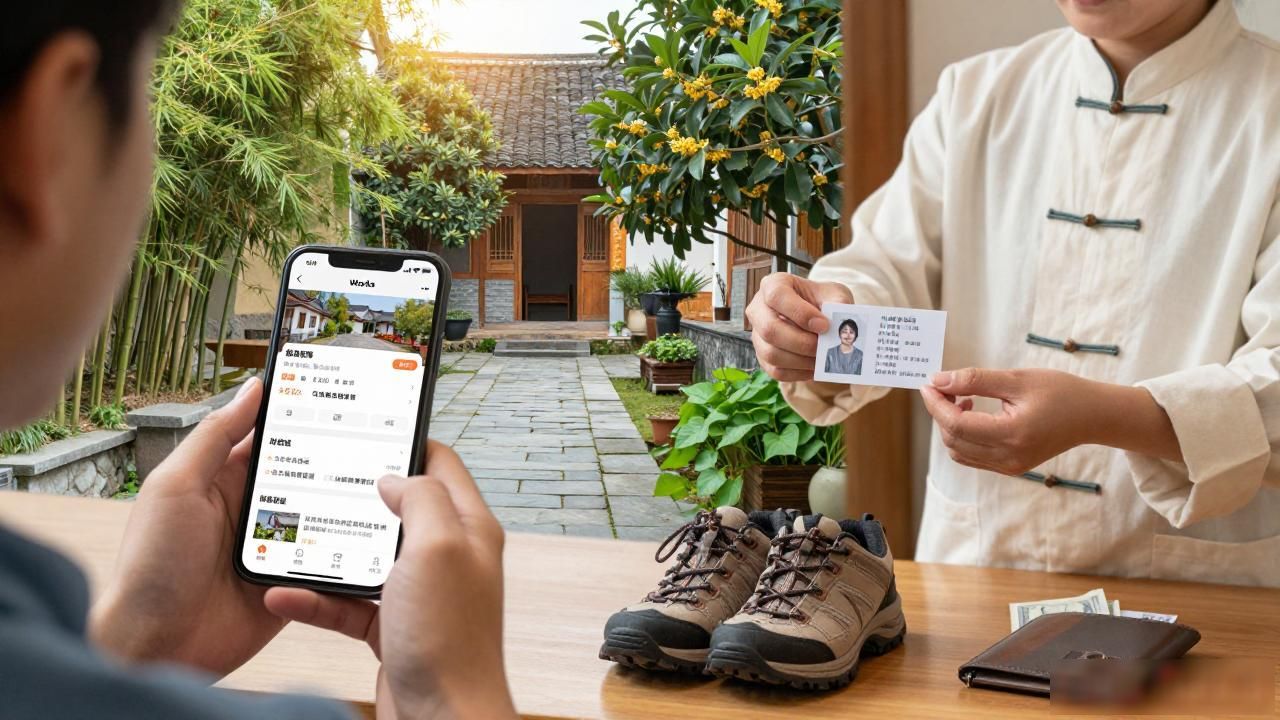
Booking through major apps like works well in popular areas. For remote villages, ask your hotel concierge for local contacts. Always check recent reviews for cleanliness standards. Bring cash, as many rural spots lack card machines. Pack comfortable shoes for walking on uneven paths. Respect local customs, such as removing shoes before entering. Communication is key when ordering food. Learn basic phrases for dietary restrictions. Expect simple amenities; hot water might be limited. Embrace the simplicity. It adds to the adventure. Authenticity defines the rural experience here. Do not expect luxury linens. Instead, enjoy the silence of the countryside. Listen to birds and wind. This peace is valuable.
Why Travelers Should Consider This Option
Leaving the beaten path reveals hidden beauty. Rural China holds ancient traditions intact. Staying locally supports village economies directly. You become part of the community temporarily. This mutual exchange creates memorable stories. Safety remains high in most rural areas. Villages are tight-knit and welcoming. Foreigners are often treated with curiosity and kindness. Try local spirits like rice wine. They are strong and homemade. The food is fresh,picked minutes ago. It tastes unlike restaurant dishes. This freshness is unmatched.
Final Thoughts on Rural Stays
Rural homestays challenge comfort zones but reward explorers. They offer a glimpse into China’s agricultural heart. Plan ahead but remain flexible. Be open to surprises. Every village has its own rhythm. Cultural immersion happens naturally there. You learn by living, not just watching. This approach transforms travel from sightseeing to experiencing. It changes how you view the country. Consider it for your next trip. It will stay with you.