
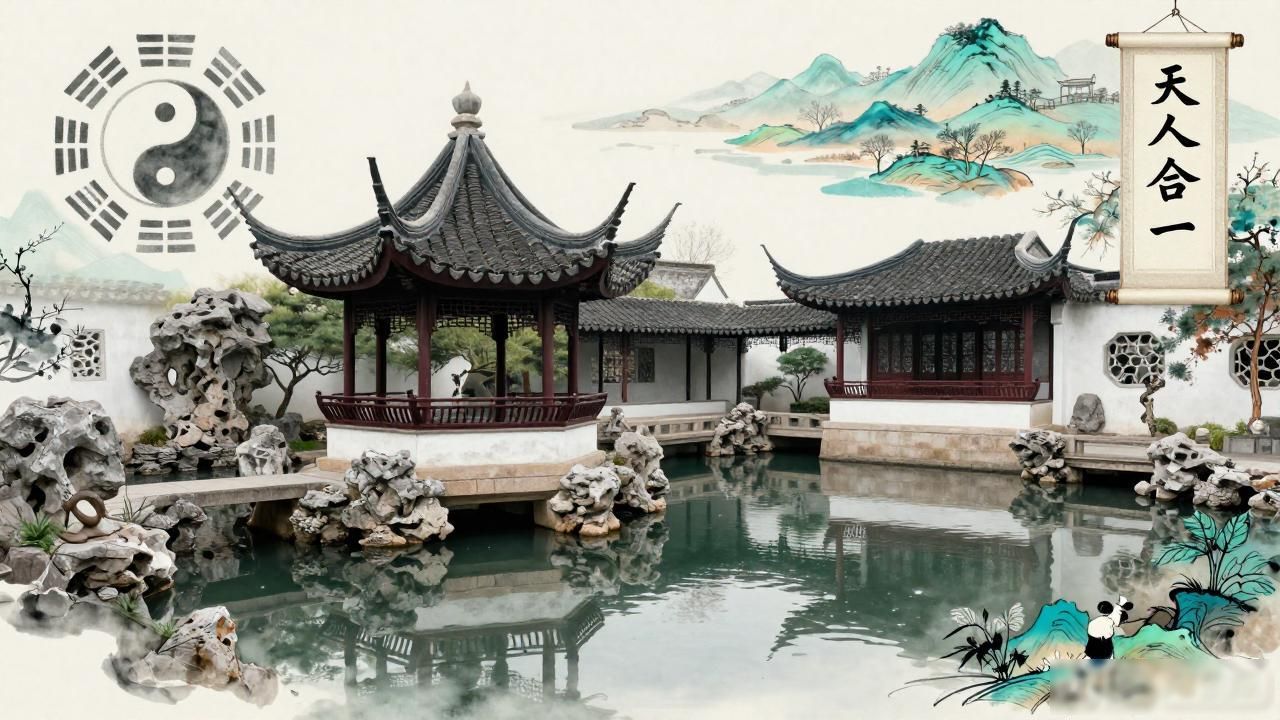
The origin of Suzhou Gardens is a fascinating journey into China’s cultural and artistic history. These classical gardens, recognized as UNESCO World Heritage sites, were not built overnight but evolved over centuries as a reflection of Chinese philosophy, social status, and a deep love for nature. Understanding where they came from helps us appreciate why they look so unique and peaceful.
Why were Suzhou Gardens first built
The earliest Suzhou Gardens were private retreats, not public parks. During the Spring and Autumn Period around 514 BC, the city of Suzhou became the capital of the Wu Kingdom, and rulers started building imperial hunting grounds and simple gardens. But the real boom happened during the Ming and Qing dynasties. Wealthy merchants, retired government officials, and scholars poured money into building gardens as a way to show off their success and escape the busy city life. They wanted a quiet place to read, paint, drink tea, and write poetry. The garden was their personal paradise, a miniature version of nature that they could control and enjoy every day.
These gardens were also a symbol of social class. The more elaborate and well-designed your garden was, the more refined and powerful you appeared to others. Many owners were connoisseurs of art and philosophy, and they hired the best painters, poets, and craftsmen to design every rock, pond, and pavilion. So the origin is deeply tied to personal ambition and the desire for peaceful living.

How did Chinese philosophy shape the garden design
The design of Suzhou Gardens is not random; it follows ancient Chinese ideas about nature and harmony. The core philosophy comes from Taoism and Confucianism. Taoism teaches that humans should live in balance with nature, not fight it. Garden designers created artificial mountains, winding streams, and secluded corners to imitate famous natural landscapes like the mountains and rivers of southern China. They believed that a well-made garden could bring good energy, or “qi,” to the owner.
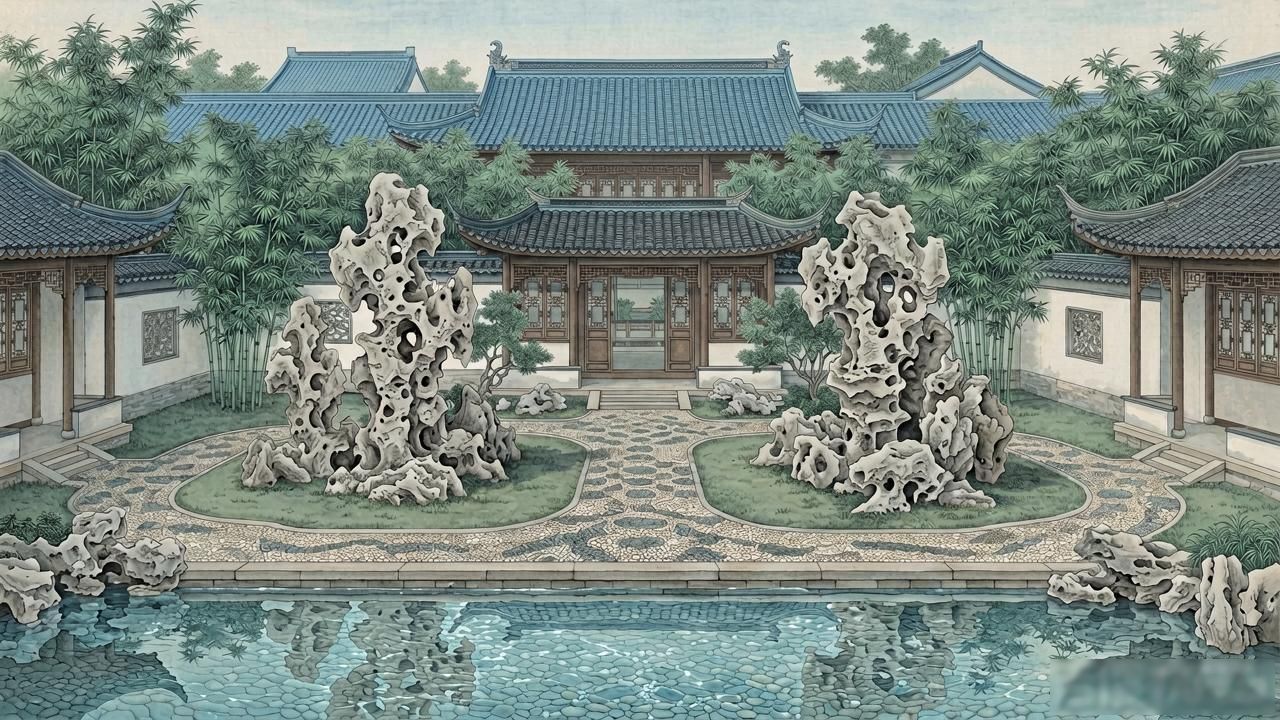
Confucianism also played a part. It emphasized order, hierarchy, and moral cultivation. So gardens had symmetrical layouts in some areas but deliberately irregular paths in others, mixing structure with surprise. Every element had meaning: rocks represented strength and longevity, water symbolized wisdom and flexibility, and specific plants like bamboo stood for resilience and honesty. Visitors were meant to walk through the garden and experience a journey, with each turn revealing a new scene. That’s why you see so many windows, gates,and corridors that frame different views. The origin of Suzhou Gardens is therefore a story of people trying to create a perfect world, blending art, philosophy, and nature into one space.
By the Qing Dynasty, Suzhou had become a center for garden craftsmanship, and the techniques were passed down through generations. Today, these gardens preserve that ancient wisdom, offering a window into a time when life was slower and beauty was carefully crafted by hand.