
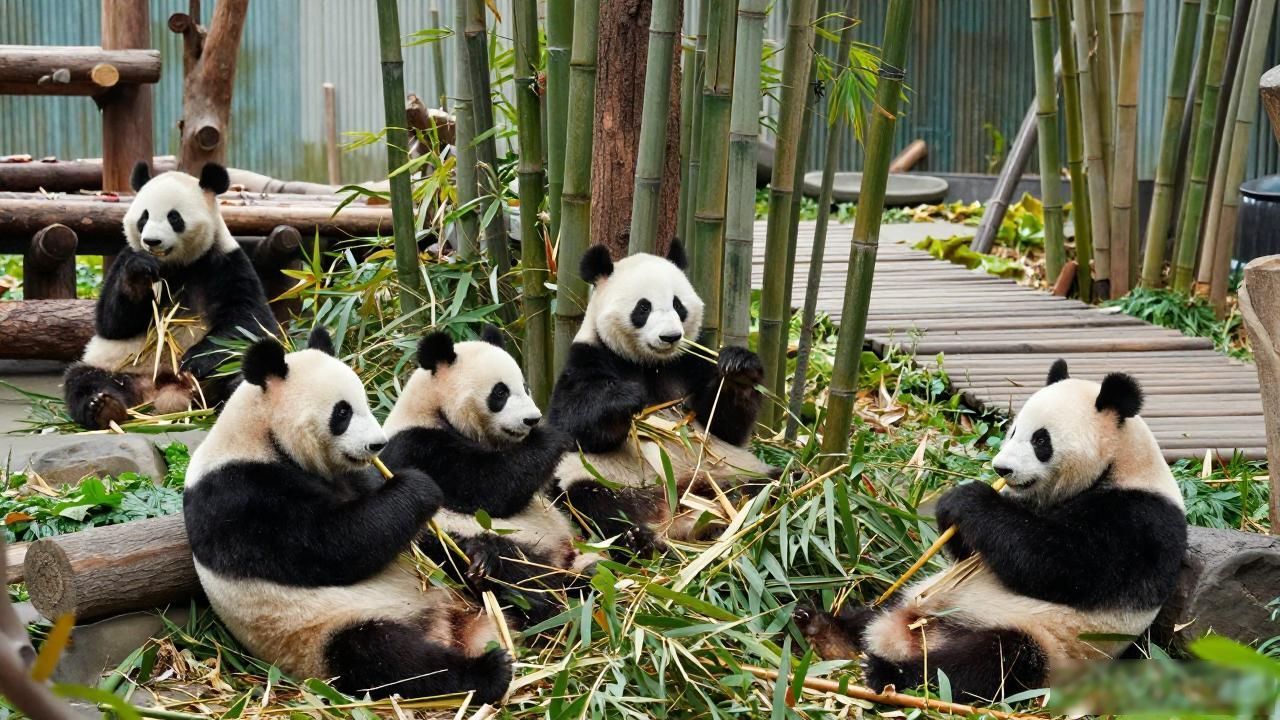
Panda viewing in China is a dream for many wildlife lovers and travelers from around the world. As a conservation expert who has spent years working with giant pandas in their natural habitats, I want to share what makes this experience truly special. The giant panda is not just an animal; it is a symbol of peace and a living treasure of China. Understanding where and how to see them properly can turn a simple visit into an unforgettable journey.
Where can you see pandas up close in China

The most famous place for panda viewing is the Chengdu Research Base of Giant Panda Breeding in Sichuan province. This is where you will find the largest number of pandas in a semi-wild environment. The base is designed to mimic their natural habitat,so pandas behave more naturally here than in traditional zoos. I recommend arriving early in the morning, around 7:30 AM, because pandas are most active during feeding time. You can watch them eat bamboo, play with each other, and even see baby pandas in the nursery if you visit during breeding season.
Another excellent location is the Wolong National Nature Reserve, also in Sichuan. This reserve is more remote and less crowded than Chengdu. Here, pandas live in larger forested areas, and you can join guided tours that explain conservation efforts. If you want a quieter experience with more space, Wolong is your best bet. The Bifengxia Panda Base in Ya’an is also worth visiting because it offers a chance to volunteer as a panda keeper for a day, which is a rare and hands-on way to connect with these animals.
What is the best time of year for panda viewing
Timing your visit matters a lot for a great experience. The best months are from March to June and September to November. During these periods, the weather is mild, and pandas are more active outdoors. Summer can be hot and humid, which makes pandas sleepy and less likely to move around. Winter is cold, but pandas actually enjoy the cool temperatures, so you might see them playing in the snow if you visit in December or January.
The baby panda season runs from July to September, which attracts many visitors. If you want to see newborn cubs, this is the time to go, but expect larger crowds. I suggest booking tickets in advance during these months, especially for Chengdu Base. Also, avoid Chinese public holidays like National Day in October, when domestic tourism peaks and sites become extremely busy. Visiting on a weekday will give you better views and shorter lines.
End your trip by reflecting on how these incredible animals are protected through dedicated conservation work. Seeing pandas in China is not just about taking photos; it is about understanding the delicate balance between wildlife and human care. Every visit supports efforts to keep pandas safe for future generations.