
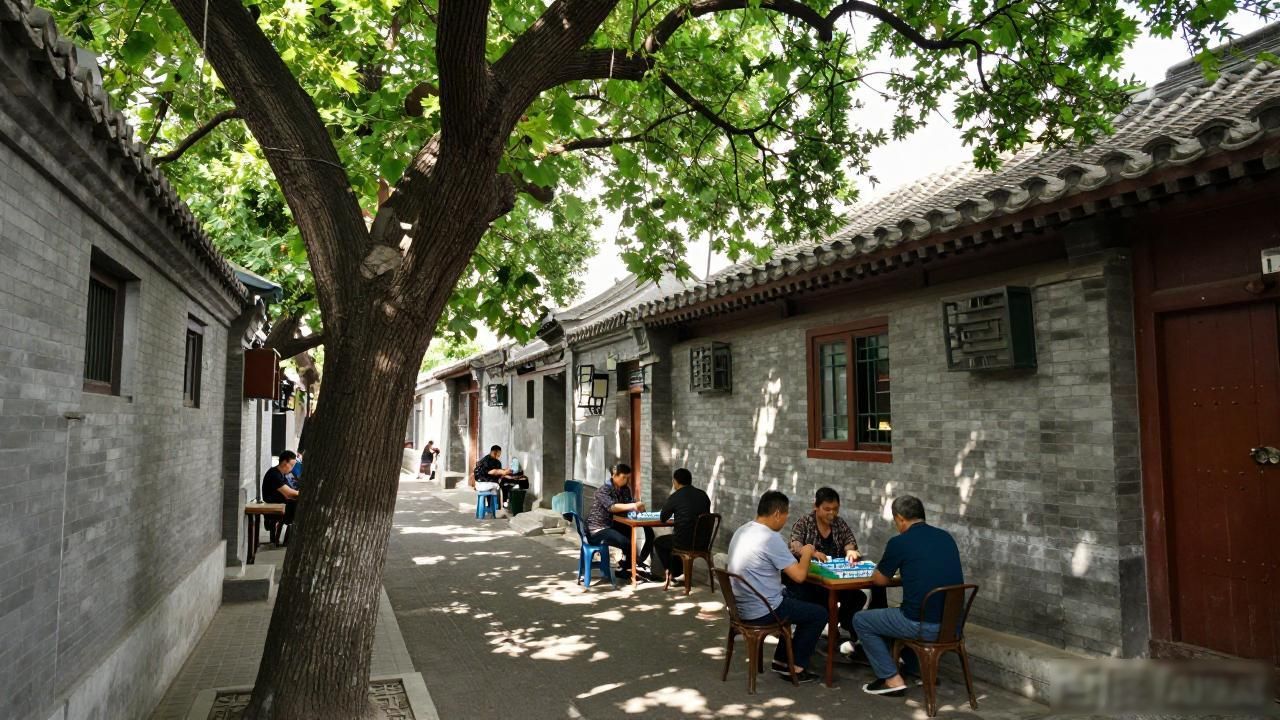
When people think of Beijing, they often picture the Forbidden City or the Great Wall. But for me, the real soul of this city lies in its hutongs—the narrow, winding alleyways that weave through the old neighborhoods. These lanes are not just paths between homes; they are living museums of daily life, where ancient traditions meet modern hustle. In this guide, I want to share what makes hutongs so special and how you can experience them like a true local.
Why Beijing hutongs are more than just old streets

Many visitors rush through hutongs, snapping a few photos and moving on. But if you slow down, you’ll realize these alleys tell stories. Each hutong has its own character. Some are quiet and residential, shaded by old locust trees, where you can hear the clatter of mahjong tiles from open windows. Others are bustling with small shops selling handmade crafts, steaming jianbing, and cold beers. The key is to wander without a map. I remember turning into a dead-end lane once and finding a tiny courtyard where an elderly woman was teaching her granddaughter to cut paper for Spring Festival. That moment felt more authentic than any ticketed attraction.
The architecture itself is a lesson in history. The siheyuan, or courtyard houses, were built for extended families. Walking past the gray brick walls, you can still see carved stone doorways and wooden beams that have stood for centuries. Don’t be shy to peek inside if a door is open—many residents are happy to chat if you smile and greet them in simple Chinese. Just remember to be respectful. These are people’s homes, not a museum exhibit.
How to pick the best hutong for your first visit
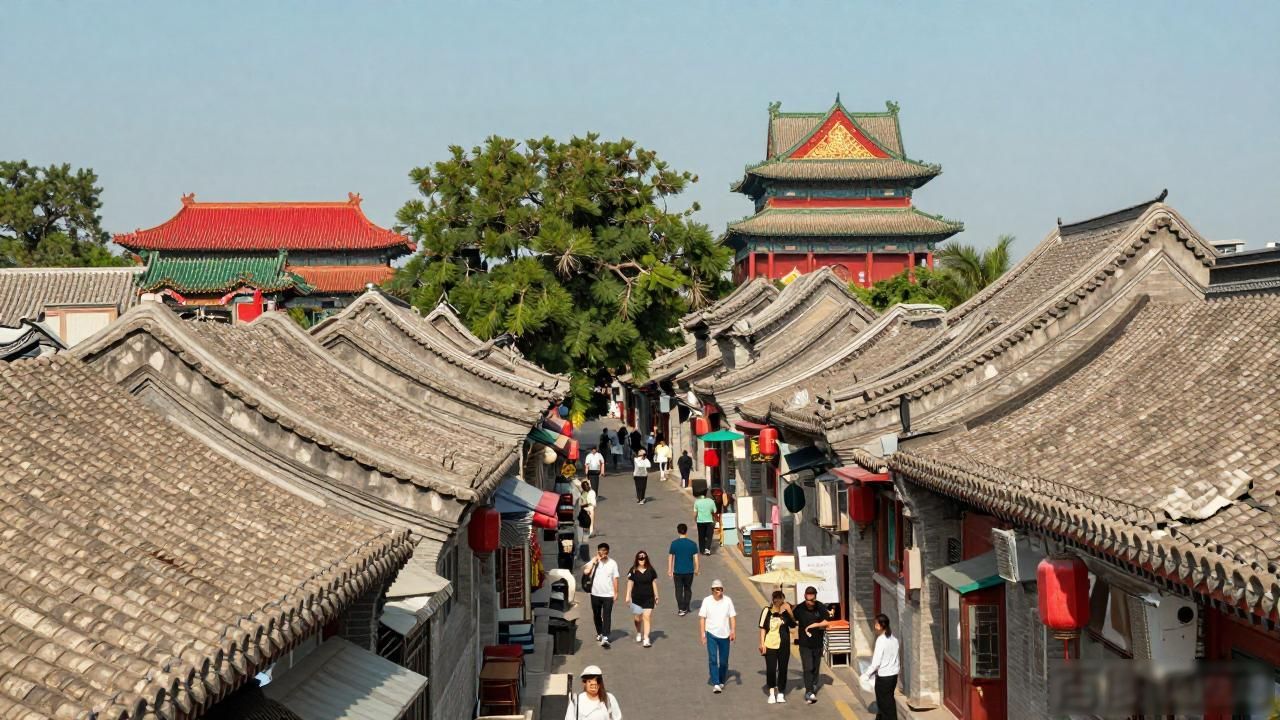
You might wonder which hutong to explore first. There are hundreds, but some stand out for different reasons. Nanluoguxiang is the most famous. It’s lively, packed with cafes, boutiques,and bars. It’s great if you want energy and convenience, but it can feel touristy. For a quieter experience, head to Wudaoying Hutong near the Lama Temple. It’s lined with independent bookstores, vintage shops, and cozy teahouses. I often go there just to sit by a window and watch the neighborhood go by.
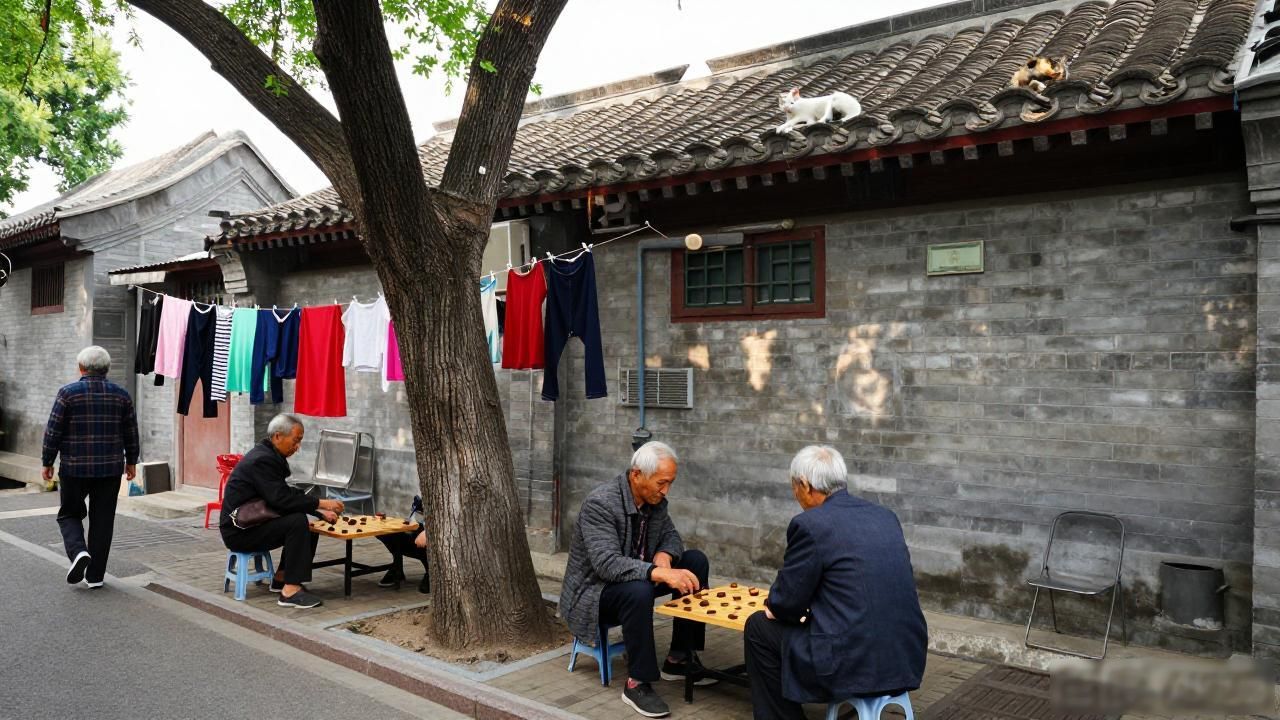
If you’re after something truly off the beaten path, try the hutongs near the Drum and Bell Towers. These lanes are less commercial and offer a raw glimpse of local life. You’ll see old men playing Chinese chess on stools, laundry hanging between trees, and cats napping on rooftops. Renting a bicycle is a smart move. It lets you cover more ground without getting lost. Just keep an eye on the small alleys—some are too narrow for cars, and that’s exactly where the best surprises hide.
The best time to visit is late afternoon. The golden light makes the gray bricks glow, and the streets come alive with the smell of cooking. Grab a bottle of local yogurt from a corner shop and just walk. No rush. No checklist. That’s how hutongs reveal themselves.