
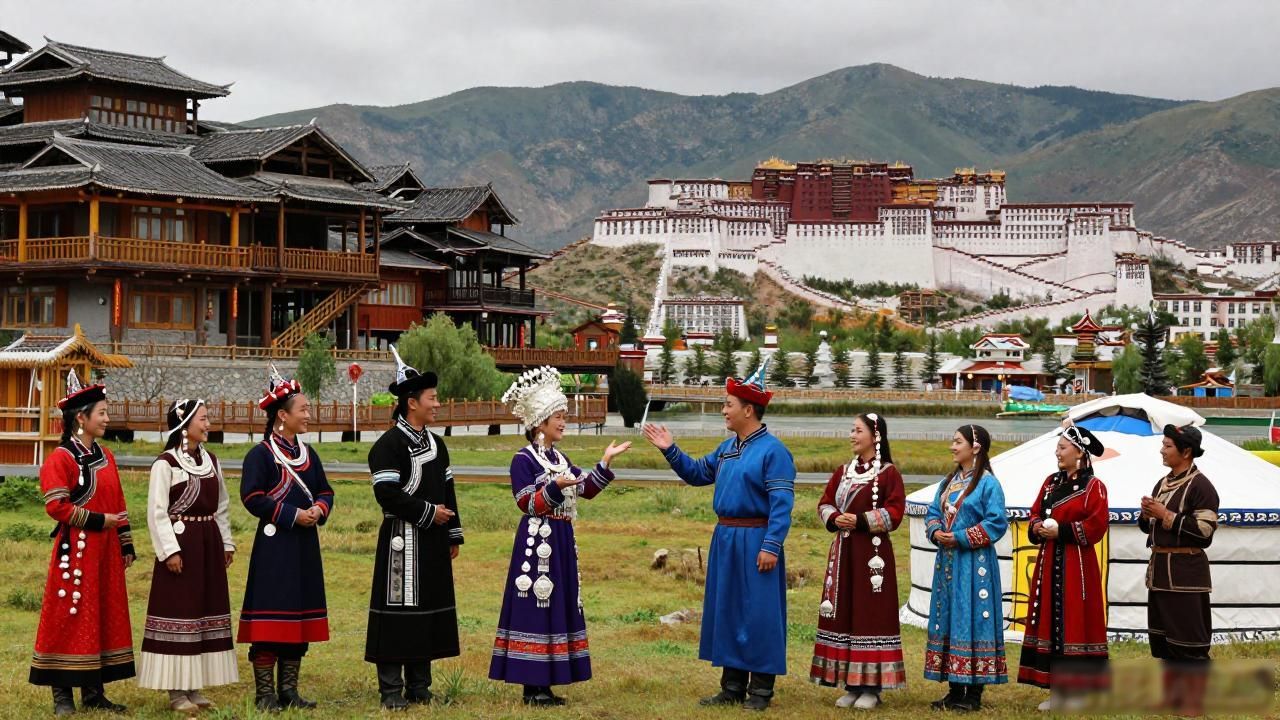
China is home to 56 officially recognized ethnic groups, each with its own distinct language, traditions, and way of life. While the Han Chinese make up the vast majority, ethnic minorities like the Tibetan, Uyghur, Miao, Zhuang, and Yi peoples add incredible cultural richness to the country. Travelers often overlook this side of China, but exploring these communities offers a deeper, more authentic understanding of what makes China truly unique. From vibrant festivals to handmade crafts and remote mountain villages, ethnic minority China is a world waiting to be explored.

Why are ethnic minorities in China so culturally diverse
Geographic isolation has played a major role in preserving the unique identities of China’s ethnic minorities. Many groups live in mountainous regions, deep valleys, or along remote borders, which limited outside influence for centuries. The Miao people, for instance, are known for their intricate silver jewelry and embroidery, traditions passed down through generations without much change. Meanwhile, the Dai people in Yunnan practice Theravada Buddhism and celebrate the Water Splashing Festival,a custom rarely seen elsewhere in China. Each group adapted to its environment, developing distinct clothing, music, and rituals that remain vibrant today. Even within the same province, you can find two villages speaking entirely different languages. This diversity is not just historical, it is alive and evolving in modern China.
What are the best places to visit ethnic minority regions
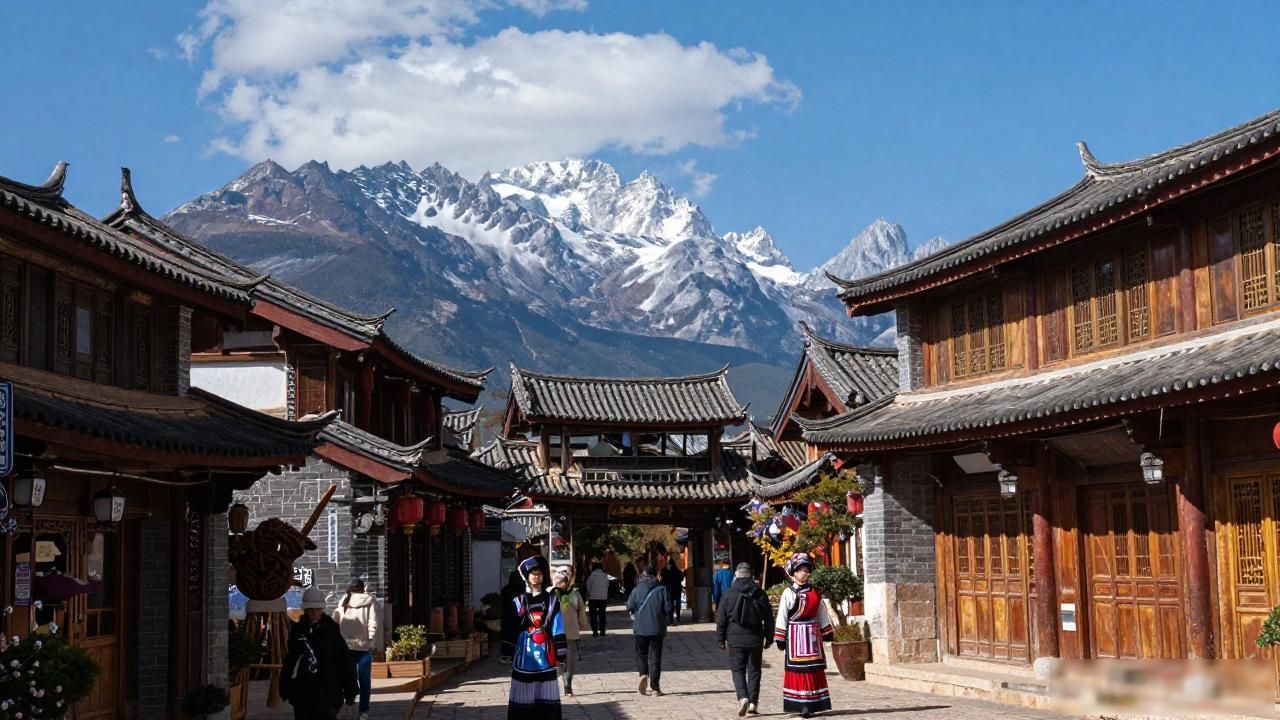
For anyone serious about experiencing ethnic minority China, Yunnan province is the top destination. Places like Lijiang Old Town and Shangri-La offer easy access to Naxi and Tibetan cultures, but the real gems are smaller towns like Dali and Xishuangbanna. Dali is home to the Bai people, known for their white-walled architecture and peaceful lakeside lifestyle. Xishuangbanna, bordering Laos and Myanmar, is where the Dai people live in stilt houses surrounded by tropical rainforests. Further north, the Tibet Autonomous Region offers a completely different world, with Potala Palace and nomadic herders living on the high plateau. Guizhou province is another hidden treasure, where Miao and Dong villages host some of China’s most colorful festivals. Travelers should plan around local holidays, as that is when traditional costumes, dances, and ceremonies are at their peak. Transportation can be challenging, but hiring a local guide often makes the experience far richer and more respectful.
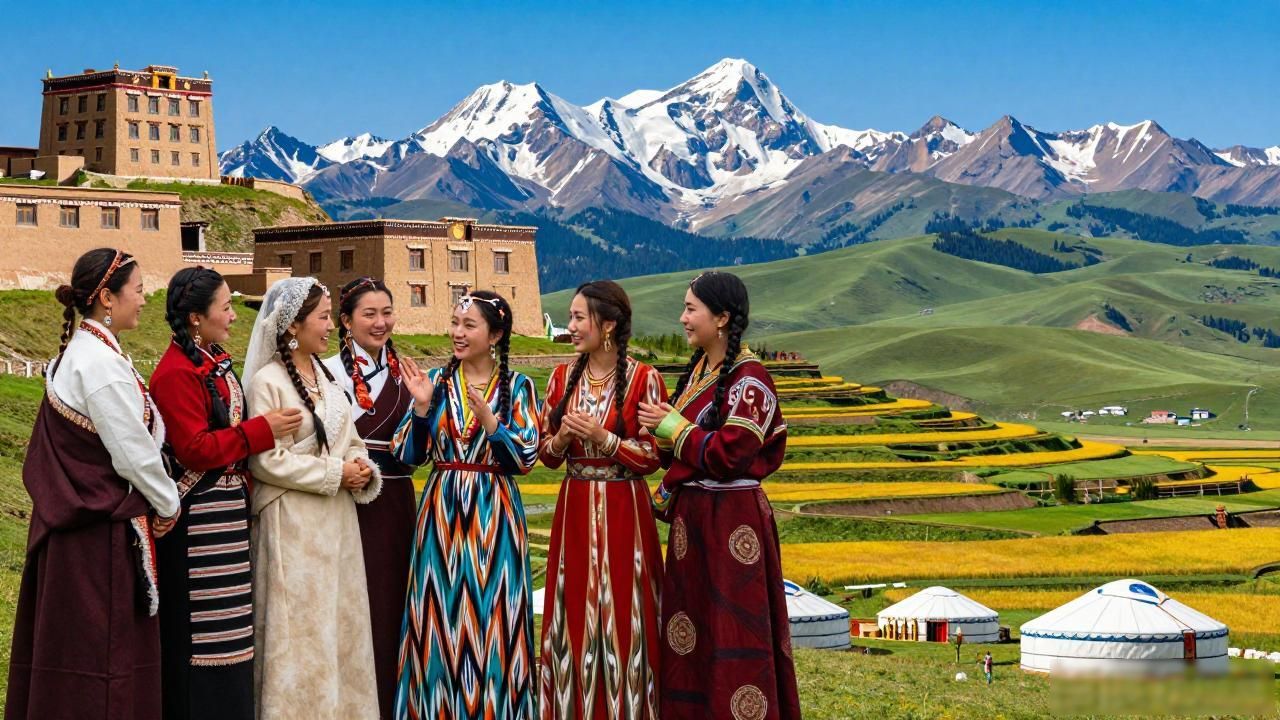
The ethnic diversity of China is not a footnote, it is a living heritage that adds depth to any trip. Whether you are wandering through a Dai market or hiking to a Tibetan monastery, you are stepping into stories that have been unfolding for thousands of years. Respect local customs, learn a few words of greeting, and let curiosity guide you. The real China is not just in its skyscrapers, it is in the mountains, valleys, and festivals of its ethnic minorities.