
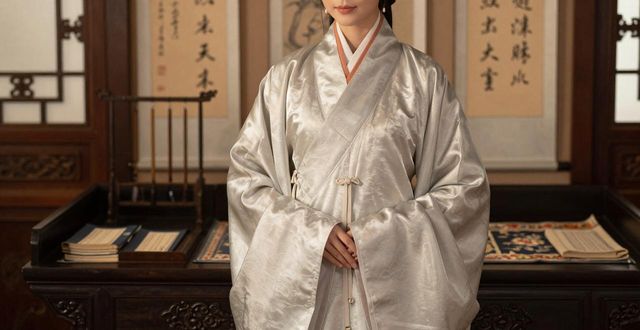
When people search for “Authentic Hanfu styles,” they are usually looking for something real—not costume replicas, not modern adaptations, but garments that follow historical construction, fabric, and layering methods. Authentic Hanfu refers to traditional Chinese clothing from specific dynasties such as Tang, Song, Ming, and Wei-Jin, reconstructed based on archaeological findings, historical texts, and preserved artifacts. This is not about fashion trends; it is about cultural accuracy and material heritage.
What defines an authentic Hanfu style

The first thing to understand is that authenticity in Hanfu is not a matter of opinion. It is determined by a combination of fabric type, cut, fastening method, and layering order. For example, a Ming-style Hanfu uses a straight collar and ties on the right side, while Tang-style often features a low-cut neckline and wide sleeves. Silk, hemp, and ramie are traditional materials, and modern polyester blends are generally considered inauthentic unless they mimic the texture and drape of natural fibers. Even the way the collar crosses matters: left-over-right is a critical rule that distinguishes proper Hanfu from costume wear often seen in movies.
Another key factor is the inner garment, or zhongyi. In complete authentic Hanfu, the zhongyi is not optional. It is worn underneath the outer robe and must be visible at the collar and cuffs. Many beginners skip this layer or replace it with a modern shirt, which breaks the visual integrity of the style. The layering is not decorative—it is structural. The weight of the fabric, the seam placement, and even the length of the skirt or robe must match historical records. For instance, Song-style Hanfu tends to have narrower sleeves and a more fitted silhouette compared to the flowing, wide-sleeved Tang style.
How to verify authenticity when shopping
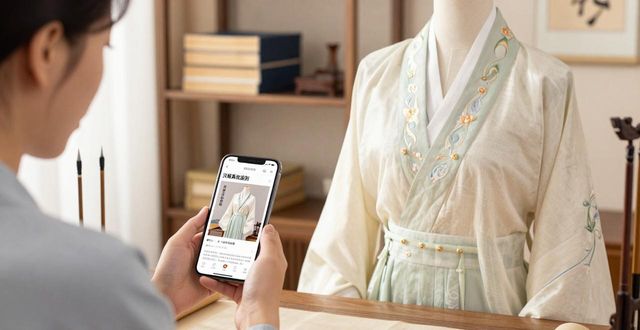
If you are buying Hanfu online, the easiest way to check authenticity is to look at the product description and photos. Reputable sellers mention the dynasty inspiration and the fabric composition clearly. If a listing says “Tang-style” but shows a dress with a modern zipper,elastic waistband, or synthetic print, it is not authentic. Real Hanfu uses fabric belts, buttons made of knotted cord, or metal clasps. Zippers and velcro are modern additions that change the structure of the garment.
You should also check the collar direction. In all authentic Hanfu, the left side of the collar crosses over the right side. If the collar crosses the other way, it is incorrect. This detail is often overlooked by mass-market sellers. Another check is the sleeve shape. Historical Hanfu sleeves are either straight, wide, or shaped like a horseshoe, but they are never set like a modern shirt sleeve. The armpit area should be roomy, and the sleeve opening should be significantly wider than the upper arm. If the sleeve is tight or fitted like a Western blouse, it is not authentic.
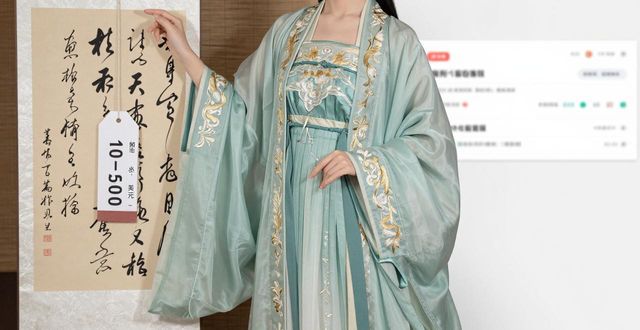
Finally, consider the price. Authentic Hanfu, especially those made from silk or hand-embroidered, is not cheap. A full set can range from one hundred to several hundred US dollars. If a set costs less than fifty dollars, it is almost certainly a costume or a modern fusion piece. That does not mean it is ugly or unwearable, but it is not historically accurate. For collectors and serious enthusiasts, authenticity matters more than price. For casual wearers, semi-authentic styles can be a good entry point, but they should not be confused with traditional Hanfu.
The demand for authentic Hanfu styles continues to grow, and more artisans are producing historically verified pieces. Whether you are buying for cultural study, ceremony, or daily wear, knowing what to look for will help you avoid common mistakes. The details matter, and the people who wear Hanfu with awareness of its history are the ones who keep the tradition alive.