
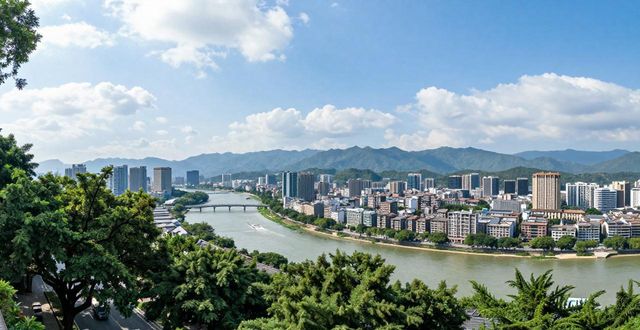
Fuzhou, the capital of Fujian Province, is often overlooked by travelers rushing to Xiamen or Shanghai, but this city offers a deep dive into authentic Chinese culture, history, and nature. From ancient forests growing right in the city center to hot springs and thousand-year-old temples, Fuzhou gives you a slower, more genuine taste of life in southern China. This guide covers the key spots and practical tips for making the most of your visit.
What makes Fuzhou different from other Chinese cities

Fuzhou’s biggest draw is its balance between urban life and nature. Unlike many Chinese cities where parks feel artificial, Fuzhou has real mountains and rivers integrated into its layout. The banyan trees, which are the city’s symbol, line almost every street and create a unique green canopy. You can walk through a busy shopping district and suddenly find yourself under a massive ancient tree that has been standing for centuries.
The city is also famous for its hot springs, which are rare in an urban setting. Several public bathhouses and private spas allow you to soak in natural mineral water without leaving downtown. This is something travelers rarely expect but often end up loving. The springs are not touristy, and many locals visit them regularly, which gives you a chance to experience a local habit firsthand.
Another unique aspect is Fuzhou’s role as a port city with a long history of overseas trade. The architecture in the old districts shows influences from Southeast Asia and Europe, blended with traditional Fujianese style. Walking through the Shangxiahang area feels like stepping into a different era, with narrow alleys, old shop houses, and the smell of freshly brewed jasmine tea in the air.

Where to go and what not to miss on your first trip
Start with Three Lanes and Seven Alleys, which is the best preserved historic neighborhood in Fuzhou. This maze of ancient streets dates back to the Tang and Song dynasties and contains the former homes of famous scholars and officials. Spend at least half a day here, wandering into the smaller alleys where fewer tourists go. The museums inside some of the old houses are free and give good context about local history.
Next, head to Drum Mountain, which is a short bus ride from the city center. The climb takes about an hour if you are fit, or you can take the cable car. At the top, you will find Yongquan Temple, a working Buddhist monastery with monks chanting in the mornings. The view from the summit over the city and the Min River is worth the effort. Bring water and snacks because the food options on the mountain are limited and overpriced.
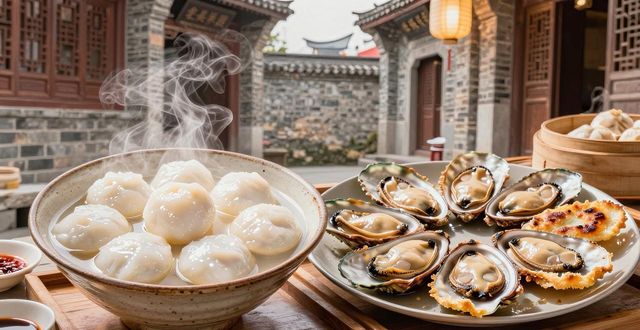
Do not leave Fuzhou without trying the local food. The most famous dish is Fuzhou fish balls, which are chewy and filled with pork. You can find them at street stalls for a few yuan. Also try oyster omelets, which are crispy on the outside and soft inside, and the local noodle soup called Yi Mian. The food here is less spicy than in Sichuan but has more seafood influence than northern Chinese cuisine. For dessert, grab a bowl of sweet peanut soup from a traditional dessert shop.
If you have an extra day, take a bus to Pingtan Island, which is about two hours away. The island has stunning beaches with unusual rock formations and is known for its sea erosion landscape. It is much quieter than the beaches in Xiamen and gives you a chance to see a less developed side of Fujian’s coastline.