
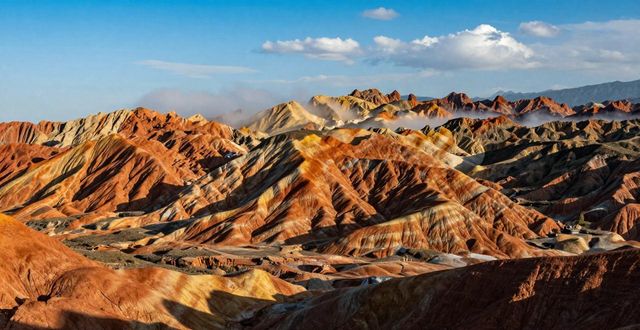
If you’ve never heard of the colorful mountains in Gansu, you’re missing out on one of China’s most surreal natural wonders. Located in the Zhangye National Geopark, these rainbow-hued rock formations stretch across the Hexi Corridor, drawing travelers who want something beyond the usual temples and terra cotta warriors. The colors come from layers of sedimentary rock deposited over 24 million years, later uplifted and eroded into sharp ridges and valleys. It’s not a painting—it’s real geology.

What makes the colorful mountains in Gansu so unique
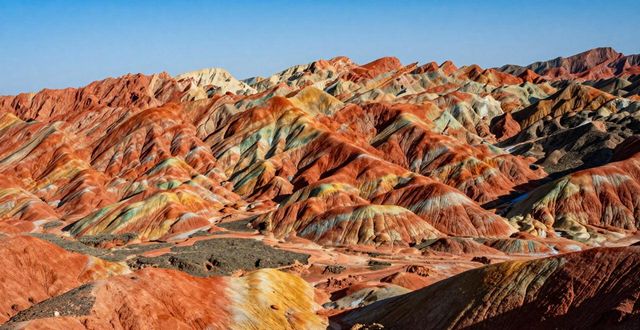
The most common question I get is why these mountains look like a painter’s palette. The answer lies in the mineral composition. Iron oxides create reds and oranges, while copper deposits give greens and blues. Different layers were laid down during distinct climatic periods—some dry, some wet—and each left its own signature color. When you stand at the viewing platforms, you’ll see bands of crimson,mustard, turquoise, and deep violet stacked like cake layers.
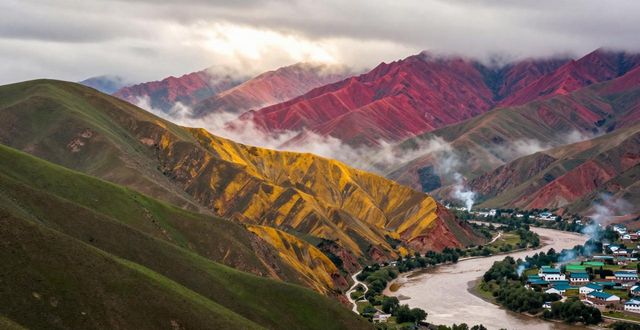
Another factor is erosion. Wind and water have carved the soft rock into jagged pinnacles and smooth curves, exposing the cross-sections. Unlike many famous mountains covered in trees, these slopes are mostly bare, which lets the colors shine without being hidden by vegetation. The best time to see them is right after rain, when the minerals are damp and the hues turn vivid. Morning or late afternoon light also helps—the sun hits the ridges at an angle, making the stripes pop.