

Yunnan is not just a place on the map. It is a living museum of cultures, languages, and traditions that have survived for centuries. When I first set foot in this southwestern province of China, I realized that heritage here is not locked behind glass. It is woven into daily life, from the morning tea served by a Bai grandmother to the silver jewelry hammered by a Miao craftsman. Yunnan cultural heritage travel is about experiencing these moments firsthand.
What makes Yunnan’s cultural heritage so unique

Yunnan is home to 25 ethnic minority groups, each with its own language, clothing, festivals, and architecture. This diversity is not just a statistic. It is the soul of the region. In Lijiang, the ancient town is not only about stone bridges and canals. It is where the Naxi people still write in Dongba script, one of the few pictographic writing systems still in use today. In Dali, the Bai people maintain their three-course tea ceremony, a ritual that balances bitter, sweet, and aftertaste flavors to symbolize life itself.
Walking through these places, you will notice that traditions are not performed for tourists. They are lived. A farmer plowing his field might wear traditional indigo-dyed clothing. A village elder might chant a song passed down through generations. This authenticity is what makes Yunnan cultural heritage travel so different from visiting a museum. You are stepping into a culture that breathes.
How to experience Yunnan heritage without being a tourist
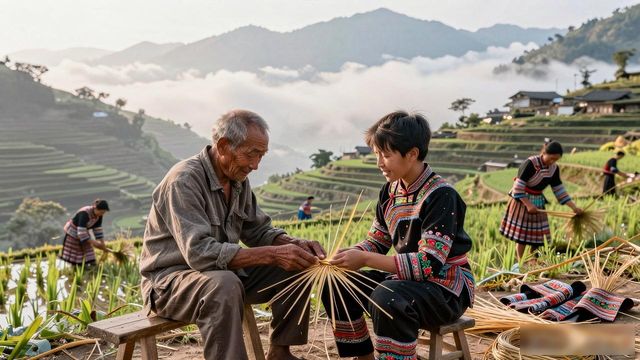
Many travelers rush to the famous spots like Jade Dragon Snow Mountain or the Stone Forest. But real heritage travel requires slowing down. Spend a night in a Hani village near Yuanyang. Wake up before dawn and watch the rice terraces catch the first light. The Hani people have cultivated these slopes for over a thousand years, and their irrigation system is recognized by UNESCO. No guidebook can replace sitting with a local family and sharing a meal of purple rice and pickled vegetables.
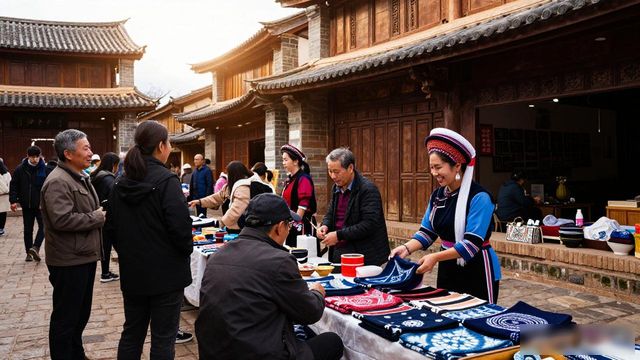
Another way is to attend a market day in a small town. Shaxi Market,held every Friday, is one of the best examples. Here, Bai, Yi, and Lisu people come to trade goods, catch up with neighbors, and show off their handwoven fabrics. You can buy a piece of batik cloth directly from the woman who dyed it. You can taste wild mushrooms and honey that were collected that morning. These moments are not staged. They are the real rhythm of life in Yunnan.
Yunnan cultural heritage travel is not about checking off destinations. It is about connecting with people who have kept their traditions alive against the tide of modernization. The experience stays with you long after you leave.